Ultimate Guide
Greek Cooking Mistakes Everyone Makes (And How to Fix Them)

As a Greek girl who grew up in a Greek kitchen, I see the same greek cooking mistakes over and over again, online, at friends’ houses, even in restaurants sometimes. And listen, this isn’t me judging, this is me lovingly grabbing your hand and saying, we can do better. Greek food is simple, but that doesn’t mean you can freestyle it and hope for the best.
This is your cheat sheet to getting it right, the way my yiayia would approve, or at least not side-eye you across the table.
❤️ Why This Post Exists
I genuinely can’t scroll past another “Greek-inspired” dish without wanting to jump in and fix it. These are the little things that make a big difference, the details that turn good food into Greek food. And trust me, once you get them right, everything tastes better.

You’re Using Low-Quality Olive Oil
If there is one ingredient that defines Greek cooking, it is olive oil. And not just any olive oil, good, bold, extra virgin olive oil.
Using a mild or low-quality oil completely dulls dishes like horiatiki or ladera. In Greek cooking, olive oil is not just for cooking, it is for finishing, flavoring, and bringing everything together. It should taste peppery, slightly grassy, and rich.
If your olive oil tastes like nothing, your food will too.
Fix it: Use a robust extra virgin olive oil, especially for salads and finishing. This is where flavor lives. You can reference my guide here on how to select a quality olive oil.
You’re Overseasoning or Using the Wrong Herbs
Greek food is not about throwing every spice in your cabinet into one dish. The flavor profile is actually very focused. Oregano, thyme, dill, and mint are the core herbs. That is it. When people start adding cumin, paprika, or heavy spice blends to everything, the dish immediately loses its Greek identity.
A perfect example is tzatziki. If there is cumin or chili powder in it, something went very wrong.
Fix it: Keep it simple and intentional. Let oregano, dill, and mint do the heavy lifting. Greek food is about clarity, not complexity.

You’re Skipping the Acid Balance
This is the secret most people do not realize they are missing. Greek food depends on acid to feel complete. Lemon juice and vinegar are what bring brightness and balance to dishes that are rich in olive oil or hearty ingredients.
Think about avgolemono, that signature tang is what makes the soup unforgettable. Without acid, everything tastes heavy and flat.
Fix it: Always finish dishes with fresh lemon juice or a splash of vinegar. Taste, adjust, and watch the whole dish come alive.
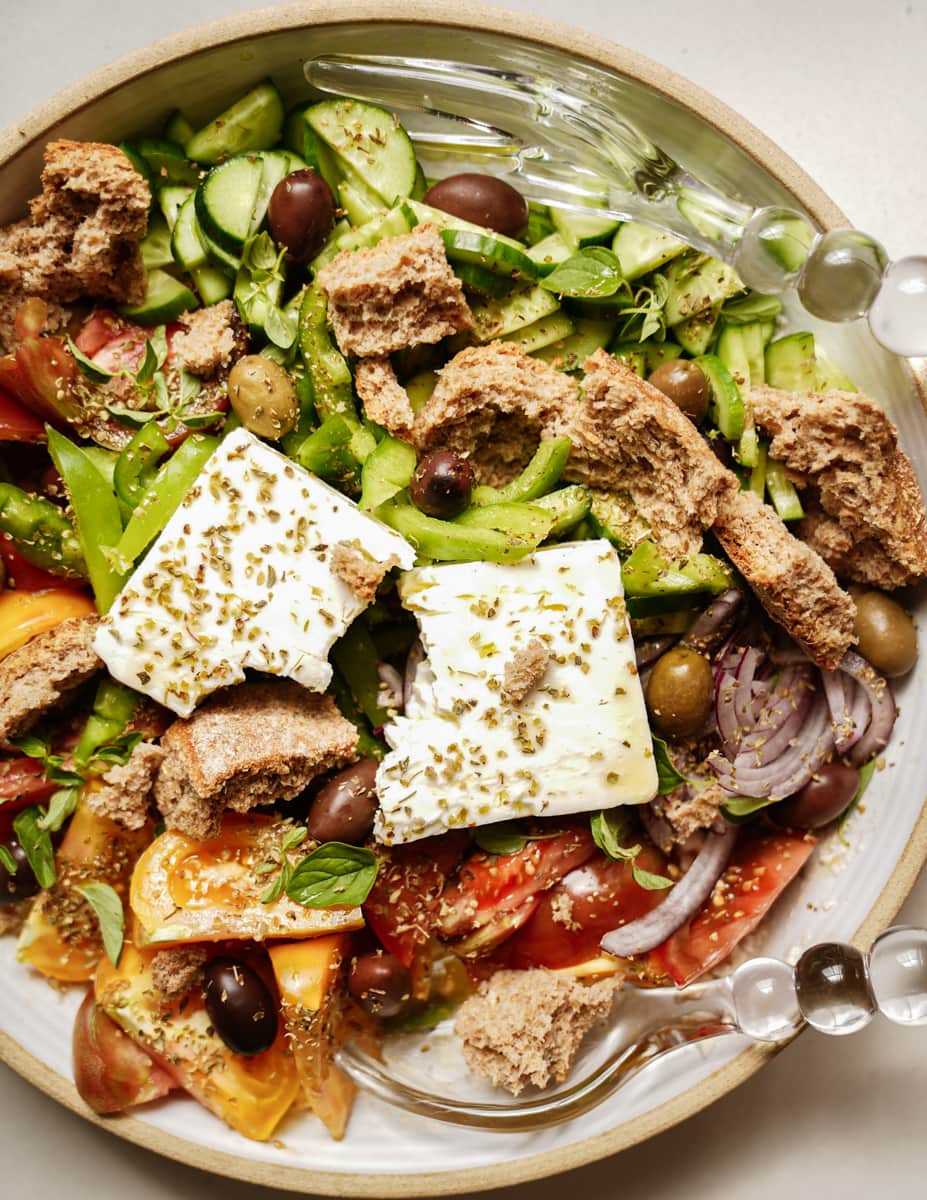
You’re Overcomplicating Greek Salad
We need to talk about what is happening to Greek salad on the internet. There is no lettuce in a traditional Greek salad. No creamy dressing. No extras. It is a simple, bold combination of tomatoes, cucumber, red onion, olives, feta, oregano, and olive oil.
That is why it works. The ingredients are the star.
Fix it: Keep it simple and trust the ingredients. Follow my recipe for a simple, homemade Greek salad.
You’re Not Draining Your Yogurt Properly
Greek yogurt is supposed to be thick, creamy, and rich. If your yogurt is watery, your sauce will be watery too.
This is especially important for tzatziki. If the yogurt or the cucumber is holding extra moisture, the whole thing turns into a thin, sad sauce instead of a creamy, scoopable dip.
Fix it: Use thick Greek yogurt and strain it if needed. Also squeeze every bit of water out of your cucumber before mixing. This step makes all the difference.
You’re Overcooking Seafood
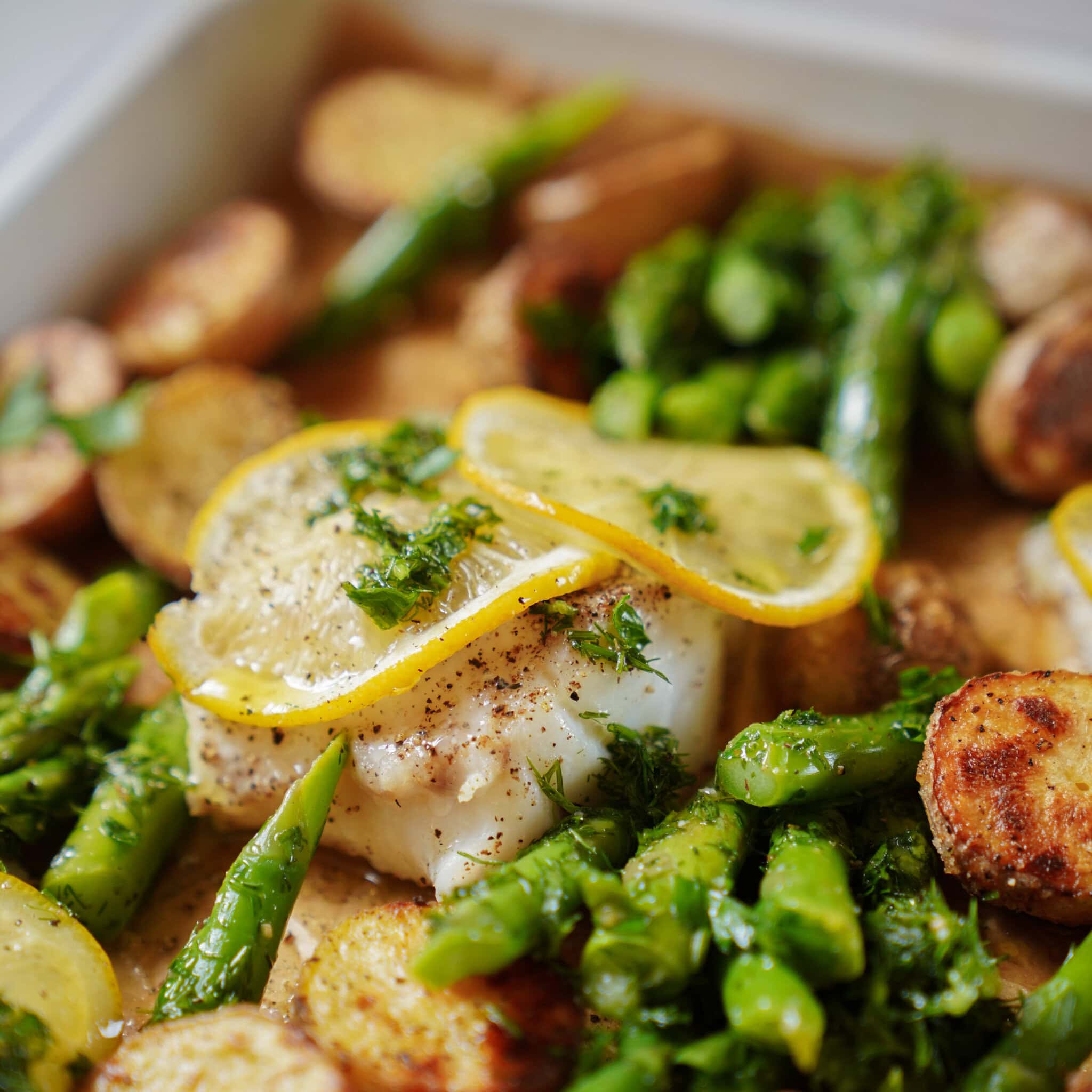
Greek seafood is beautifully simple, and that is exactly why it is easy to mess up.
Most dishes rely on grilling or light cooking with olive oil, lemon, and oregano. When seafood is overcooked, it becomes rubbery, dry, and loses that fresh, clean flavor.
Fix it: Cook seafood just until done, then pull it off the heat. Finish with olive oil and lemon, and let the simplicity shine. If you’re unsure, check your seafood doneness frequently to ensure you don’t overcook.
You’re Using the Wrong Cheese
Not every white cheese is feta, and this one matters more than people think.
Real feta is made from sheep’s milk or a sheep and goat blend, stored in brine, and has a creamy, tangy bite. Pre-crumbled feta-style cheese is dry, bland, and completely different in texture. That swap alone can change an entire dish.
Fix it: Buy feta in a block, in brine, and crumble it yourself right before serving.

You’re Rushing Slow Dishes
Greek cooking is patient cooking.
Dishes like moussaka or pastitsio need time, not just to cook, but to settle. If you rush them or cut into them too early, the layers fall apart and the flavors have not had time to come together.
These dishes are meant to rest, set, and develop.
Fix it: Give them time. Let them rest before slicing, and if you can, make them ahead. They are even better the next day.
You’re Overhandling Souvlaki Meat
More is not more when it comes to marinades.
Souvlaki is all about balance. Olive oil, lemon, garlic, and herbs. When you overload the marinade or let it sit too long, especially with lemon, the meat can break down and become mushy.
You want tender, not soft and falling apart in a weird way.
Fix it: Marinate for a few hours, not overnight, and keep it simple. Let the grill and the ingredients do their job.
You’re Forgetting the Simplicity Principle
This is the big one. Don’t overcomplicate it!
Greek food is ingredient-driven. It is about quality over quantity, flavor over fuss. If a recipe has a long ingredient list and complicated steps, it is probably drifting away from what makes Greek cooking special.
Fix it: Focus on fresh ingredients, simple techniques, and letting each component shine. You do not need to overthink it, you just need to respect it.
The Real Secret to Greek Cooking
It really comes down to this, simplicity, quality ingredients, and balance. Good olive oil, fresh lemon, the right herbs, and a little patience will take you further than any complicated recipe ever could.
If you are ready to cook Greek food the way it is meant to be, start exploring here.
You’re Not Eating Seasonally
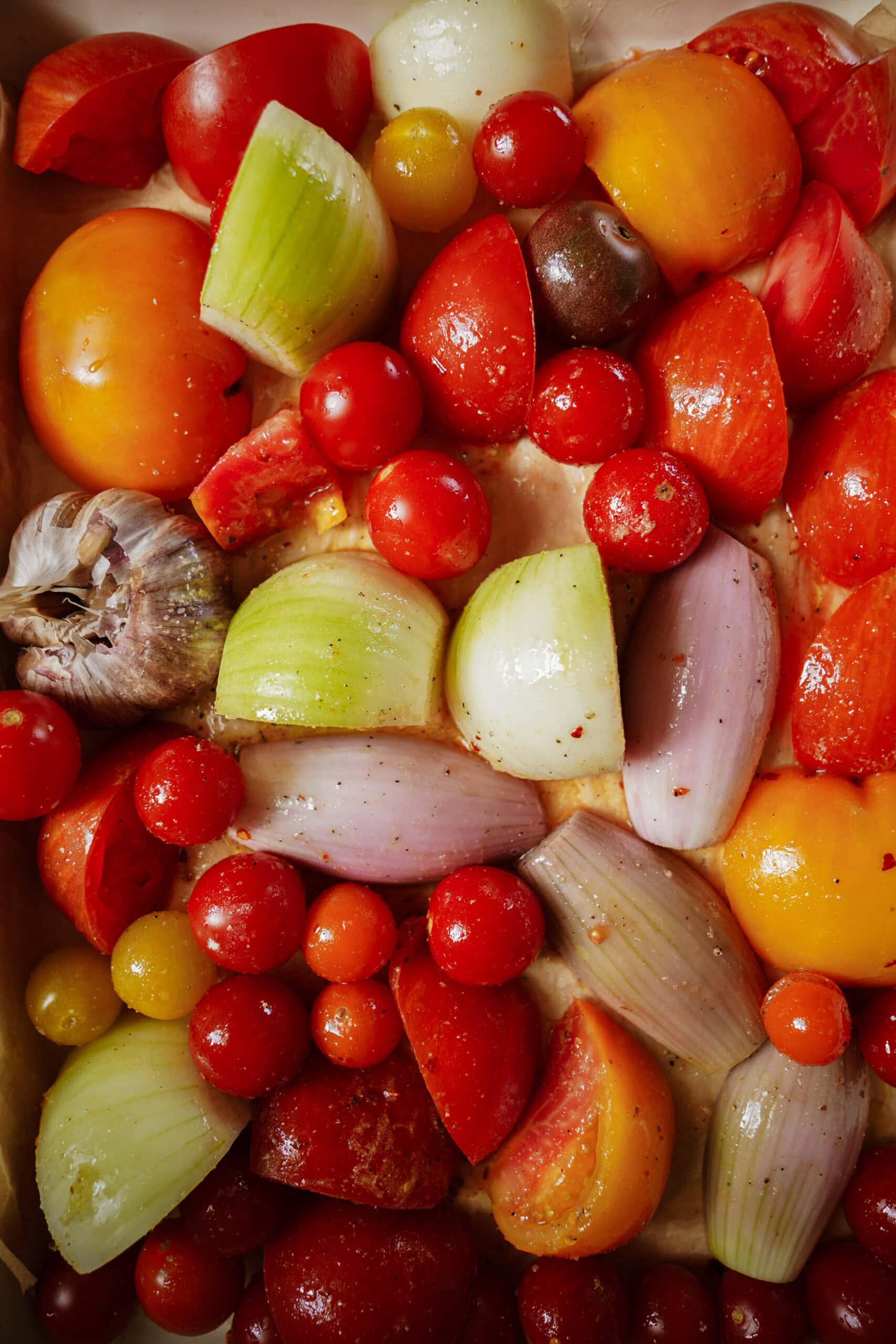
Greek food is built around what is in season. Juicy tomatoes in summer. Greens and citrus in winter. That is why everything tastes so good, it is not forced.
Go to your local farmers market, and pay attention to what’s in season. This is where you’ll get the freshest food with minimal effort.
Fix it: Cook with the seasons and your food will naturally taste better.
The Real Secret to Greek Cooking
Overall, Greek cooking is not complicated and for some reason, people are making it more complicated than it should be. It all focuses on good ingredients. Plenty of olive oil. Fresh lemon. A little patience. That is the whole thing.
If you want to cook Greek food the right way, you do not need to overthink it, you just need to respect it. And if you are ready to dive deeper, explore all my favorites here.