Articles
How We Celebrate Greek Easter: Traditions, Family, and All the Recipes You Need
If you walk into our Greek house (in Greece) on Easter, you’ll smell the lemon and oregano before you even take your shoes off. The lamb is roasting, the potatoes are soaking up all those garlicky juices, and someone (or everyone) is probably all yelling over one another. My mom claims not to be stressed, but absolutely seems stressed, and my yia-yia is giving instructions no one asked for. Laughter, chaos, and too much food! This is exactly how I remember Easter, growing up Greek. Easter was the holiday for us and is even bigger (and louder) than Christmas and Thanksgiving combined.
Now the big thing for us is the table we all sit around. It’s where we would gather after church, and where the fasting ends and the feasting begins. Not just for our family, but many!
Today I want to share with you a Greek Easter menu that will bring everyone to the table. Whether you’re Greek or looking for inspo on what to serve this Easter, I’ve got you!
What Makes Greek Easter Different?
Greek Orthodox Easter follows the Julian calendar, which means it often falls on a different date than Western Easter. In 2026, Western Easter is April 5. Greek Easter is Sunday, April 12 (exactly one week later). But the date is really only part of the story.
Holy Week is a big deal in Greek culture. It’s filled with church services, preparations, reflection, and Lenten fasting, where, for over 40 days leading up to Easter, many families avoid meat and dairy. Then the celebration (and feast) begins, and we can’t wait to dig into the juicy lamb and delicious sides that fill the table.
Greek Easter Traditions You Need to Know
Red Eggs + Tsougrisma
We dye eggs bright red to symbolise the blood of Christ. On Easter Sunday, everyone grabs an egg and starts cracking. You tap yours against someone else’s, and the last egg standing wins. It’s competitive. and dramatic, and you won’t leave the table without some accusations of cheating (at least not in my family).
Midnight Church Service
Saturday night, right before midnight, churches glow with candlelight. At midnight, we say “Christos Anesti” (Christ has risen) and the candles light up the dark. This also means you can go home to feast!
Breaking the Fast
Traditionally, families eat Magiritsa (a lamb-based soup) after midnight to gently break the fast. It’s symbolic, comforting, and the official start of feasting season.
Sunday Lamb Roast
Easter Sunday is the main event. The whole family gathers. The table is overflowing. And lamb is non-negotiable in most Greek homes.

My Greek Easter Menu (The Full Spread)
A Greek Easter table isn’t minimal. It’s abundant. You’ll see mezze to start, lamb as the star, fresh bright salads, crispy potatoes, warm pita, and desserts to finish.
It always looks like too much food (and it usually is), but so much can be prepped ahead of time. I’ll give you a full game plan so you don’t feel like you’re scrambling.
The Star of the Show: Greek Roasted Leg of Lamb with Lemon Potatoes
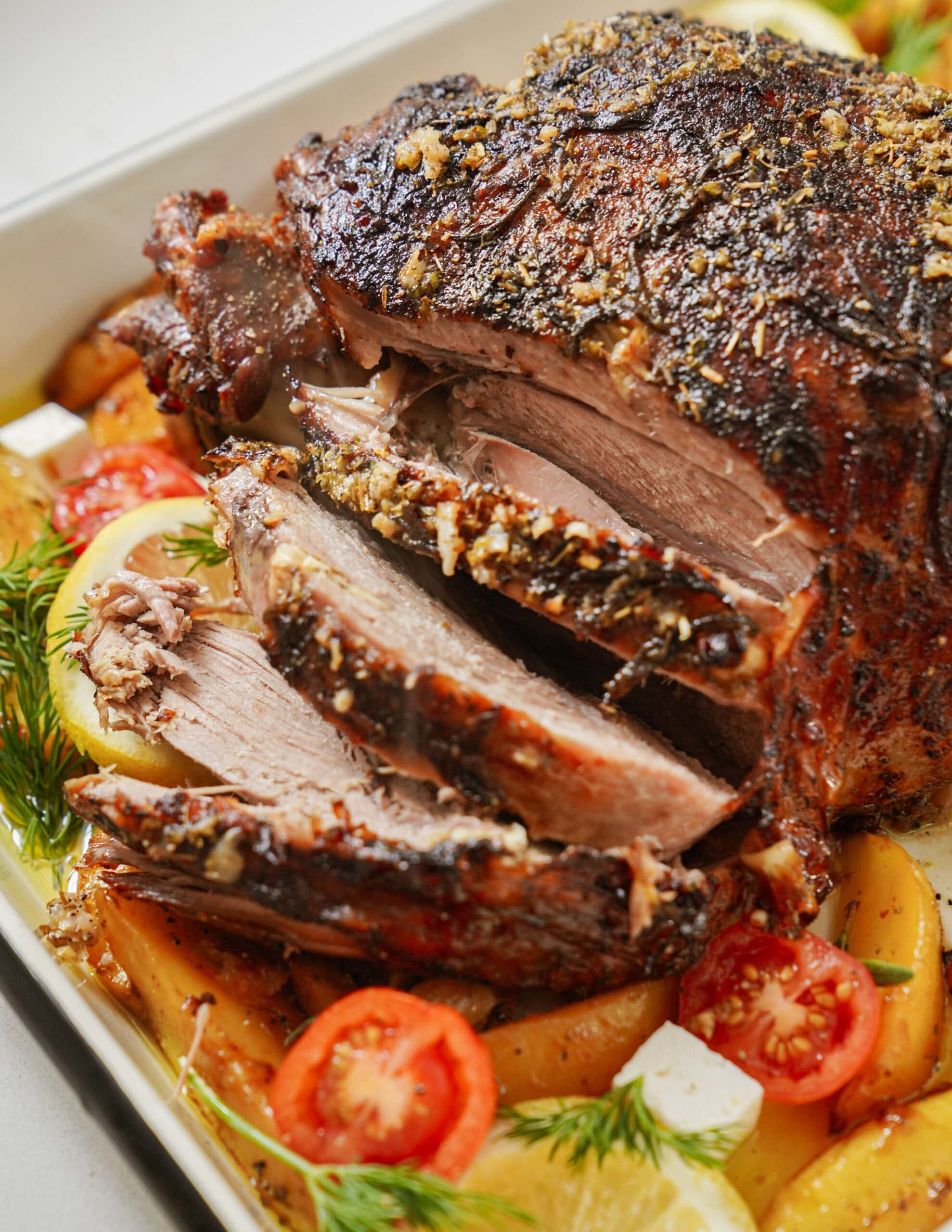
In our house, it’s not Easter without this on the table. My Greek Roasted Leg of Lamb with Lemon Potatoes is everything you want it to be — juicy, tender, loaded with garlic, lemon, oregano, and olive oil.
The best part? It’s only about 15 minutes of prep. After that, the oven does the work. Low and slow. The lamb becomes fall-apart tender, and the potatoes soak up all those lemony, herby juices at the bottom of the pan.
Want some other options to consider for your main? I’ve got you with these other delicious (and easy) lamb recipes:
- Try Greek-Style Braised Lamb Shanks for something a little elevated and dinner-party worthy.
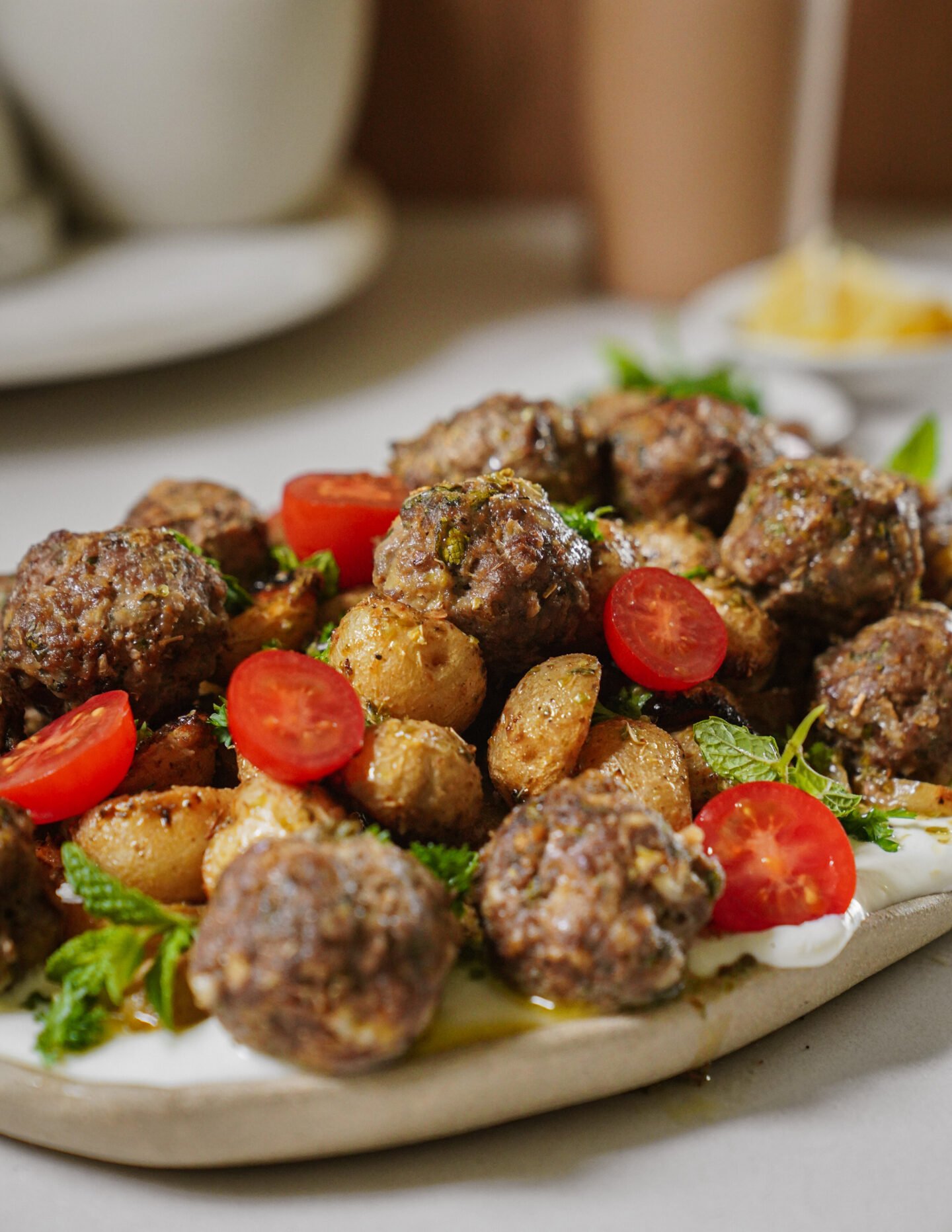
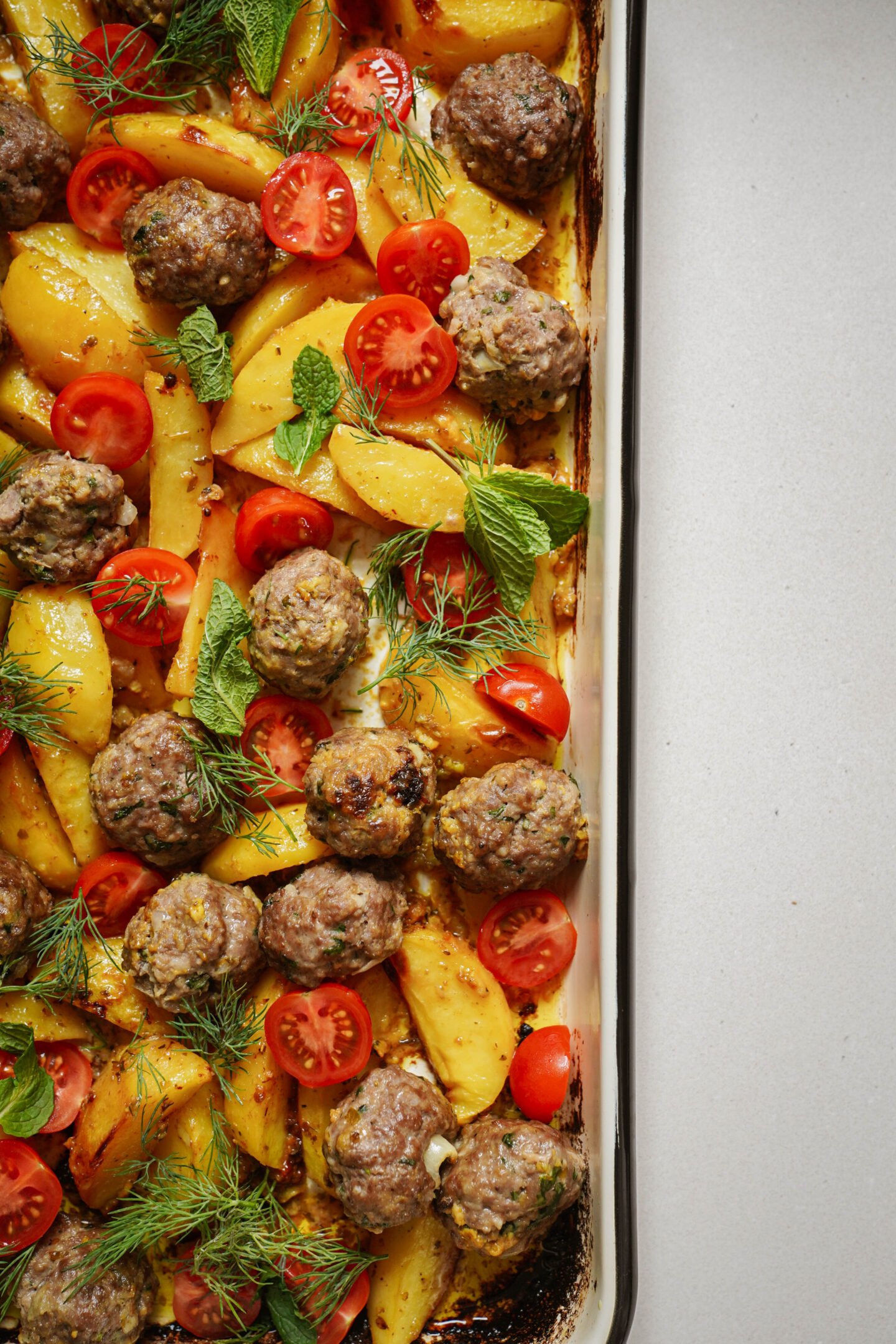
- Need something more family-friendly? Sheet Pan Baked Greek Meatballs and Lemon Potatoes.
- Go classic with Greek Meatballs (Keftedes). Easy. Crowd-pleasing. Gone in seconds.
The Mezze Spread (Appetizers and Dips)
Every Greek gathering starts here. Before the lamb is sliced, before the salads are tossed, everyone is hovering around the mezze table with a glass of wine. Mezze is essentially a bunch of smaller dishes or snacks, like appetizers, and honestly, is one of my fav parts of any Greek meal. Here are some recipes you can try:
- Spanakopita (Crispy Greek Spinach and Feta Pie) is the OG. Flaky phyllo layered with spinach, fresh herbs, and salty feta. Make it as a full pie or individual triangles for easy grabbing.
- Tzatziki Sauce – Cool, creamy, garlicky. It goes with literally everything on this table. Ten minutes and you’re done.
- Tiropita (Mini Cheese Pies)
- Skordalia (Greek Garlic and Potato Dip)
- Whipped Feta with Roasted Garlic, Red Pepper and Chili Olives
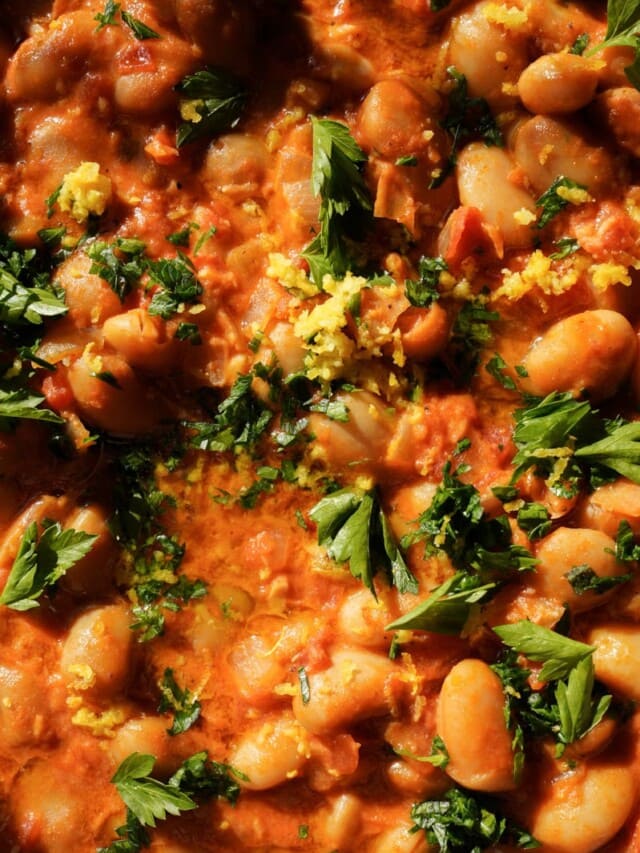
- Crispy Butter Beans with Spanakopita Whipped Feta
- Kolokithokeftedes (Zucchini Fritters)
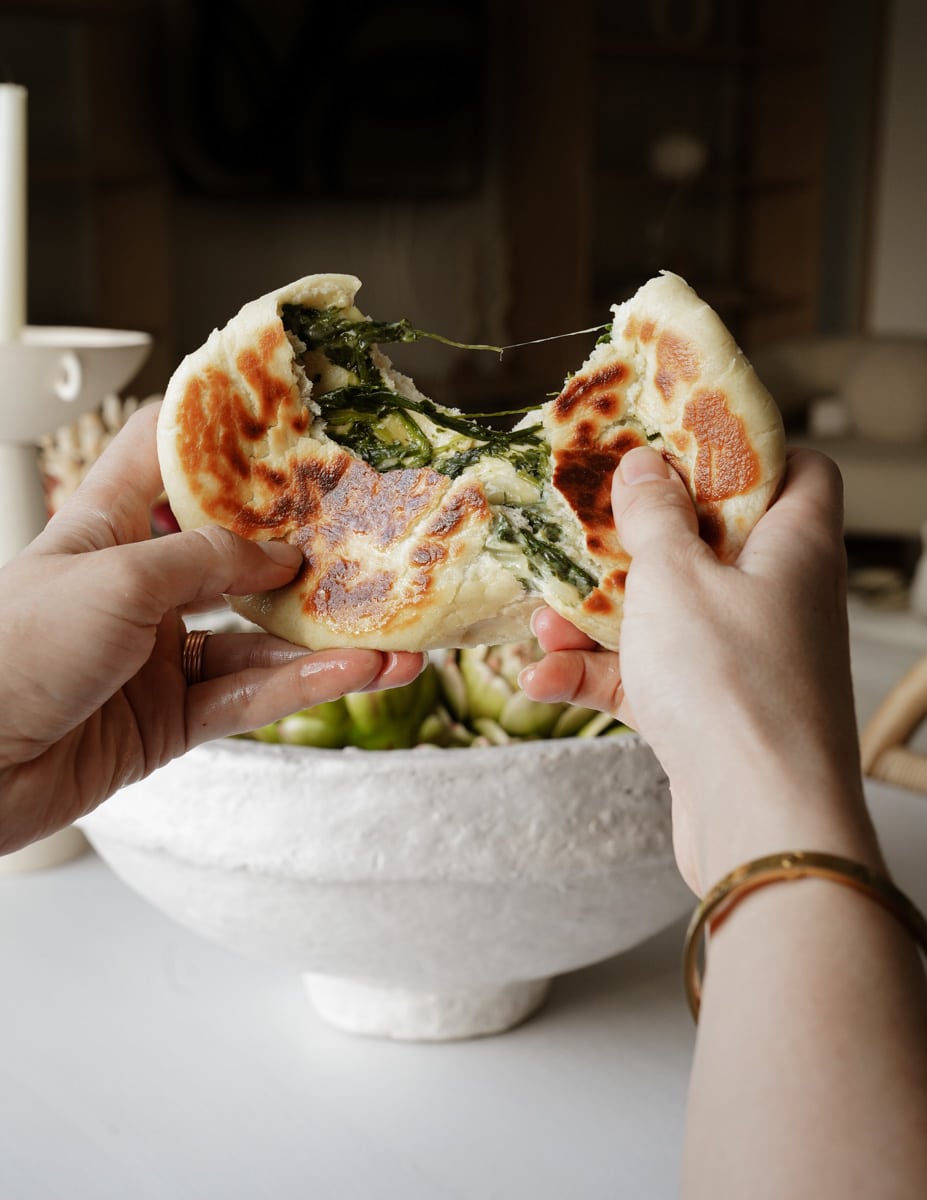
- Fluffy Greek Pita Bread (and yes, you can stuff it with spanakopita filling and be a hero)
Sides and Salads That Complete the Table
Greek Easter sides are simple and fresh. They’re not meant to compete with the lamb; they’re meant to balance it. Here are some easy sides to pair with your delicious superstar lamb:
- Maroulosalata (Mama’s Greek Lettuce Salad): Takes five minutes and ties the entire table together. Lemon, olive oil, and fresh dill. My mom makes it every single year.
- Greek Potatoes (if you’re not making a lamb dish that already includes them): These are crispy on the outside, soft and steamy on the inside, and so tasty!
- Greek Salad
- Greek Cabbage Salad: Perfect if you want something make-ahead friendly.
Sweet Endings: Greek Easter Desserts
Greek desserts are honey-soaked, nutty, citrusy perfection. Obviously, a star on their own, so make sure you leave enough room in your belly for some. The showstopper? Baklava Cake. This cake has all the flavors of classic baklava (walnuts, warm spices, honey syrup), and it’s layered into a beautiful cake. If you want the more traditional thing, you can make my regular Baklava recipe.
For something creamy and crisp, try Bougatsa, which is a Greek custard pie, or if you’re looking for something more springy and lighter, my Healthy Carrot Cake is always a hit.

Your Greek Easter Game Plan (Make-Ahead Tips and Timeline)
Hosting during the holiday season can be stressful, but I promise that with a few organizational tips, you can make it significantly less stressful.
What to Prep Days Ahead
- Bake your baklava: it stores beautifully at room temperature for up to 3 days. The other desserts mentioned above will also hold out well if made ahead.
- Make your spanakopita filling and freeze it. Assemble with phyllo the day you bake.
- Prepare tzatziki (it keeps in the fridge for up to a week).
- Make skordalia and whipped feta dips up to 3 days in advance.
- Dye the red eggs earlier in the week (it’s a fun activity with kids).
- Marinate the lamb up to 24 hours ahead.
What to Prep the Morning Of
- Prep the leg of lamb (15 minutes) and get it into the oven.
- Assemble the Greek potatoes.
- Chop your salad ingredients.
Last Minute (Right Before Guests Arrive)
- Toss and dress the salads.
- Warm the pita.
- Set out the mezze spread.
- Slice the lamb and plate everything beautifully.
Greek Easter Shopping List
Pantry Staples:
- phyllo dough
- quality extra virgin olive oil
- feta in brine (block, made in Greece)
- fresh herbs (dill, mint, oregano, parsley)
- lemons (lots)
- garlic
- Greek yogurt (plain)
- honey
- walnuts
Protein:
- bone-in or boneless leg of lamb, lamb shanks, or ground beef/lamb for meatballs
Nice-to-haves:
- red egg dye kit
- Greek coffee
- a bottle of something special to pour
Plant-Based Greek Easter Options
Not everyone at the table eats meat, and that’s okay. Greek cuisine is full of incredible plant-based dishes. Here are some easy swaps or additions you can add to your menu to help accommodate:
- Vegan Avgolemono (Greek Lemon Rice Soup) is creamy, comforting, and one-pot magic.
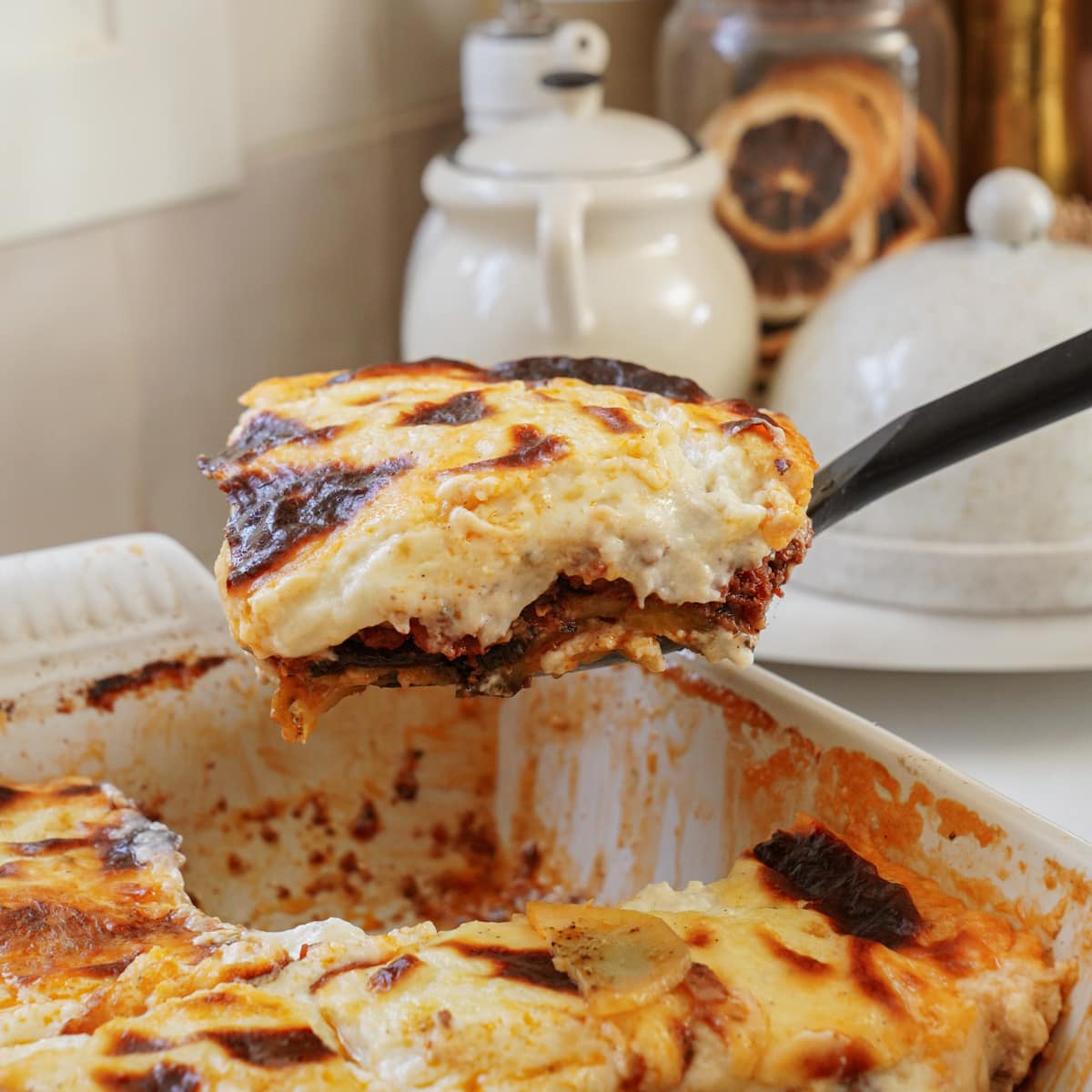
- Vegan Greek Moussaka is hearty, layered, and absolutely satisfying.
And honestly? Many mezze dishes are naturally vegetarian (salads, potatoes, dips), so everyone can fill their plate.
Greek Easter FAQs
Greek Orthodox Easter is on Sunday, April 12, 2026. Western Easter falls on April 5, one week earlier.
Greek Orthodox Easter follows the Julian calendar instead of the Gregorian calendar, so the dates often differ. Traditions like red-dyed eggs, lamb as the main course, and the midnight “Christos Anesti” celebration are also distinct.
Lamb is the star (usually roasted leg of lamb), served with Greek potatoes, fresh salads, mezze like spanakopita and tzatziki, and desserts like baklava.
It’s the Greek Easter egg-cracking game. Everyone picks a red egg and cracks it against someone else’s. The last uncracked egg wins. It’s serious business.
Yes. Most dips, spanakopita filling, baklava, and even the lamb marinade can be prepared days ahead. Follow the game plan above, and you’ll be calm, organized, and ready to enjoy the day.