Ultimate Guide
Your Complete Guide to Greek Easter: From Lent to the Feast (With Every Recipe You Need)
The house smells like citrus and warm bread before you even open the door. Someone’s laughing loudly in the kitchen, there’s a pot clanging on the stove, and you know at least one aunt is sneaking a taste of something that’s “not ready yet.”
If you’re here for the food, the traditions, or just because you’re curious about why your Greek friend disappears for a week every spring, you’re in the right place.
For us Greeks, Easter falls on April 12th this year, and trust me when I say, it’s not just a day, it’s a whole culinary experience.
What Is Greek Easter? (And Why It’s Different)
Greek Easter follows the Julian calendar, which is why it often lands on a different date than Western Easter. It also always comes after Passover.
But honestly? The date isn’t what matters most. For Greeks, this is the holiday. Bigger than Christmas. Louder, longer, and way more delicious.
Growing up, Christmas was nice, but Easter was everything.
The 40 Days Before: How Greeks Fast for Lent (And What We Actually Eat)
“Sarakosti” is the 40-day fasting period leading up to Easter. Traditionally, that means:
- No meat
- No dairy
- No eggs
- Limited fish
But here’s the real talk: not everyone fasts the full 40 days. My family always focused on the last week. No judgment either way. And whether you’re observing Lent, eating more plant-based, or just want incredible meatless meals… this is where Greek food shines.
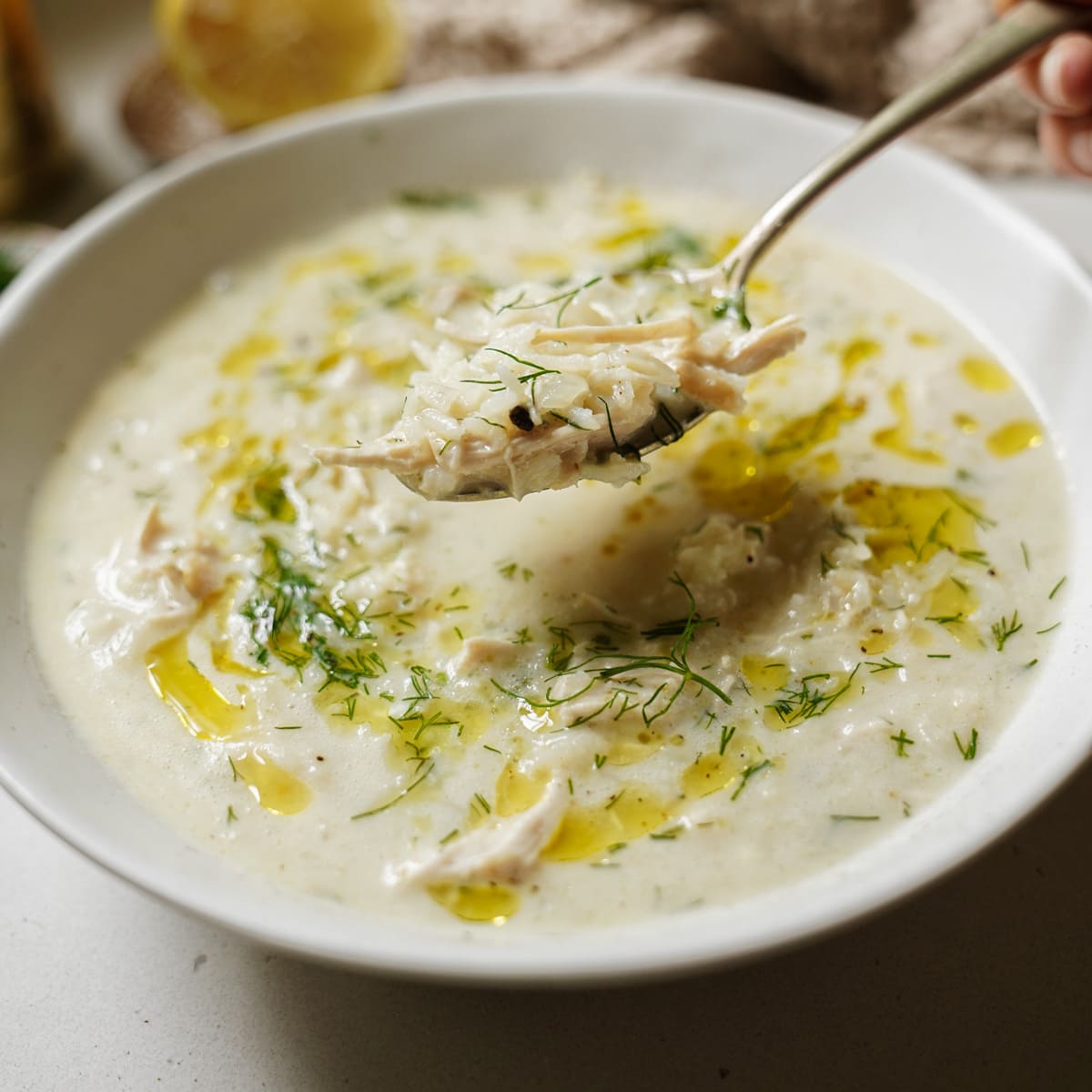
Lenten Soups and Mains
- Vegan Avgolemono – creamy, lemony comfort in a bowl
- Vegan Moussaka – all the layers, none of the meat
- Vegan Greek Meatballs – herby, hearty, perfect with pita
- One-Pot Greek Vegetarian Pasta – weeknight-friendly and flavor-packed
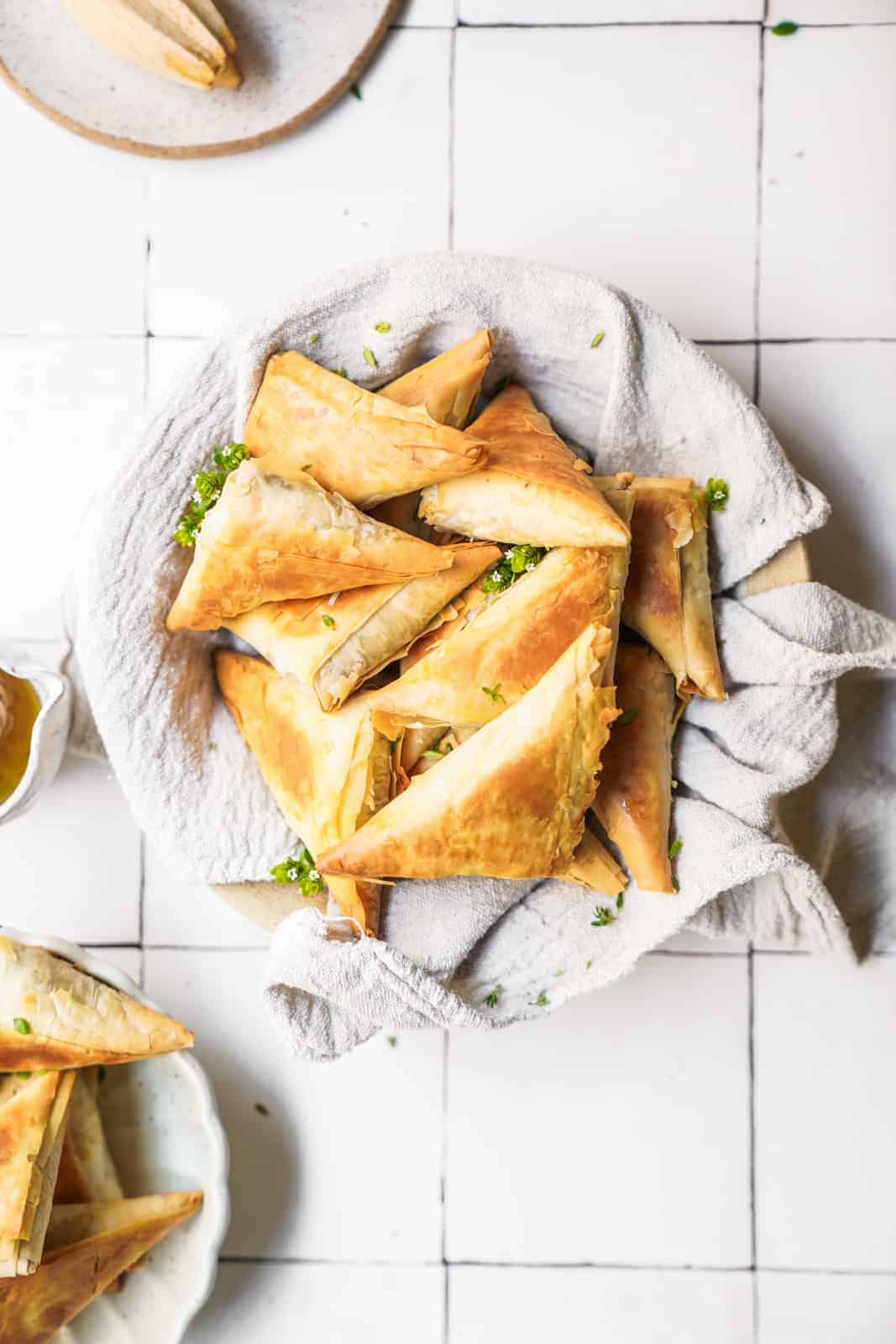
Lenten Dips, Sides, and Snacks
- Vegan Spanakopita – flaky, crispy, and just as satisfying
- Fava Bean Hummus – smooth and bright
- Skordalia – garlicky, bold, naturally vegan
- Fakes (Greek Lentil Soup) – simple, traditional, perfect
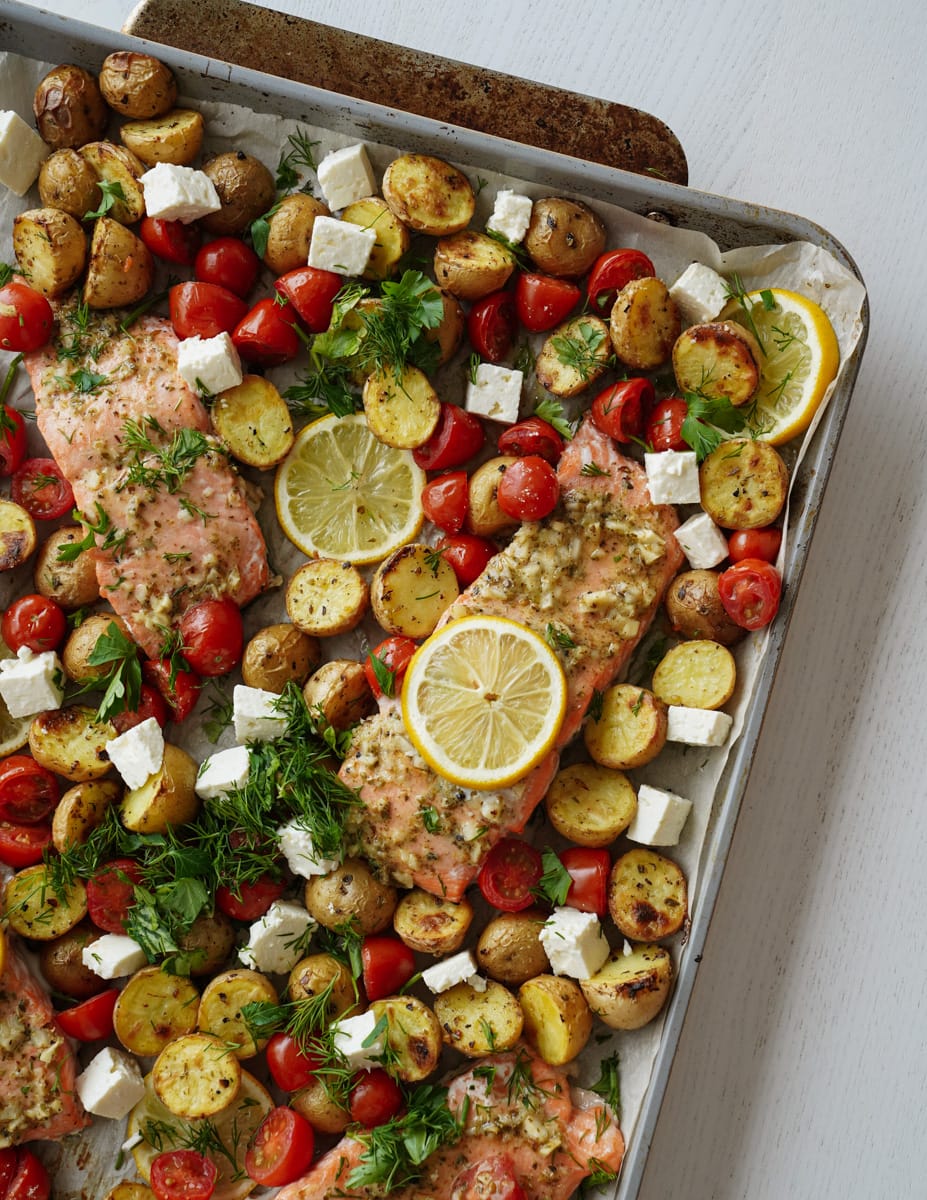
Seafood Days
On certain days—like Palm Sunday—fish is back on the menu.
- Sheet Pan Salmon with lemon and herbs
- Or simple grilled fish and seafood dishes
Holy Week: When the Kitchen Takes Over
By Wednesday, the whole house smells like butter, orange zest, and mastic. The tsoureki is happening, which is a traditional Greek sweet, braided holiday bread, most commonly enjoyed at Easter.
Holy Thursday: Dying the Red Eggs
The eggs are dyed red to symbolise the blood of Christ and the resurrection. My job growing up? Stirring the dye pot. I ruined at least one shirt every year.
On Easter Sunday, Greeks play a game called tsougrisma (clinking/tapping), where we tap the eggs together. The goal is to crack the opponent’s egg while keeping your own intact, symbolising the conquering of the tomb.
Good Friday: The Most Solemn Day
Jasmine and incense in the evening air. The church bells. The quiet.
This is the most reflective day of the week, and dinner is simple, like my Fakes (Greek Lentil Soup) with vinegar.
Holy Saturday Night: Midnight and Magiritsa
By the time Saturday night rolls around, everyone is a little tired, a little hungry, and very ready. You get dressed, grab your candle, and head to church just before midnight. The lights go out, and one flame appears, known as the Holy Light, and slowly, person by person, candle by candle, the whole crowd begins to glow. Someone leans over to light yours. You pass it to the next person.
Then the real celebration begins. We go home, and we EAT!!!
Easter Sunday: The Greek Easter Feast (Your Complete Menu)
By 8AM the backyard smells like charcoal and lemon. Someone is already arguing about the lamb. There is more food than any table can hold. You know all of this well if you grew up in a Greek family.
Easter spreads include some (or all) of the following. There is always SO much food.
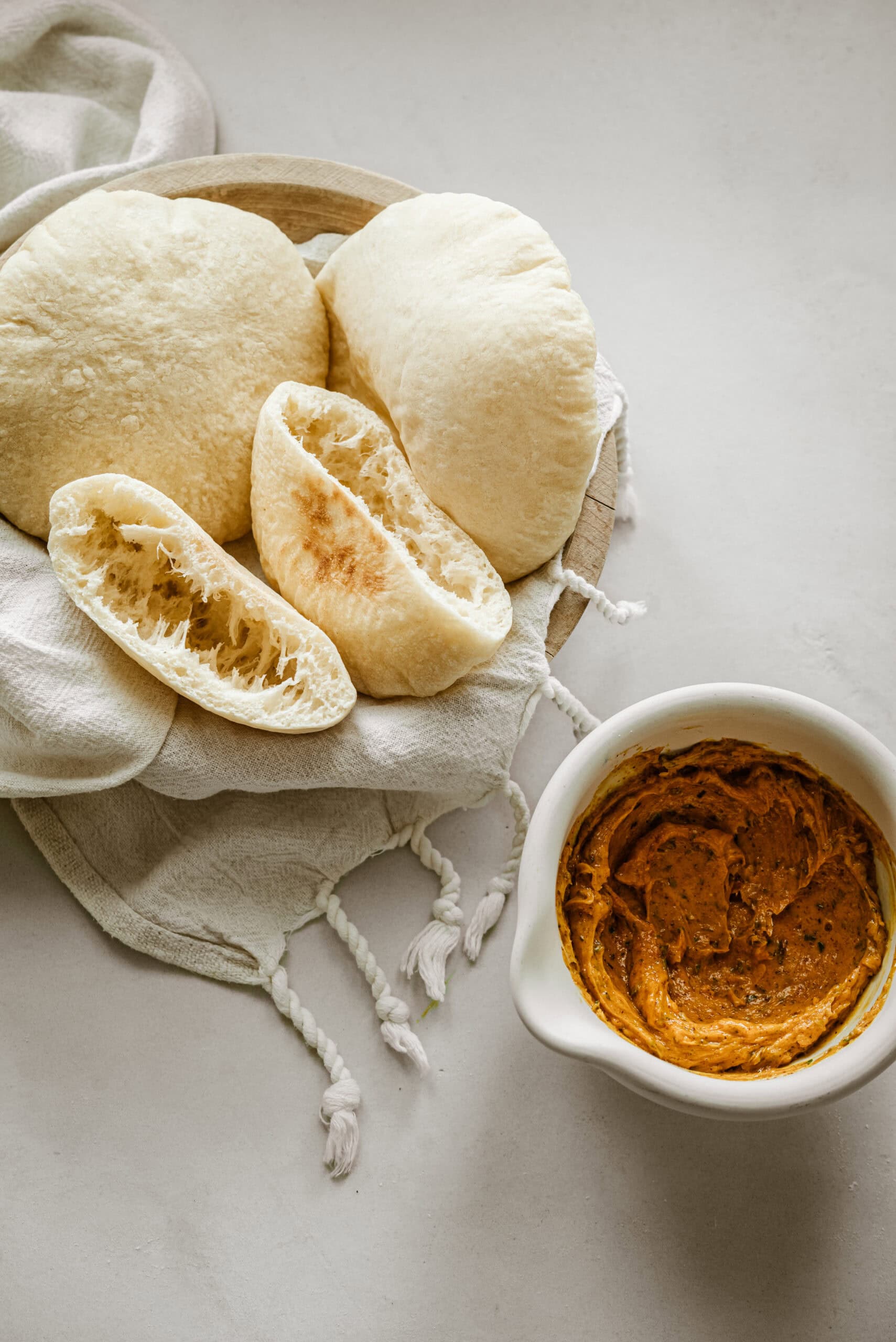
The Mezze Spread
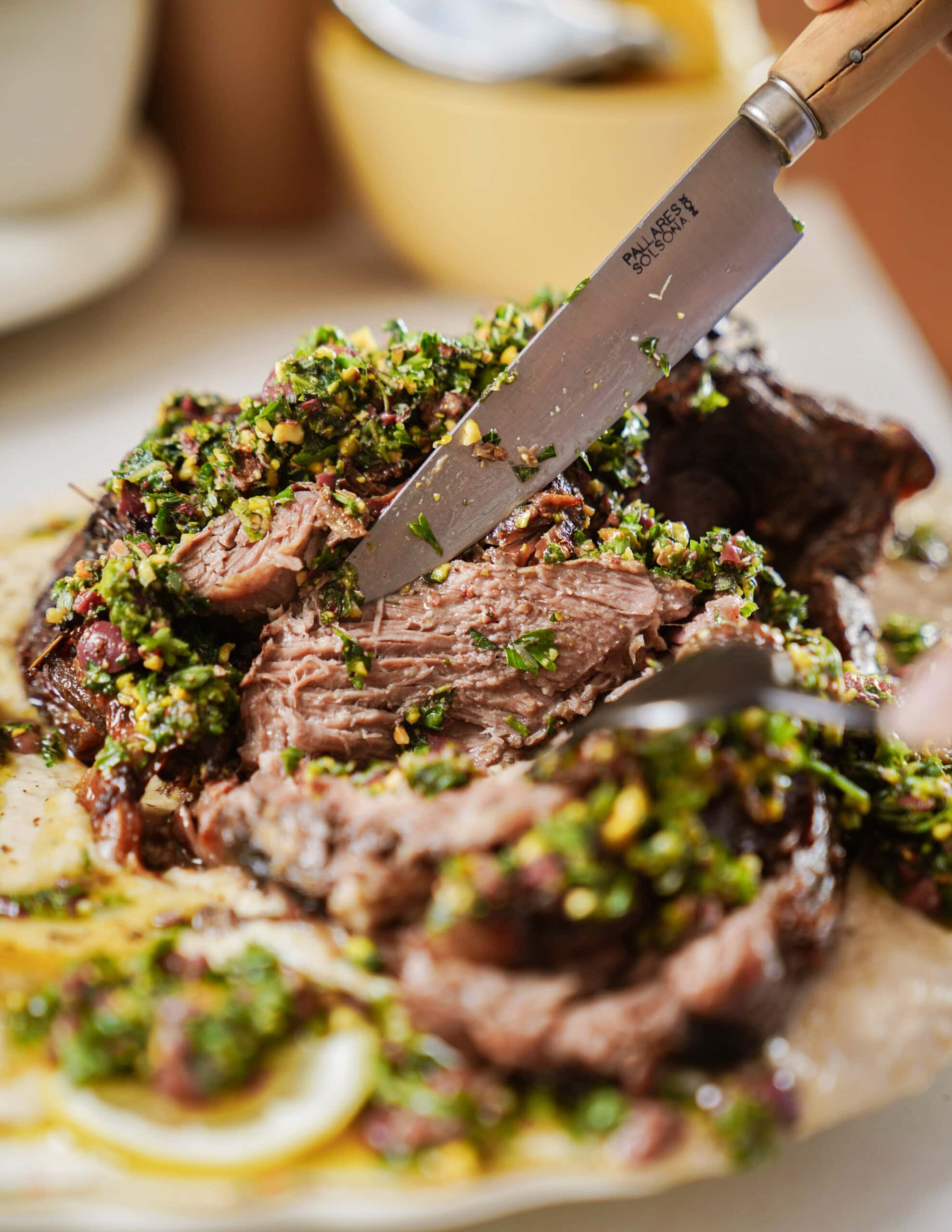
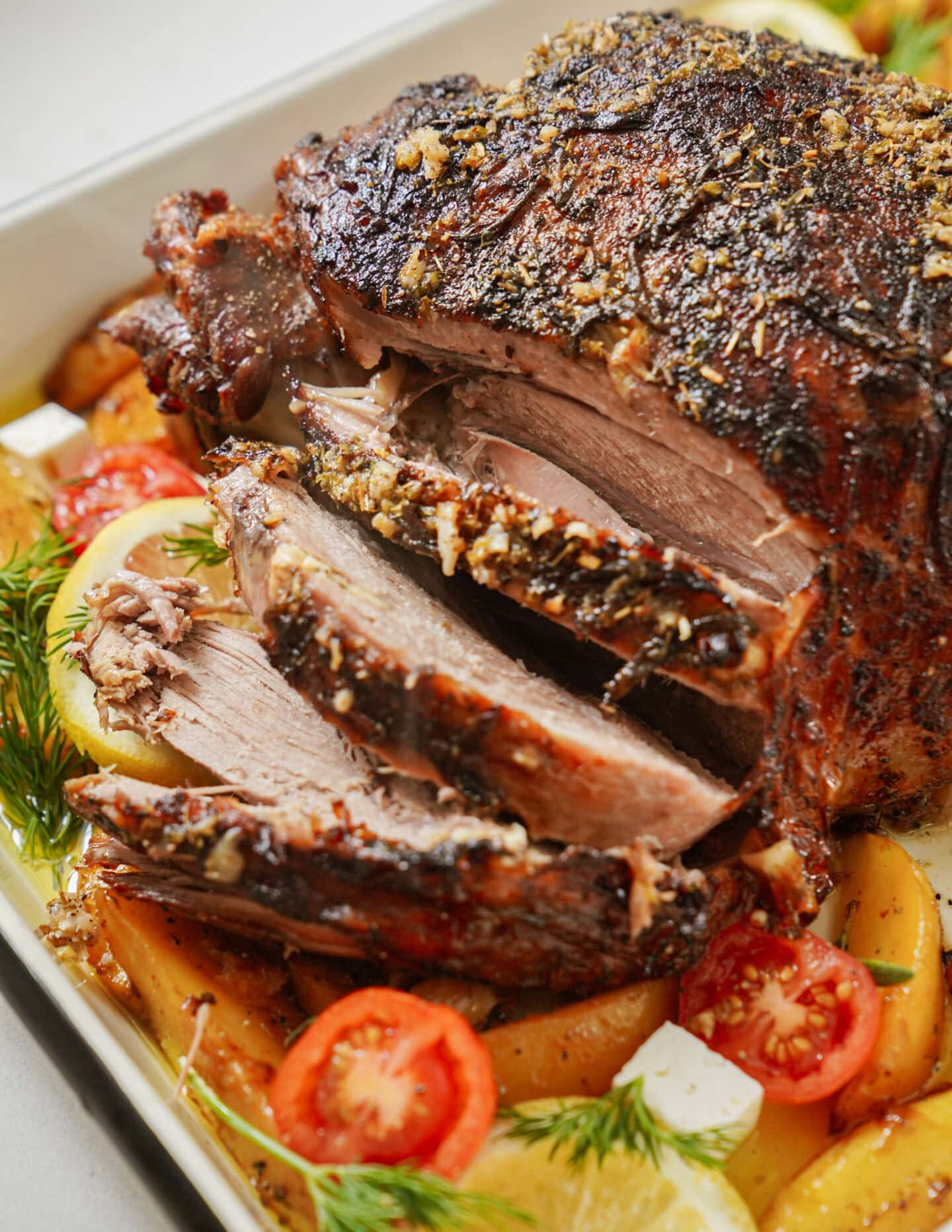
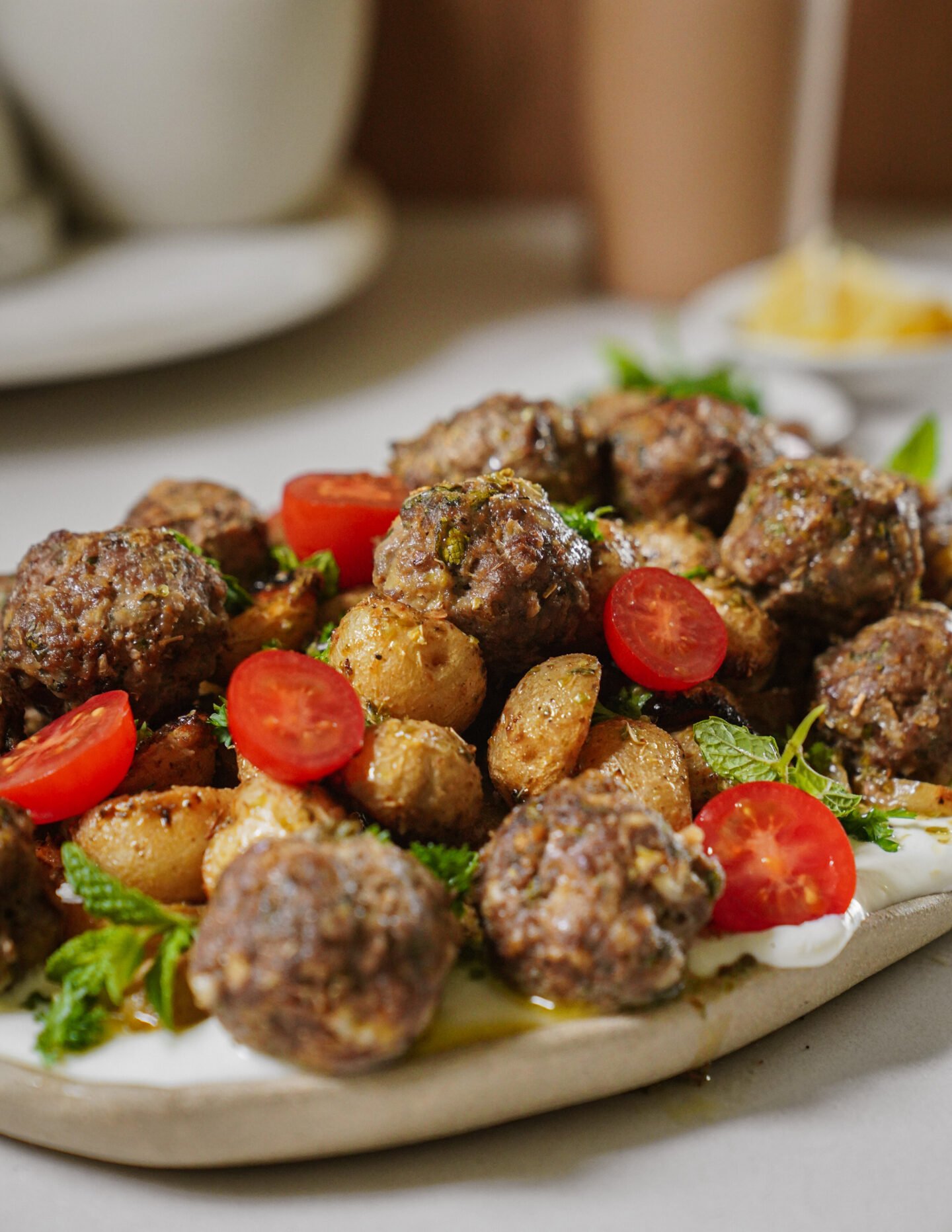
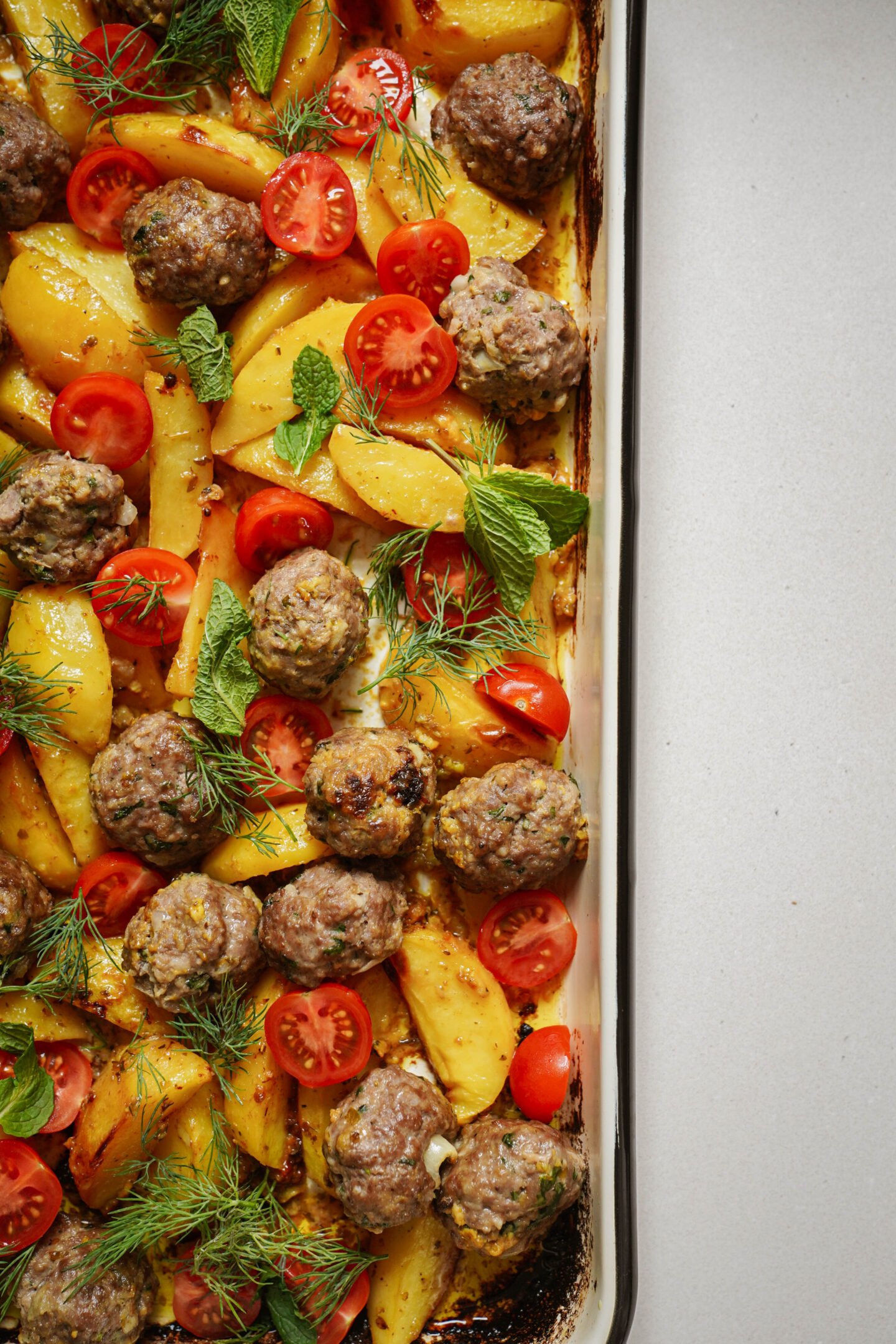
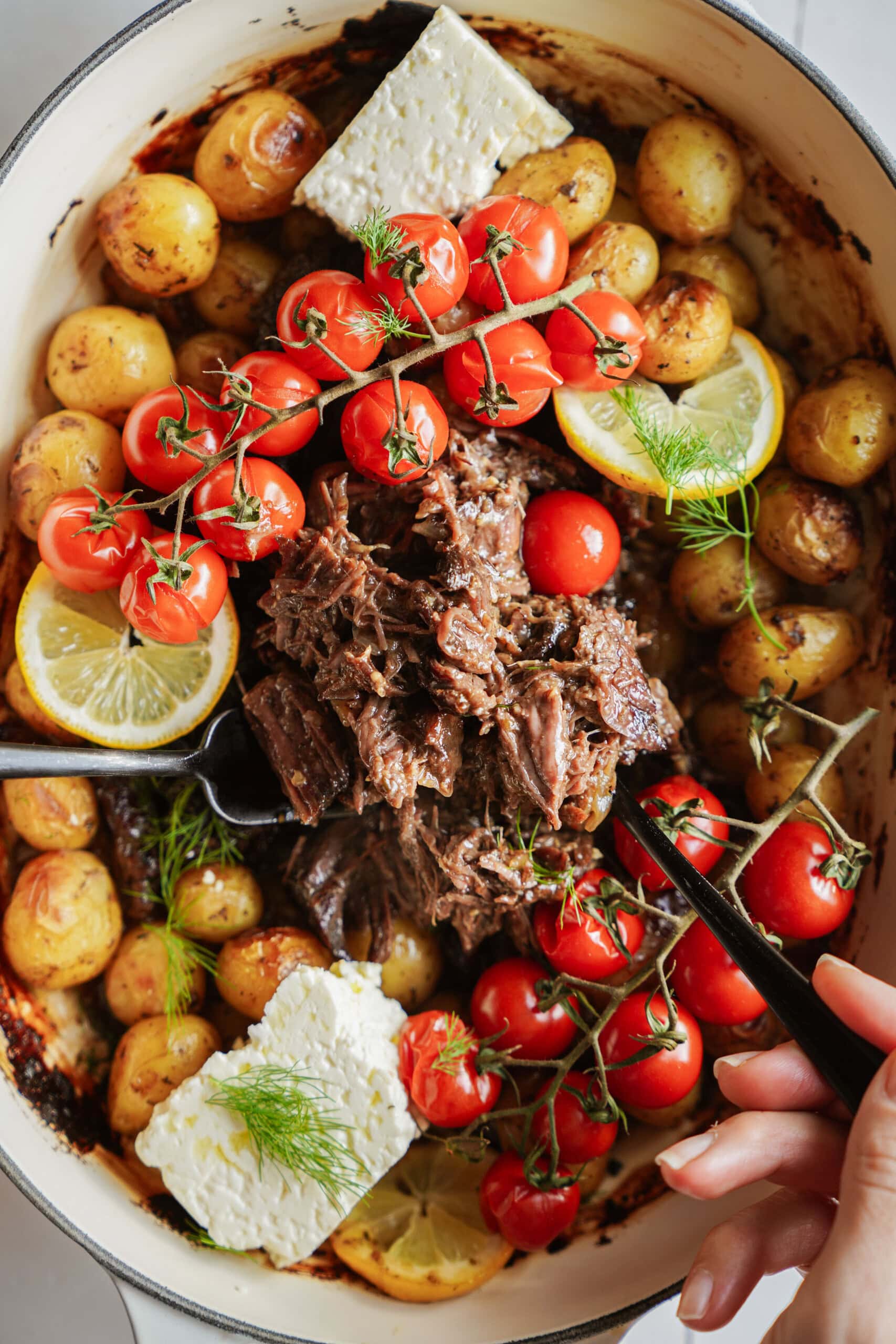
The Main Event: Lamb
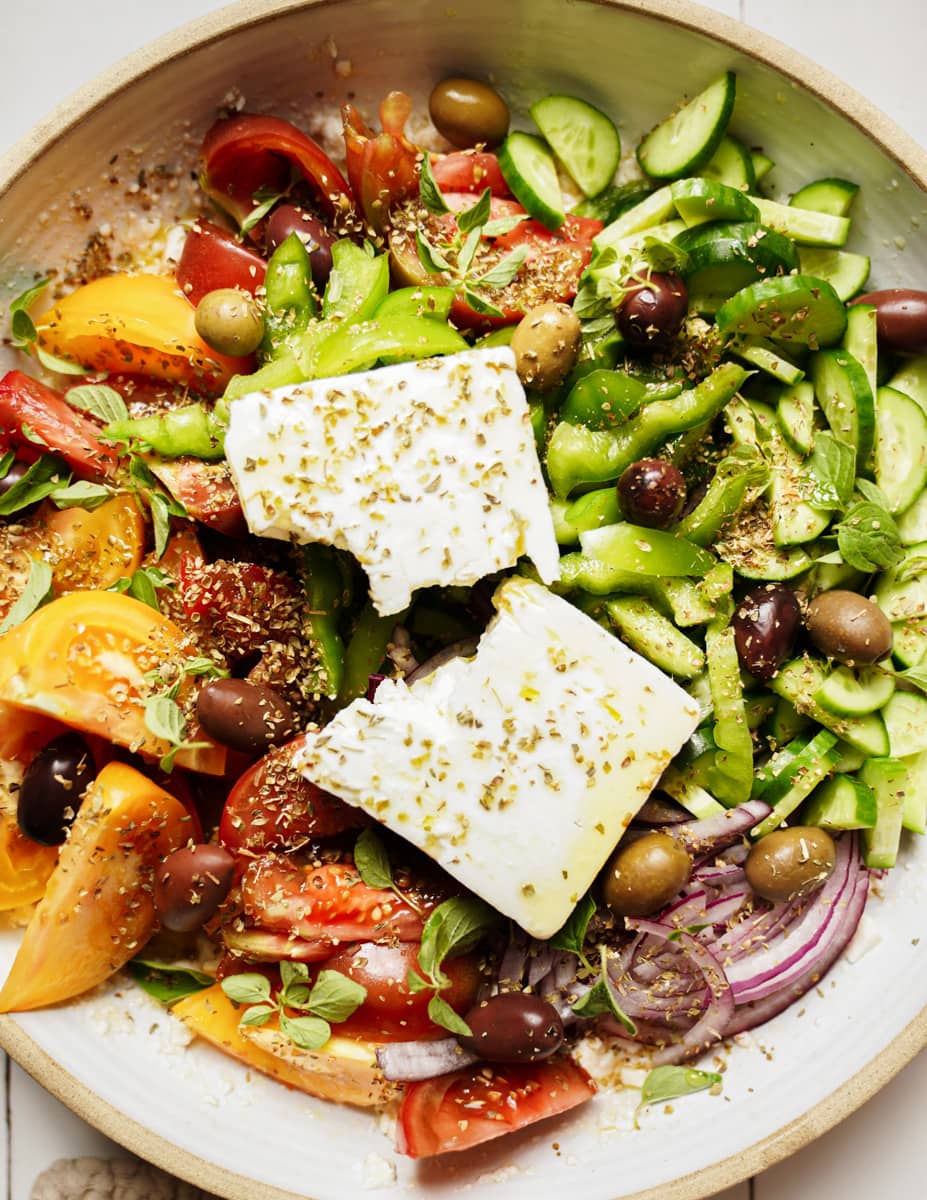
Sides That Complete the Table

Greek Easter Desserts
What to Do with All the Leftovers
The fridge looks like a Greek deli for the next three days. And honestly? That’s the best part.
- Turn tsoureki into French toast
- Use leftover lamb in wraps or bowls
- Or try a little leftover remix magic
FAQs About Greek Easter
When is Greek Easter 2026?
Greek Easter in 2026 falls on Sunday, April 12. The date changes every year because it’s calculated using the Julian calendar, not the Gregorian calendar used in Western Christianity. It also follows a specific rule: Greek Easter must come after Passover, which is why it’s often later than what many people think of as “regular” Easter.
What’s the difference between Greek Easter and regular Easter?
The biggest difference comes down to how the date is calculated and how the holiday is celebrated. Greek Easter uses the Julian calendar, and always falls after passover. Western Easter uses the Gregorian calendar, and there is less emphasis on fasting and more of a focus on Easter Sunday itself.
What do Greeks eat on Easter?
Greek Easter is all about abundance after weeks of fasting, so the table is full.
The classic menu includes:
- Greek Roasted Leg of Lamb (the star of the show)
- Greek Lemon Potatoes
- Spanakopita and other pies
- Tzatziki and dips
- Fresh salads like Greek Salad
- Tsoureki (the traditional Easter bread)
- Desserts like Baklava or Bougatsa
It’s a mix of grilled meats, fresh flavors, and rich desserts—and there is always more food than anyone can realistically eat.
What is tsougrisma?
Tsougrisma is the traditional (and competitive) Greek Easter egg-cracking game.
Here’s how it works:
- Each person gets a red-dyed egg
- You tap the top of your egg against someone else’s
- Then you switch and tap the bottom
The goal? Be the last person with an uncracked egg. The winner is said to have good luck for the year.
Why are Greek Easter eggs red?
The eggs are dyed a deep red to symbolise the blood of Christ and the resurrection. Eggs themselves represent new life, which ties into the meaning of Easter. The red colour adds that deeper religious symbolism, making them one of the most recognisable traditions of Greek Easter.
What can you eat during Greek Orthodox Lent?
Greek Orthodox Lent (Sarakosti) is essentially a plant-based diet with a few exceptions. You avoid meat, dairy and eggs, and focus on legumes, veggies, grains, and olive oil-based dishes. Some days allow seafood like fish. ing.
What is magiritsa?
Magiritsa is the traditional soup eaten right after the midnight church service on Holy Saturday, marking the end of the fast.
Traditionally, it’s made with:
- Lamb offal
- Fresh herbs
- Avgolemono (egg-lemon sauce)
It’s meant to gently reintroduce richer foods after weeks of lighter eating.