Articles
The Difference Between Greek and Italian Olive Oil

I Grew Up Drowning Everything in Olive Oil (And I’m Not Sorry)
In my house, olive oil wasn’t a condiment; it was a food group. My Greek mom drizzled it on everything. Salads, bread, roasted potatoes, even hair and skin. I grew up calling it “juice,” which is why it only seemed natural to name my olive oil brand JUICE.
People always ask me, “What’s the difference between Greek vs Italian olive oil?” And honestly, they’re more different than most people think. There’s even one thing about Italian olive oil that might genuinely surprise you.
Now, fair warning: I’m Greek, so yes, I have opinions. But I promise to give you the facts… then let you decide.
How They Actually Taste (Because That’s What Matters Most)

Let’s start with what really matters: taste. Forget the botany for a minute. Here’s the lowdown.
What Greek Olive Oil Tastes Like
Greek olive oil is bold. Fruity, robust, with a peppery finish that hits the back of your throat. Grassy, herbaceous, and slightly bitter (in a good way). That peppery kick and pungency come from high polyphenol content, aka antioxidants you can taste. Greek olive oil is like the loud Greek auntie at the table. She’s bold, she’s there, and she makes everything better.
What Italian Olive Oil Tastes Like
Italian oils vary a lot by region:
- Northern Italy (Liguria, Lake Garda): mild, delicate, buttery, with sweet almond notes
- Central Italy (Tuscany, Umbria): balanced, herbaceous, green tomato and artichoke notes
- Southern Italy (Puglia, Calabria, Sicily): bold, peppery and closer to Greek profiles
Overall, Italian olive oil is more rounded and subtle. It complements rather than dominates.
The Simplest Way to Think About It
Greek olive oil punches. Italian olive oil finishes. Both are beautiful in their own way, it just depends on what you’re cooking and what you want the oil to do. Honestly, the best way to understand the difference is side-by-side tasting. Trust me, it’s worth it.
The Thing About “Italian” Olive Oil That Most People Don’t Know

Here’s that little secret I was talking about. Italy imports a huge amount of olive oil from Greece, Spain, Tunisia, and other countries. That oil gets blended, bottled in Italy, and legally sold as “Italian olive oil.” So a bottle you pick up might contain mostly Greek or Spanish oil.
Greece produces some of the best olive oil on the planet, yet a huge percentage gets exported and rebranded elsewhere. That’s one reason I decided to source and bottle my own olive oil directly from Greek producers, so you know exactly what you are getting.
How to know where your olive oil really comes from: look for labels like “single origin,” “estate bottled,” PDO (Protected Designation of Origin), or PGI (Protected Geographical Indication). These tell you it can be traced back to a specific place.
The Olives Behind the Oil (A Quick Comparison)
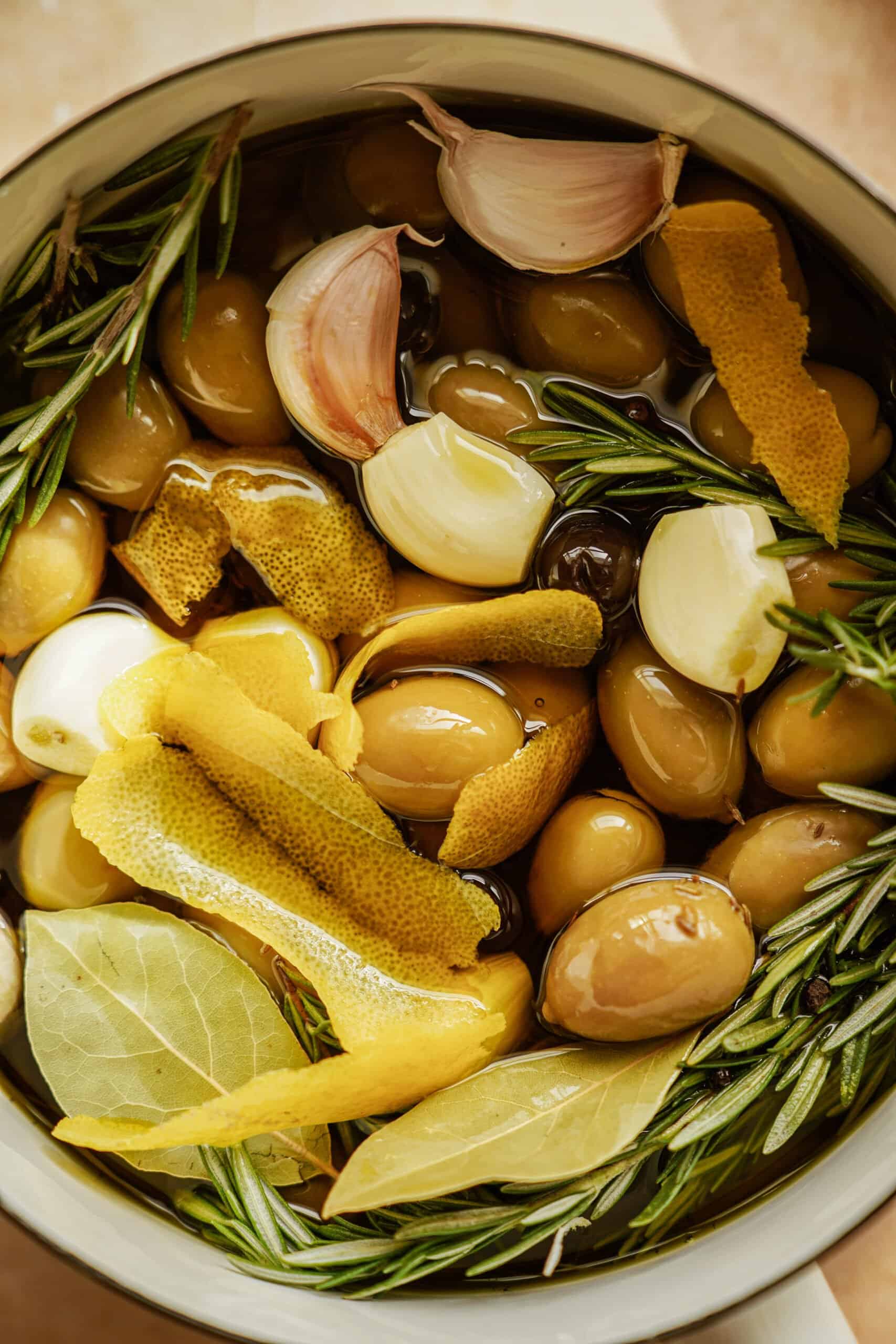
Let’s talk varieties. Here’s the tale of the tape:
Greek Olive Varieties
- Koroneiki: small olives, massive flavor, high polyphenols, robust and peppery (this is what JUICE is made from)
- Athinoelia: well-rounded, slightly milder, versatile
- Manaki: buttery, smooth, great for those who find Koroneiki intense
- Tsounati: fruity, aromatic, mostly Cretan
Greece has over 120 million olive trees and is the third-largest producer in the world.
Italian Olive Varieties
- Frantoio (Tuscany): herbaceous, balanced, green tomato and artichoke notes
- Leccino (Tuscany): milder, slightly sweet, smooth finish
- Taggiasca (Liguria): delicate, sweet, almost almond-like
- Coratina (Puglia): bold, peppery, goes toe-to-toe with Koroneiki
Italy grows 500+ cultivars, which is the most variety of any country. Making them the second-largest producer and largest importer.
Why the Olive Variety Matters So Much
Olive variety drives flavor. Climate, geography, and traditional production methods all amplify differences. Early harvest = more polyphenols and peppery kick. Late harvest = milder, buttery, golden.
In the Kitchen: When to Use Each One
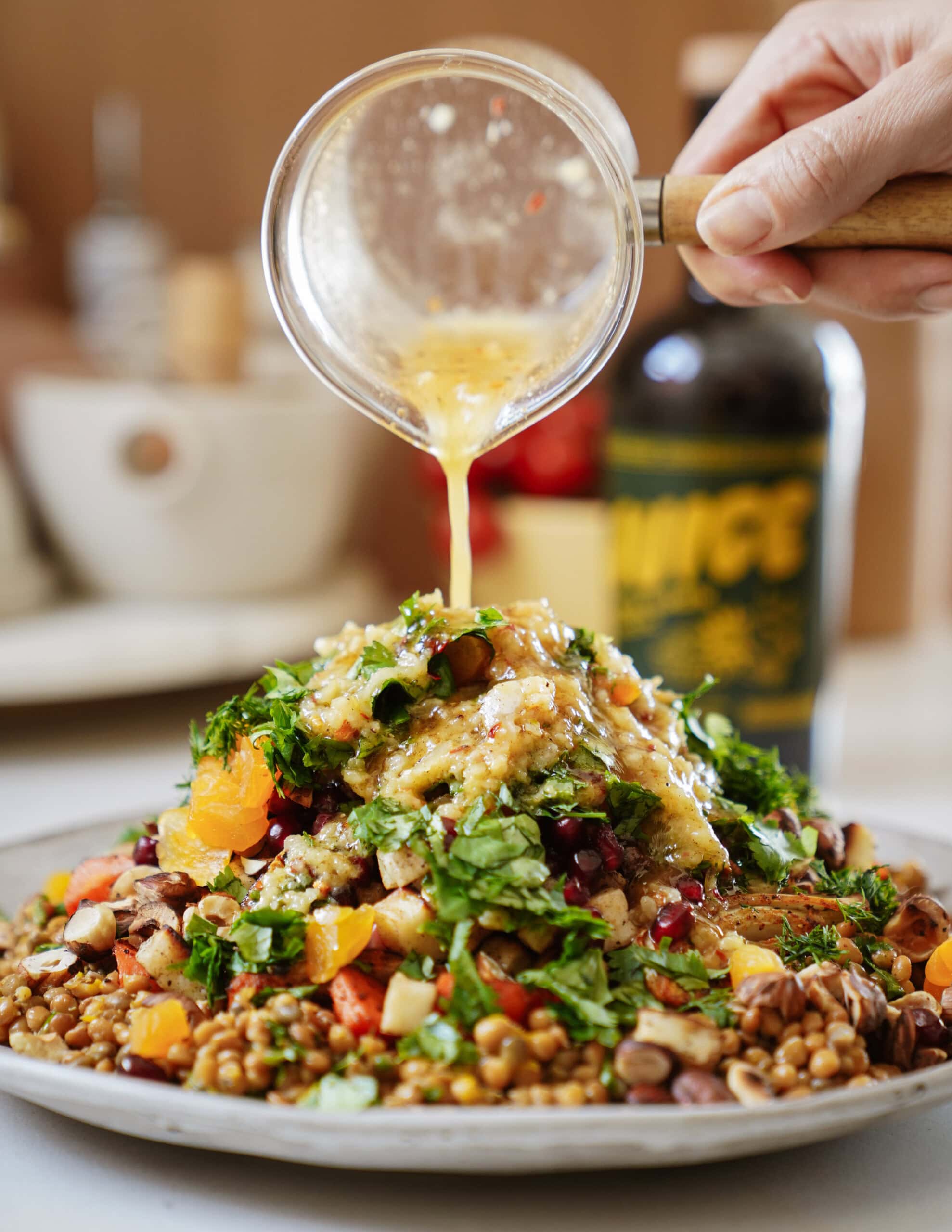
Reach for Greek Olive Oil When…
- You want oil to be the star
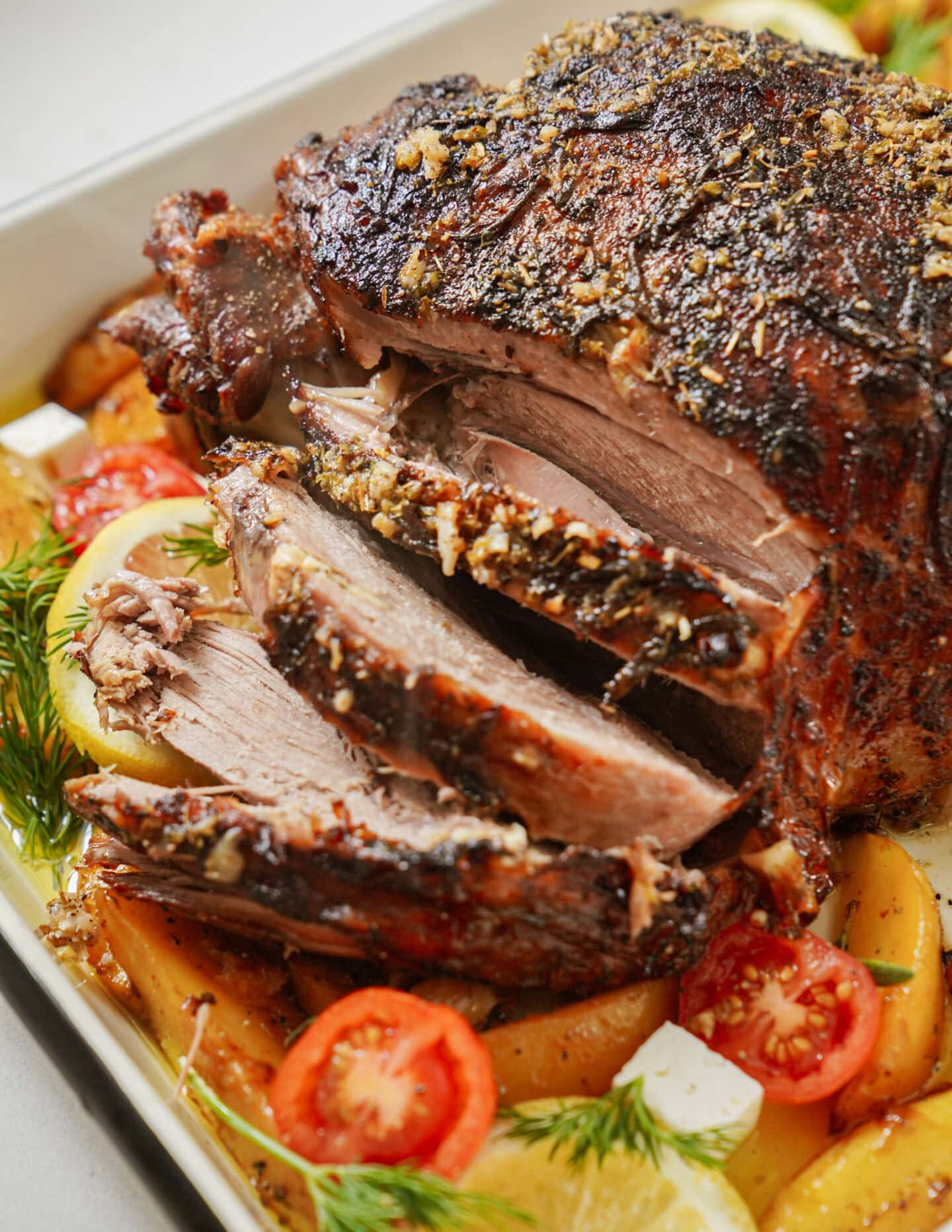
- Finishing dishes: salads, bread, hummus, roasted potatoes
- Ladera-style cooking (vegetables braised in generous olive oil)
- Baking: adds fruity depth that butter can’t replicate
Recipes like the following:
- Greek Salad
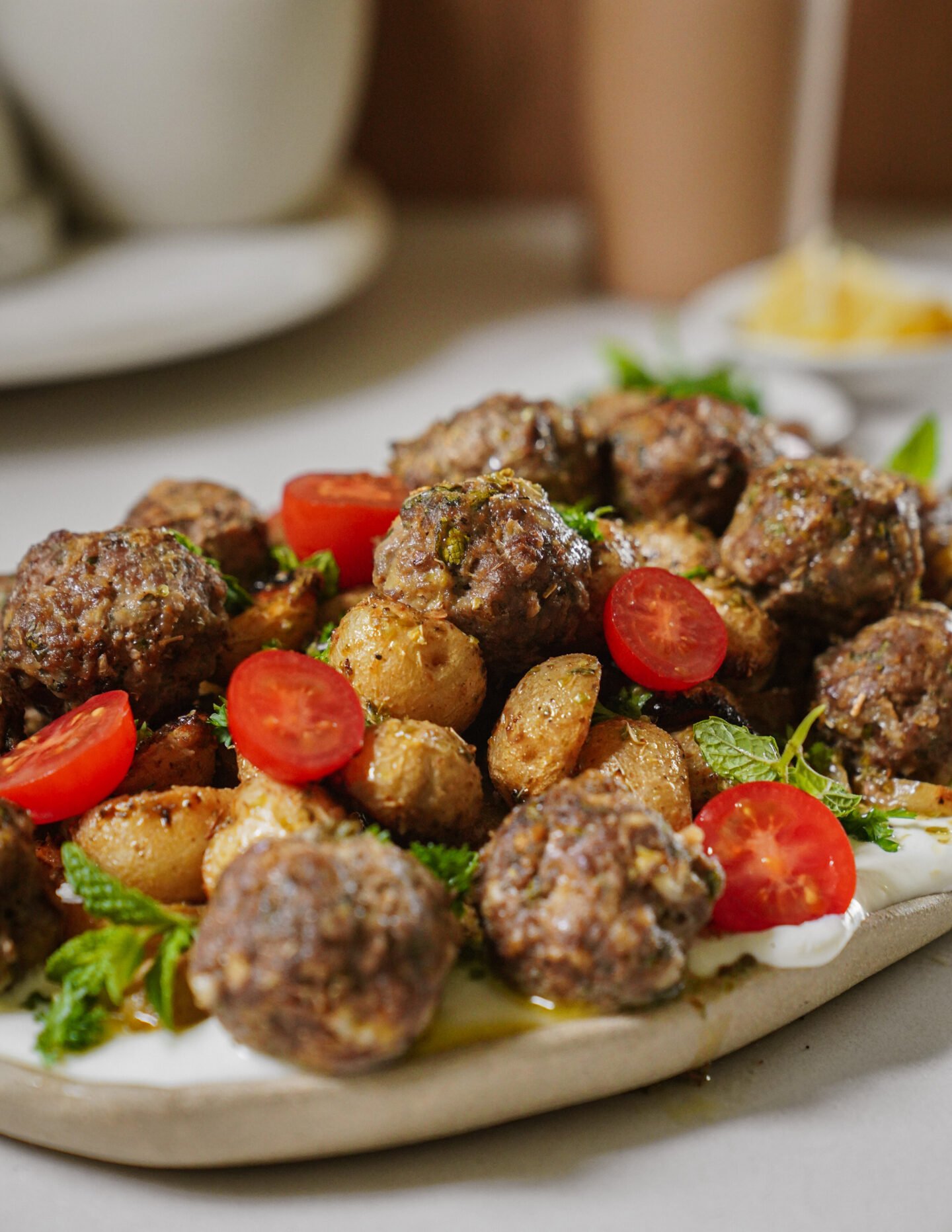
- Greek Potatoes
- Maroulosalata
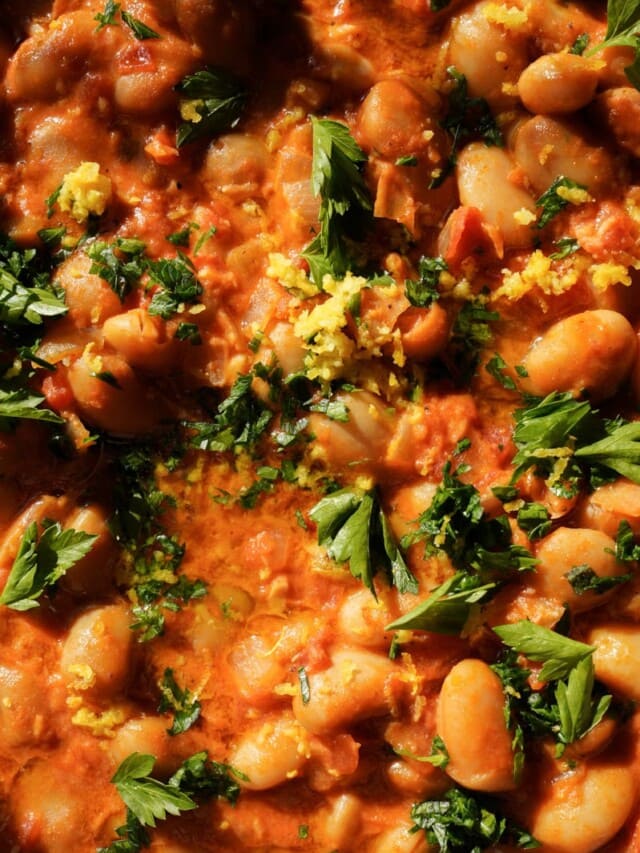
- Fasolakia
- Chocolate Olive Oil Cake
- No Churn Vanilla Ice Cream
- Greek Salad Dressing
My rule is: If you wouldn’t dip bread in it, don’t cook with it!
Reach for Italian Olive Oil When…
- You want oil to complement, not compete
- Delicate pastas, finishing risotto
- Bruschetta and carpaccio
- Pesto or aioli
Can You Use One for the Other?
Yes, but know the flavor impact between Greek vs Italian olive oil. Greek oil in Italian dishes may overpower. Italian oil in Greek dishes may lack punch. I keep both but reach for Greek 9 times out of 10.
Health Benefits: Is One Actually Healthier?
What They Have in Common
- Heart-healthy monounsaturated fats (oleic acid)
- Antioxidants, anti-inflammatory compounds
- Cornerstones of the Mediterranean diet
Where Greek Olive Oil Has an Edge
Koroneiki olives = higher polyphenols = stronger antioxidant and anti-inflammatory benefits. JUICE has 911 mg/kg polyphenols with that peppery kick and health benefits in every drop.
The Real Health Differentiator
It’s quality vs. junk. Fresh, high-quality EVOO has health benefits. Cheap, refined oil doesn’t.
How to Buy Good Olive Oil (No Matter Where It’s From)
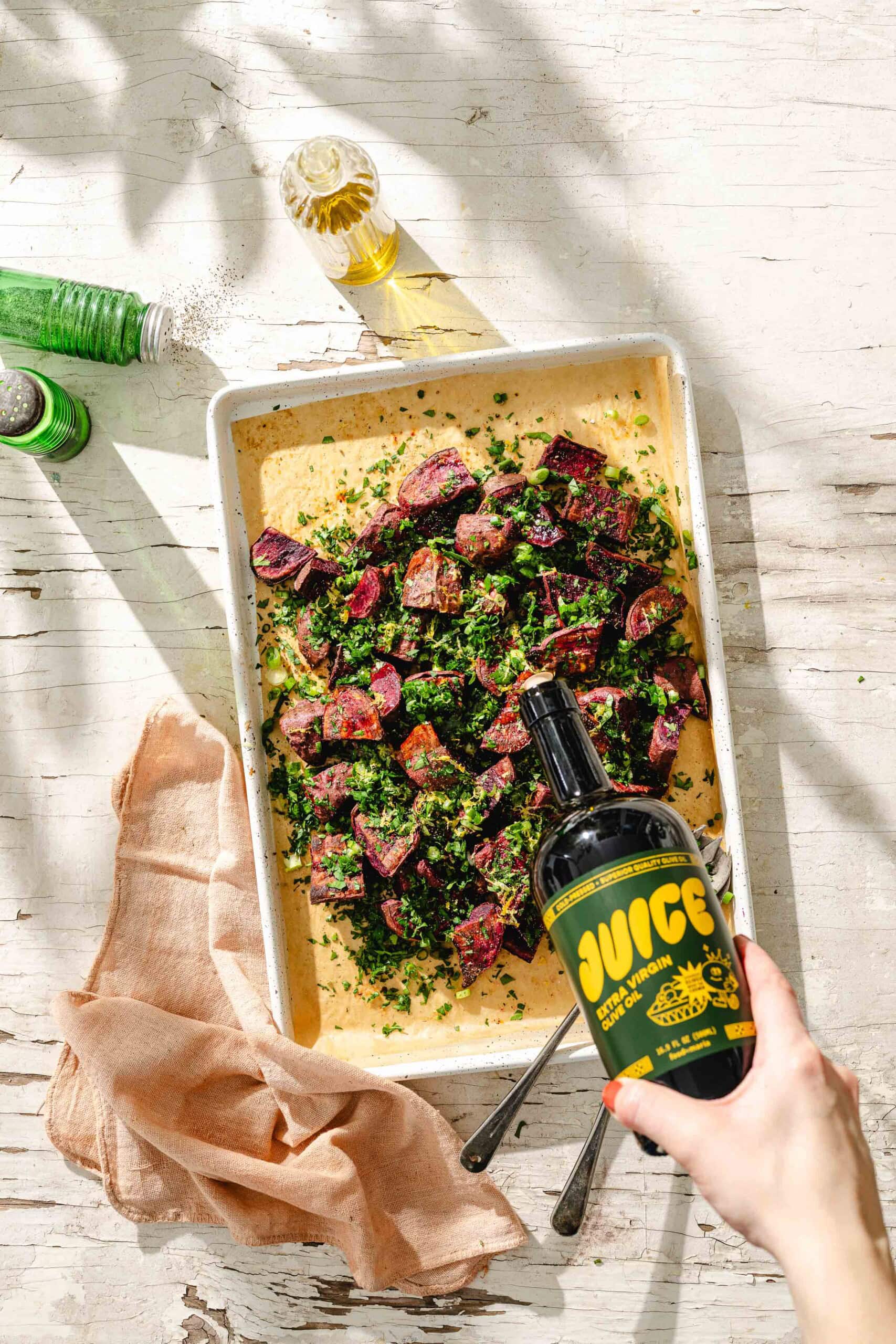
What to Look For on the Label
- Harvest date (fresher = better)
- Dark bottle (light degrades oil)
- “Extra virgin” (cold-extracted, acidity < 0.8%)
- Specific country/region
- “Single origin” or “estate bottled”
Red Flags to Avoid
- Clear bottles
- Labels that just say “olive oil” or “light olive oil”
- No harvest date
- Suspiciously cheap
The Taste Test
Good EVOO tastes like something. Whether that be fruit, pepper, or maybe a little bitterness. If your oil is bland, it’s either old or low quality. For more, see Greek Olive Oil 101.
What “Extra Virgin” Actually Means (And Why It Matters)
The Extra Virgin Standard
- Cold-extracted
- Acidity < 0.8%
- Meets International Olive Council flavor/aroma standards
Beyond the Minimum
- 0.8% is the floor, not the ceiling (JUICE = 0.25%)
- Polyphenol content matters too
- Two “extra virgin” oils can taste completely different
So… Which One Should You Buy? (And Why I Bottled My Own)
The Short Answer
- Love bold, robust flavour = go for Greek
- Want delicate oil for lighter dishes = go for Italian (Northern Italy)
- Best move: keep one of each (even I do)
The Most Important Thing
It’s not Greek vs. Italian. It’s quality vs. junk. Buy fresh, taste it, trust the producer.
Why I Created JUICE
I wanted to create an olive oil that you could feel good about. It can be hard to find a quality oil that checks all the boxes I mentioned above. JUICE is harvested early in the season while the olives are still bright green. These Koroneiki olives are rich in polyphenols and have a low acidity. This rare balance gives JUICE its vibrant bitterness, natural resilience, and clean, smooth finish. Carefully handpicked or gathered using gentle mechanical methods, the olives are collected on nets and immediately transported in breathable crates to preserve freshness.
I’ve put my heart and soul into this oil so you can have something in your kitchen that your food and body deserve!
Try JUICE here.
FAQs
Is Greek olive oil better than Italian?
Neither is objectively better. Greek tends to be bolder and higher in polyphenols; Italian has more regional variety. Best = high-quality, fresh EVOO from either country.
Why is Greek olive oil so strong?
Koroneiki olives = high polyphenols = bold, peppery, slightly bitter taste. Intensity can be translated to good quality + nutrition.
Is Italian olive oil actually from Italy?
Not always. Look for “single origin,” PDO/PGI labels for true provenance.
Can I use Greek olive oil for Italian cooking?
Yes, but flavor may overpower delicate dishes. It can be perfect for roasting, grilling, and hearty dishes.
What should I look for when buying olive oil?
Harvest date, dark bottle, extra virgin, specific country/region. Avoid clear bottles, generic labels, and no harvest date.
What is Maria’s olive oil?
JUICE = single-origin, early-harvest Koroneiki from Messenia, Greece. 911 mg/kg polyphenols, 0.25% acidity, dark glass. Checks all the boxes! You’re welcome.
Can you fry with olive oil?
Yes, EVOO smoke point ≈ 375–410°F. Sauté and pan-fry are great; the best finishing oil is not for deep frying.
How should I store olive oil?
Cool, dark place. Seal tightly. Not next to the stove. Use within 12–18 months of harvest.