
This post may contain affiliate links. Please read our disclosure policy.
‘Tis the season that your garden may be in full bloom, and you’re wondering what you’re going to do with the abundance of herbs that you are drowning in. It’s one of the best parts about summer: having a healthy garden that you can pop out to and get some fresh basil or parsley for a recipe you’re making in the kitchen, but when recipes only call for a small amount, it has you wondering how you’re going to use it all up before summer comes to an end. Use the tender herbs while they’re at their best, then freeze or dry the extras for another dinner.
Here’s the mistake I see all the time: treating every herb like it has the same job. Tender herbs like basil and parsley are all about freshness, so they’re usually best used right away or frozen for later. Woody herbs like rosemary and thyme naturally hold up better to drying, making them perfect pantry staples. Knowing the difference helps you waste less (and enjoy them for much longer than their lifespan in your garden).

Maria Koutsogiannia
Maria is the creator of FoodByMaria and your go-to Greek food expert for cozy, flavor-packed recipes. Inspired by her Mediterranean roots, she brings traditional Greek flavors, feel-good ingredients, and a whole lot of joy to everyday cooking.
I’m a big believer that herbs aren’t just a garnish. They’re one of the easiest ways to make food taste alive. So instead of watching another bunch wilt in the back of the fridge or die off in your garden, let’s make a quick plan. I’ll show you which herbs to use first, which ones store well, what deserves freezer space, and exactly where to put every extra handful.
Guide Summary
When a garden gives you more basil, parsley, mint, dill, chives, or rosemary than you can use at dinner, preserving them comes down to the herb and the meal you want later. Use leafy bunches in bright salads and sauces now, then store, freeze, or dry the surplus to keep every herb working hard in your kitchen.
Start With a Quick Herb Triage
Before you start stuffing herbs into jars or freezer bags, take a minute to decide where each bunch belongs. The easiest strategy for preserving herbs is matching the herb to the way you’ll cook with it later.
| Use Tonight | Keep Fresh (Next Few Days) | Freezes Well | Dries Well |
|---|---|---|---|
| Basil | Parsley | Basil | Rosemary |
| Mint | Dill | Parsley | Thyme |
| Cilantro | Chives | Dill | Oregano |
| Dill | Mint | Chives | Sage |
| Parsley | Cilantro | Cilantro |
Think about flavor before you think about storage. Some herbs are the star of the dish, while others build flavor slowly over time. If you’re looking for inspiration on how different herbs work in Mediterranean cooking, check out Greek Herbs and Spices That Promote Longevity.
Here’s the helpful science behind it. Freezing damages the tiny cell walls inside herbs, which is why they soften once they thaw. They may lose their crisp texture, but they still bring flavor to soups, pasta sauces, dressings, marinades, and other cooked dishes.
Drying works differently. As moisture leaves sturdy herbs like rosemary and thyme, their flavor becomes more concentrated, making them perfect for soups, tomato sauces, beans, roasted vegetables, and spice rubs. But drying won’t recreate the bright, fresh bite of basil or parsley. Fresh herbs and dried herbs just have different jobs.
Use the Fresh Herbs Now
If you’re wondering what to do with fresh herbs, start by using the bunches that are still fresh and fragrant. There’s no prize for saving everything. Sometimes the best move is making tonight’s dinner more flavorful.
One of my favorite ways to cook is by building flavor with fresh lemon, good olive oil, lots of garlic, and plenty of herbs. And I mean plenty. Herbs shouldn’t just sit on top of the food looking pretty; they should have a real job in every bite. A generous handful is almost always the right amount.
Here are some of my favorite ways to make the most of a fresh harvest:
- Fold chopped parsley and mint into grain salads or chopped vegetable salads for freshness.
- Let basil be the star of a green sauce that works with pasta, grilled vegetables, sandwiches, or even roasted chicken.
- Stir dill into a cool, lemony dressing for potatoes, cucumbers, or grilled salmon.
- Scatter oregano or thyme over roasted vegetables, white beans, or crispy potatoes before serving.
- Hosting friends? Pour good olive oil into a shallow bowl, add loads of chopped herbs, flaky salt, and a squeeze of lemon for an easy bread dipping oil everyone gathers around.
If you’re looking for fresh herb recipes, these are some of my favorite ways to put a generous garden harvest to work.
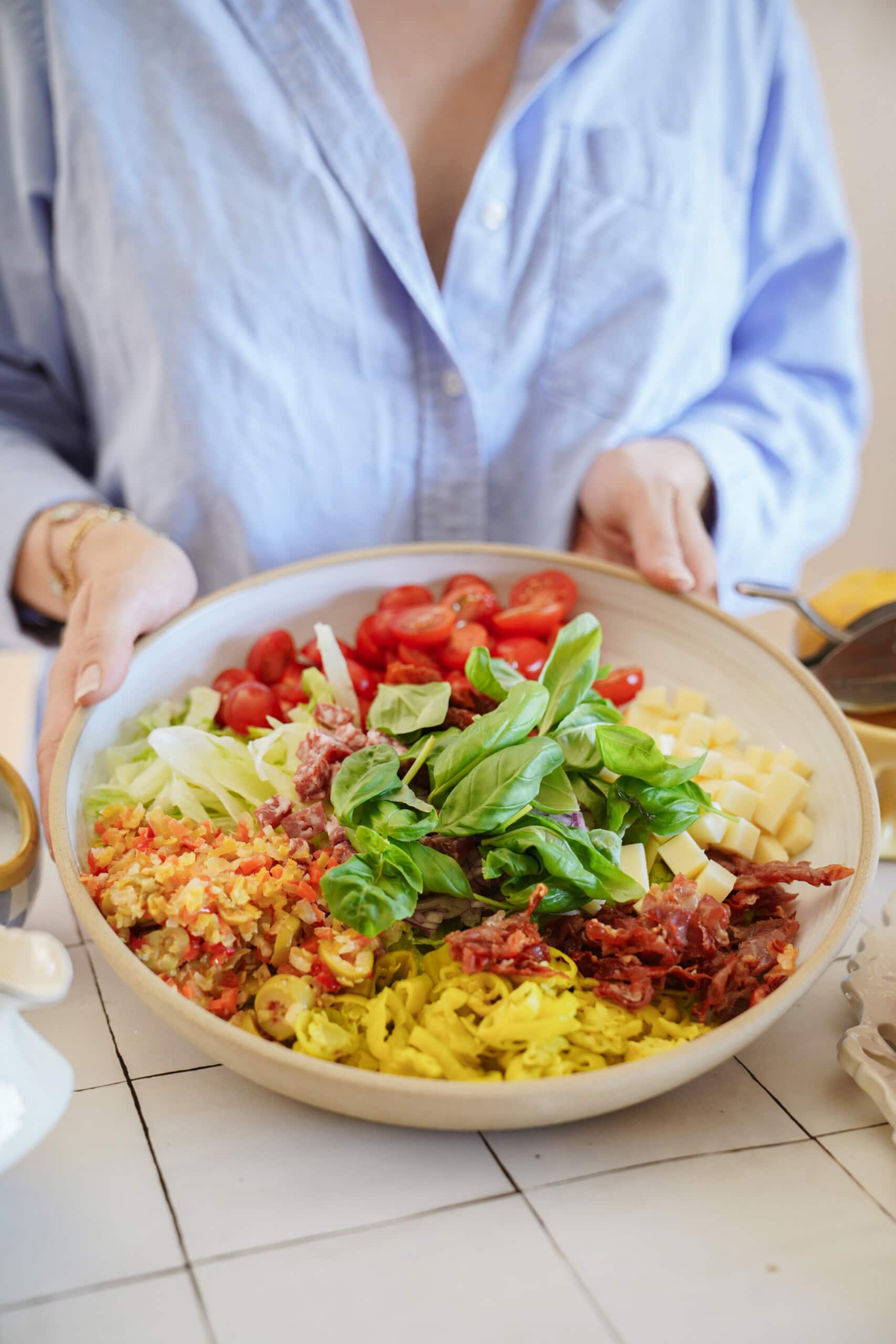
Greek Chickpea Salad With Pepperoncini & Capers (Parsley)
This is exactly the kind of salad that proves herbs are an ingredient and not just a garnish. Load it up with parsley and any other tender herbs you have on hand.
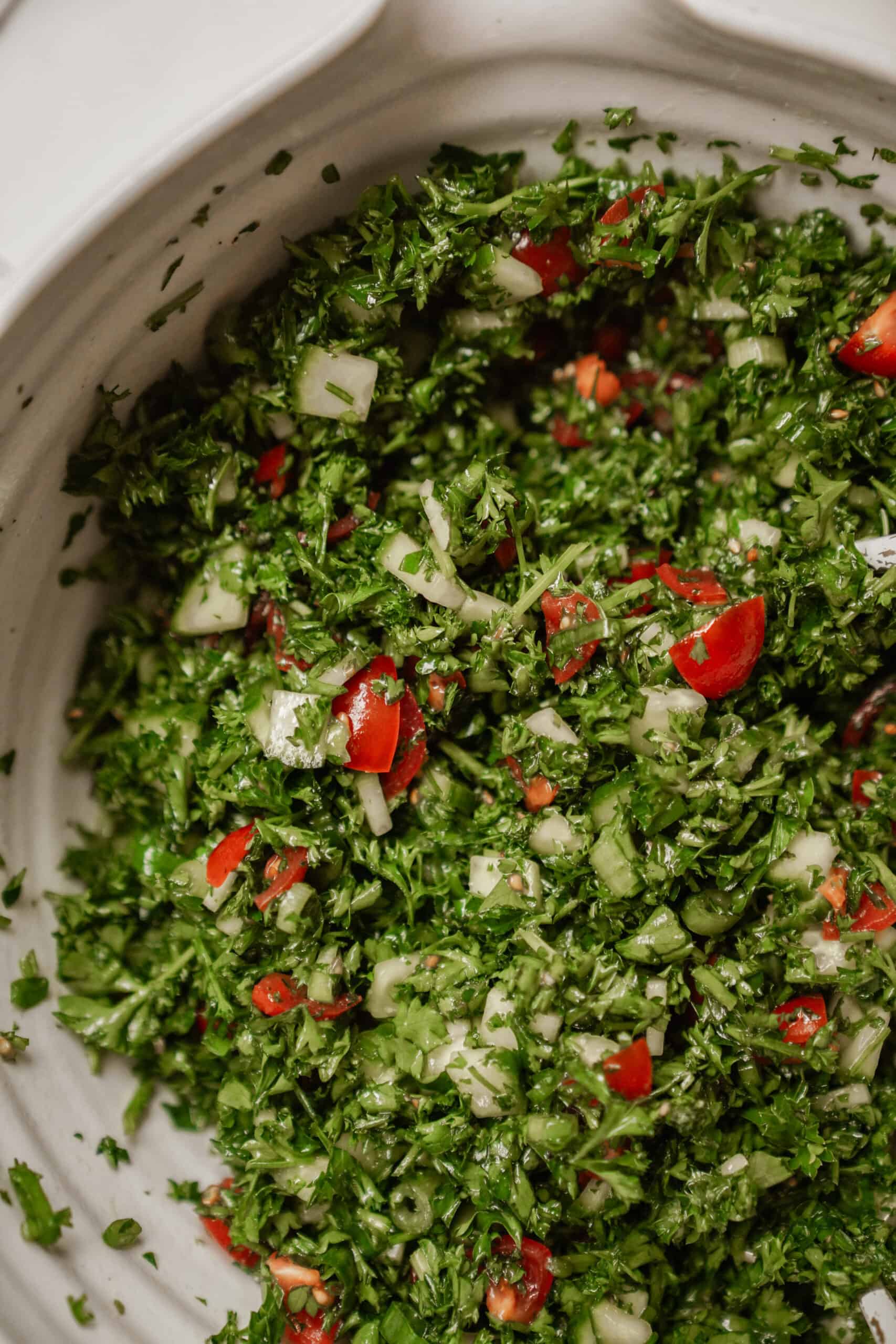
Tabbouleh Salad Recipe (Parsley)
When your garden gives you an enormous bunch of parsley (and maybe a little mint, too), tabbouleh is the answer. This salad is built around herbs, not just sprinkled with them.
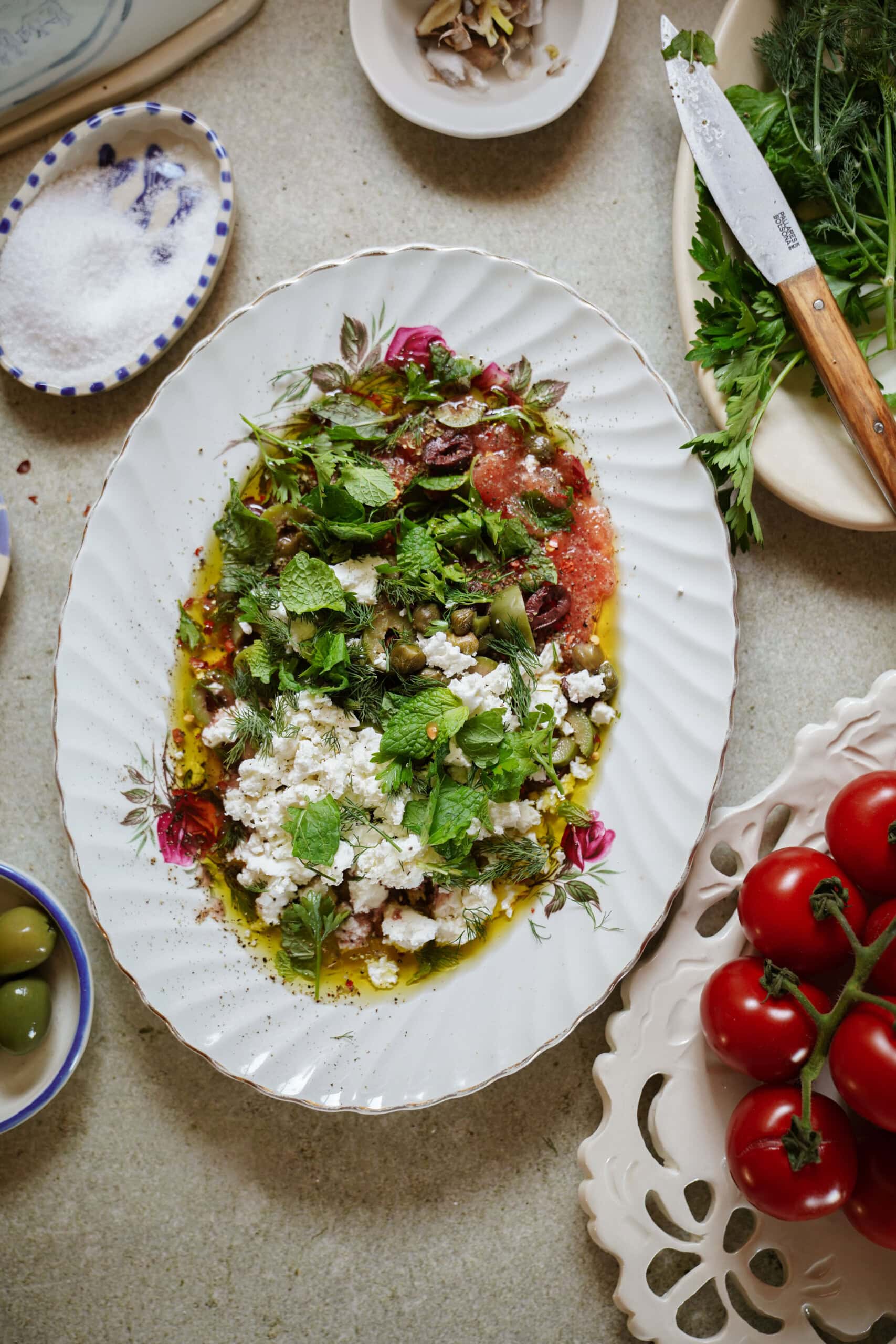
Bread Dipping Oil with Herbs, Feta and Olives (Dill, Parsley & Mint)
This is one of those recipes that looks impressive but couldn’t be easier. Fresh dill, parsley, and mint transform a simple bowl of olive oil into something everyone wants to crowd around before dinner.
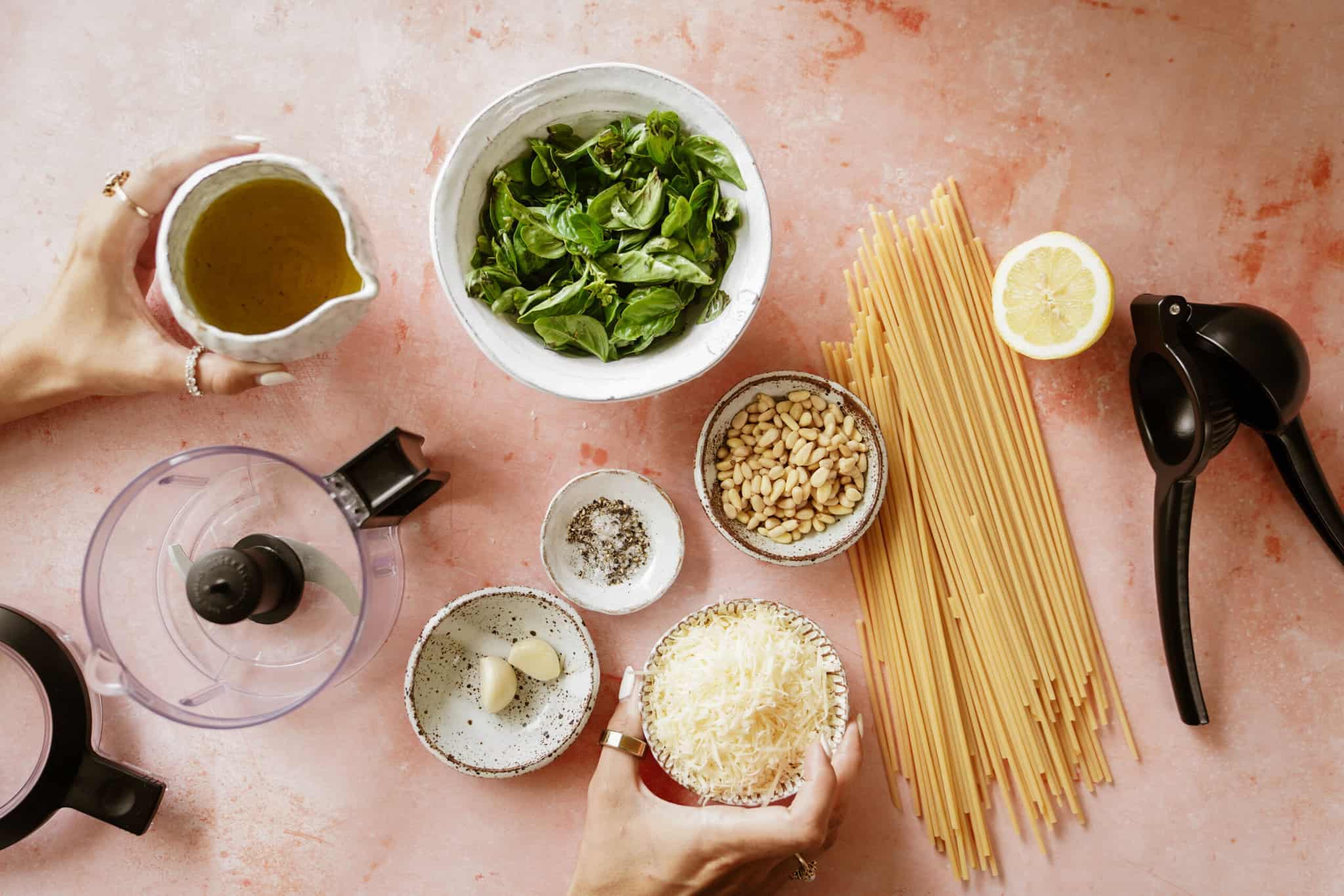
Homemade Pesto with Bucatini (Basil)
When basil is taking over your kitchen, pesto is always a good idea. Toss it with pasta, spread it onto sandwiches, spoon it over grilled vegetables, or use it as a marinade. The pesto keeps in a sealed container in the refrigerator for up to 3 days, or freeze it for up to 1 month so nothing goes to waste. You can also make pesto with different herbs. You can use more parsley than basil, a mix of both, or you can even make an oregano pesto for a really unique flavor.
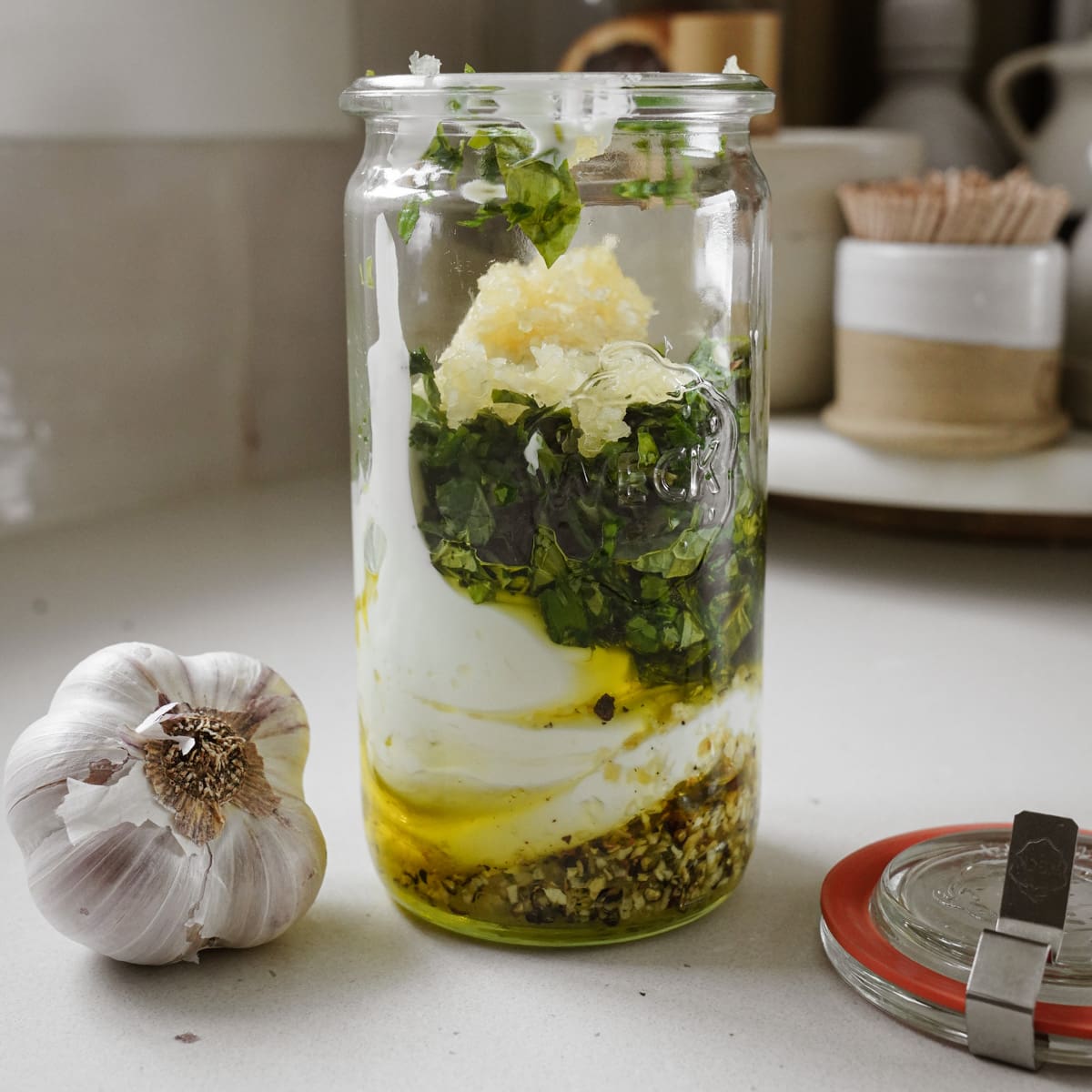
The Best Fish Marinade (Parsley, Basil & Mint)
If you’ve got parsley, basil, and mint all ready at the same time, this Greek yogurt marinade is a delicious way to use them together. You can make it ahead and keep it refrigerated for up to 1 day before using.
Greek Tzatziki Sauce (Dill)
You know me, I put tzatziki on everything! Whether it’s on grilled meat, roasted vegetables, wraps, or sandwiches, this creamy sauce lets dill shine. Store it in a tightly sealed container in the refrigerator for up to 1 week.
Keep Tender and Hardy Herbs Fresh Longer
Tender herbs and hardy herbs need different storage. It’s about understanding that tender and hardy herbs need different care if you want them to last.
| Herb Type | Best Storage Approach | Examples |
|---|---|---|
| Tender herbs | Keep stems hydrated and protect the leaves from drying out. Check them often and remove any damaged leaves before they affect the rest of the bunch. | Parsley, cilantro, dill, mint |
| Hardy herbs | Keep them cool with controlled moisture rather than standing them in water. Too much moisture encourages spoilage. | Rosemary, thyme, sage, oregano |
| Basil (its own category!) | Basil doesn’t love the cold. Store it at cool room temperature when possible, keeping the stems in water if you’ll use it within a couple of days. | Basil |
No matter which herbs you’re storing, let your senses do the work. Healthy herbs should smell fresh and clean, with leaves that feel lively (not slimy, blackened, or musty). If a few leaves start to soften, use those first instead of waiting until the whole bunch is past its prime.
If you’re cooking seasonally, you’ll find even more ideas in Seasonal Greek Eating for making the most of fresh ingredients while they’re at their best.
Freeze Herbs for Future Dinners
If you’re looking into how to freeze fresh herbs, think less about one perfect method and more about how you’ll actually use them later. Frozen herbs are fantastic in cooked dishes where flavor matters more than texture.
Choose a freezer format based on how you cook:
Loose Leaves or Whole Sprigs
Perfect for dropping straight into soups, broths, sauces, or stocks. You can grab exactly what you need without thawing an entire batch.
Chopped Portions
Freeze chopped herbs in small portions with water so they’re ready to stir into soups, pasta, rice, eggs, or stews whenever you need a quick hit of fresh flavor.
Frozen with Olive Oil
Freezing herbs with olive oil creates convenient portions that are ready for sautéing vegetables, building pasta sauces, or starting soups. The oil keeps the portions ready for the pan and can help the herbs hold onto their color.
Best Herbs for Freezing
Basil, parsley, dill, chives, mint, cilantro, and tarragon all hold onto their flavor surprisingly well in the freezer, making them much better candidates for freezing than drying.
Food Safety Tip
If you freeze herbs in olive oil, keep those portions in the freezer until you’re ready to cook. Herb-and-oil mixtures should never be stored on the countertop.
One thing to remember: frozen herbs won’t have the same crisp texture once they thaw. That’s completely normal. Save them for cooking vs. using them in fresh dishes like salads.
Dry the Herbs That Can Take It
When you’re wondering how to dry herbs, save that method for the sturdy varieties that naturally hold up well.
Rosemary, thyme, oregano, sage, and other woody herbs dry best because their leaves already contain less moisture than tender herbs. Whether you choose air drying, a dehydrator, a low oven, or even microwave drying, the goal is the same: gentle heat, good airflow, and completely dry herbs before they go into storage.
Once dried, these herbs become pantry staples. They’re perfect for long-simmered tomato sauces, soups, beans, roasted vegetables, homemade spice blends, and dry rubs where concentrated herbal flavor has time to develop.
Here’s the important distinction I always come back to: fresh herbs and dried herbs do different jobs. A handful of fresh parsley tossed into a salad can’t be replaced by dried parsley, just like dried rosemary brings something to a slow-cooked stew that fresh rosemary doesn’t. Choose the version that makes the final bite taste better instead of treating one as a substitute for the other.
Make One Garden Harvest Last All Week
When you’ve got herbs from your garden covering the counter, don’t overcomplicate it. A simple plan keeps almost everything from going to waste.
- Use the most delicate herbs first while they’re at their freshest.
- Save a small bunch for meals you’ll make over the next couple of days.
- Freeze whatever you’ll use in soups, sauces, marinades, pasta, or other cooked dishes.
- Dry the woody herbs that are still looking healthy so you can enjoy them for months.
You don’t have to preserve every leaf perfectly. Make a quick call before the leaves soften and lose their punch.
Don’t Waste the Stems
Parsley, cilantro, and dill stems are packed with flavor. Toss them into homemade stock, blend them into green sauces, stir them into pesto-style herb mixtures, or finely chop them into dressings and marinades. It’s one of the easiest ways to reduce waste while getting even more flavor from every bunch.
FAQs
The best method depends on the herb and how you plan to use it. Tender herbs like basil, parsley, dill, and mint usually keep more of their bright flavor when frozen for cooked dishes, sauces, dressings, and marinades. Rosemary, thyme, oregano, and sage are better candidates for drying because they naturally hold their flavor well over time. If you’ll use your herbs within a few days, short-term storage is often the best option.
Freeze leafy, tender herbs when you want to use them in soups, sauces, pasta, eggs, casseroles, or other cooked meals. They soften after thawing, so they aren’t the best choice for fresh salads or garnishes. Dry sturdy herbs like rosemary, thyme, oregano, and sage when you want concentrated flavor that’s ready to use from the pantry for months.
Yes! Freezing chopped herbs with olive oil creates convenient portions that are ready for sautéing, soups, pasta sauces, and other cooked dishes. The oil can also help herbs keep a brighter color during storage. Always store herb-and-oil mixtures in the freezer (not at room temperature) and label them with the herb name and date so you know exactly what you’re grabbing later.
Start with herbs that are clean and free from excess moisture. Tender herbs generally last longer when their stems stay hydrated and their leaves are protected, while hardy herbs prefer controlled moisture instead of sitting in water. Check your herbs every couple of days and use any leaves that begin to soften before the rest of the bunch follows.
Think about recipes where herbs are the main ingredient instead of an afterthought. Tabbouleh, Greek chickpea salad, pesto, green sauces, lemony dressings, marinades, and herby bread dipping oil are all delicious ways to use generous handfuls at once. Once you’ve cooked with the freshest herbs, freeze the extras you’ll use in cooked meals and dry the woody herbs for your pantry.
Be the first to discuss this recipe.