This post may contain affiliate links. Please read our disclosure policy.
If you’ve ever made one of my recipes and thought, “Whoa… this is way too salty,” I want you to check one thing first: what type of salt did you use? Understanding the different types of salt can completely change how your food turns out, because a teaspoon of table salt is not the same as a teaspoon of kosher salt. I get messages from followers all the time who accidentally over-salt recipes because they swapped salts without adjusting the measurement, and this is exactly why kosher salt vs table salt matters more than most home cooks realize.
As a recipe developer, I’ve tested thousands of dishes using kosher salt. When someone uses table salt at the same measurement, the result is almost always noticeably saltier. It’s not because the recipe is wrong; it’s because salt crystals are shaped differently, and that changes how much salt actually fits into your measuring spoon.

Maria Koutsogiannia
Maria is the creator of FoodByMaria and your go-to Greek food expert for cozy, flavor-packed recipes. Inspired by her Mediterranean roots, she brings traditional Greek flavors, feel-good ingredients, and a whole lot of joy to everyday cooking.
So, let me save you from over-salting everything. Once you understand how salt works, seasoning becomes so much easier (and honestly, way more intuitive).
Guide Summary
Not all types of salt are created equal, and using the wrong one can completely change a recipe. This guide breaks down the most common cooking salts, explains why kosher salt and table salt aren’t interchangeable by volume, and includes a salt conversion chart so you never over-salt (or under-season) a dish again. Consider this your complete Salt 101.
Why Salt Matters More Than You Think
Salt might seem like a simple ingredient, but it’s one of the most powerful tools in your kitchen. Out of all the types of salt, the one you choose, and how you use it, can make the difference between food that tastes flat and food that tastes balanced, layered, and full of flavor.
Here’s why salt deserves more attention:
It’s in every recipe you’ll ever make
Salt is the most universal seasoning in cooking. It doesn’t just make food taste “salty”, it enhances sweetness, balances acidity, reduces bitterness, and helps flavors taste more concentrated. Salt also affects how ingredients behave by drawing out moisture and helping flavors develop as food cooks.
Not all salts measure the same
This is where most kitchen confusion happens. A teaspoon of table salt can contain significantly more sodium than a teaspoon of kosher salt because the tiny crystals pack together tightly. The spoon might look identical, but what’s inside can be completely different.
Crystal shape determines density
Fine salts like table salt have compact crystals that leave very little air space between them. Larger kosher salt flakes are lighter because they’re more open and airy. That means you can fit fewer salt crystals into the same measuring spoon, resulting in less actual salt by volume.
The right salt makes seasoning easier
The best salt for cooking is the one that gives you control. Larger flakes are easier to grab with your fingers, sprinkle evenly, and judge visually as you season. This is why professional chefs and recipe developers often prefer kosher salt; it allows you to season gradually instead of accidentally dumping in too much.
As someone who develops recipes professionally, I rely on this consistency. I know how a dish should taste when it’s tested with kosher salt, and that’s why swapping salts without adjusting measurements is one of the easiest ways to accidentally change a recipe.
The Most Common Types of Salt for Cooking
There are many types of salt for cooking, but you don’t need a giant collection of fancy salts to become a better cook. Understanding the differences between the most common varieties will help you choose the right one for the job and season your food confidently.
Kosher Salt
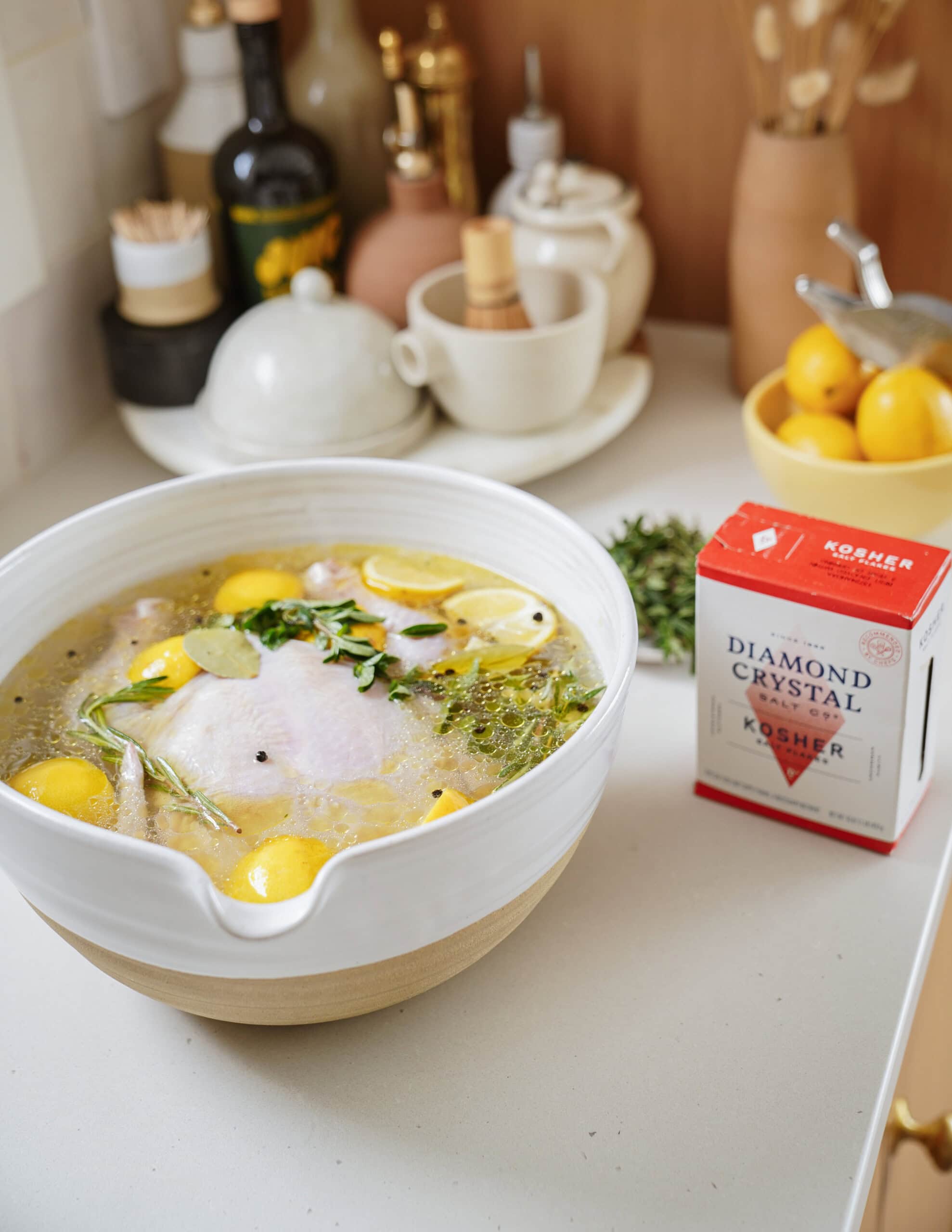
Kosher salt is the salt I use most often in my kitchen. It’s a coarse, flake-style salt made without iodine and typically without anti-caking additives. Despite its name, kosher salt isn’t called “kosher” because it has a certification. It got its name because it was traditionally used in the koshering process of meat, where salt draws out blood.
The reason chefs love kosher salt comes down to control. The larger flakes are easy to pinch between your fingers, dissolve beautifully, and stick well to food surfaces instead of immediately falling away.
One important thing to know: not all kosher salts are the same. Some varieties have light, hollow flakes that take up more space in a measuring spoon. Others have flatter, denser flakes that pack together more tightly. The difference can be huge!! A recipe written with one type may taste much saltier if you substitute another without adjusting.
For me, hollow-flake kosher salt is the sweet spot. The flakes give me more control when seasoning by hand, and they dissolve quickly into marinades, dressings, and sauces.
It’s also my go-to when making a proper brine because the salt dissolves evenly and seasons food consistently. If you’re new to brining, start with a trusted recipe like my chicken brine guide, where kosher salt is essential for getting the right balance.
Best uses:
- Everyday cooking
- Seasoning meat and vegetables
- Marinades and dressings
- Brining
- Recipes that simply call for “salt”
Table Salt
Table salt is the classic fine-grain salt most people grew up using. It’s highly refined, meaning it’s processed into very small crystals. Many varieties contain iodine (added for nutritional reasons) and anti-caking agents to prevent clumping.
The biggest issue with table salt in cooking isn’t that it’s “bad”, it’s that it behaves differently. Those tiny crystals pack tightly together, meaning a teaspoon contains much more salt than a teaspoon of most kosher salts.
Table salt can also have a slightly metallic or chemical flavor because of the iodine and additives, especially in simple dishes where salt is more noticeable.
Where table salt does shine is in baking. Fine grains distribute evenly throughout dough and batter, and precise measurements matter more when you’re working with chemistry-based recipes.
Best uses:
- Baking
- Recipes written specifically for table salt
- When fine, quick-dissolving salt is needed
Sea Salt (Fine and Coarse)
Sea salt is made by evaporating seawater, leaving behind salt crystals along with trace minerals naturally found in seawater. It comes in many forms, including fine, coarse, and flaky varieties.
The trace minerals found in sea salt (like magnesium, calcium, and potassium) can contribute subtle differences in flavor, although they don’t dramatically change the nutritional value compared with other salts.
Fine sea salt is a great everyday option if you prefer a cleaner-tasting salt without iodine or anti-caking additives. Because it’s finely ground, it behaves more like table salt when measuring.
Coarse sea salt is better suited for salt grinders, seasoning meat ahead of time, or applications where you want larger crystals.
Best uses:
- Fine sea salt: baking and general seasoning
- Coarse sea salt: grinders and meat seasoning
- Flaky sea salt: finishing
Flaky Sea Salt (Finishing Salt)
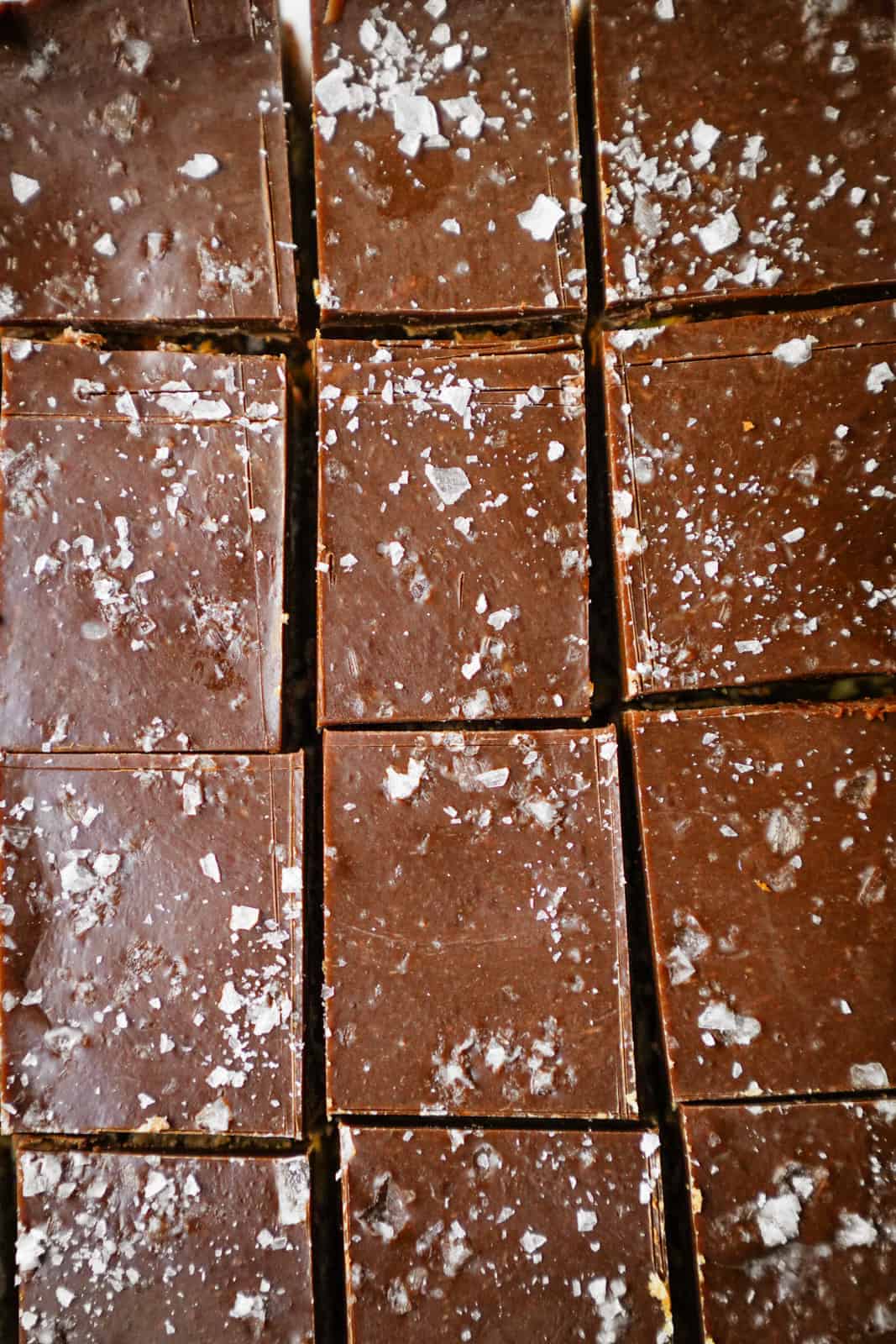
Flaky sea salt is the little luxury ingredient that can make a simple dish feel restaurant-worthy. These delicate, thin flakes form on the surface of evaporating seawater and create a light, crunchy texture that melts beautifully on your tongue.
Unlike cooking salts, flaky salts are meant to be used at the very end. Their appeal isn’t just the flavor; it’s the texture, appearance, and little bursts of salinity you get in each bite.
Sprinkling flaky sea salt over a warm chocolate cookie, roasted vegetables, a perfectly cooked steak, or avocado toast creates contrast and makes flavors pop. Cooking with it, however, is usually a waste because the heat dissolves those beautiful flakes and removes the texture that makes it special.
Best uses:
- Finishing cookies and desserts
- Chocolate
- Steaks
- Roasted vegetables
- Avocado toast
- Salads
Think of flaky sea salt as the final touch, not your everyday cooking salt.
Himalayan Pink Salt
Himalayan pink salt is a rock salt mined from the Khewra salt mine in Pakistan. Its signature pink colour comes from trace amounts of minerals, including iron oxide.
You’ll often hear claims that Himalayan salt is healthier, contains significantly more minerals, or has special wellness benefits. The reality is that while it does contain trace minerals, the amounts are extremely small and don’t provide meaningful nutritional benefits compared with regular salt.
That said, flavor is personal. Some people enjoy its mild, slightly earthy taste, and it can look beautiful when used as a finishing salt or served in a grinder.
For everyday cooking, though? It’s not something you need to spend extra money on. A quality kosher salt will give you better control and consistency.
Best uses:
- Finishing dishes
- Salt grinders
- Decorative presentation
Smoked Salt
Smoked salt is exactly what it sounds like: salt that has been smoked over wood to infuse it with a smoky aroma and flavor. Depending on the wood used, it can add notes ranging from subtle and sweet to deep and barbecue-like.
This is a fun salt to keep in your pantry when you want to add smoky flavor without actually smoking or grilling food.
A little goes a long way, so use it like a finishing ingredient rather than replacing all the salt in a recipe.
Best uses:
- Grilled meats
- Roasted vegetables
- Stews
- BBQ-inspired dishes
- Homemade spice blends
Black Salt (Kala Namak)
Black salt, also known as kala namak, is a volcanic rock salt commonly used in South Asian cooking. Despite the name, it’s usually greyish-pink rather than truly black.
Its most recognizable feature is its strong sulfur aroma, which many people describe as similar to cooked eggs. This makes it especially popular in Indian dishes and plant-based recipes where you want to recreate an egg-like flavor.
Because the flavor is so distinctive, this isn’t a salt you sprinkle everywhere. A small amount can completely change a dish.
Best uses:
- Chaat masala
- Indian cooking
- Vegan egg dishes
- Specialty recipes
Seasoned Salt
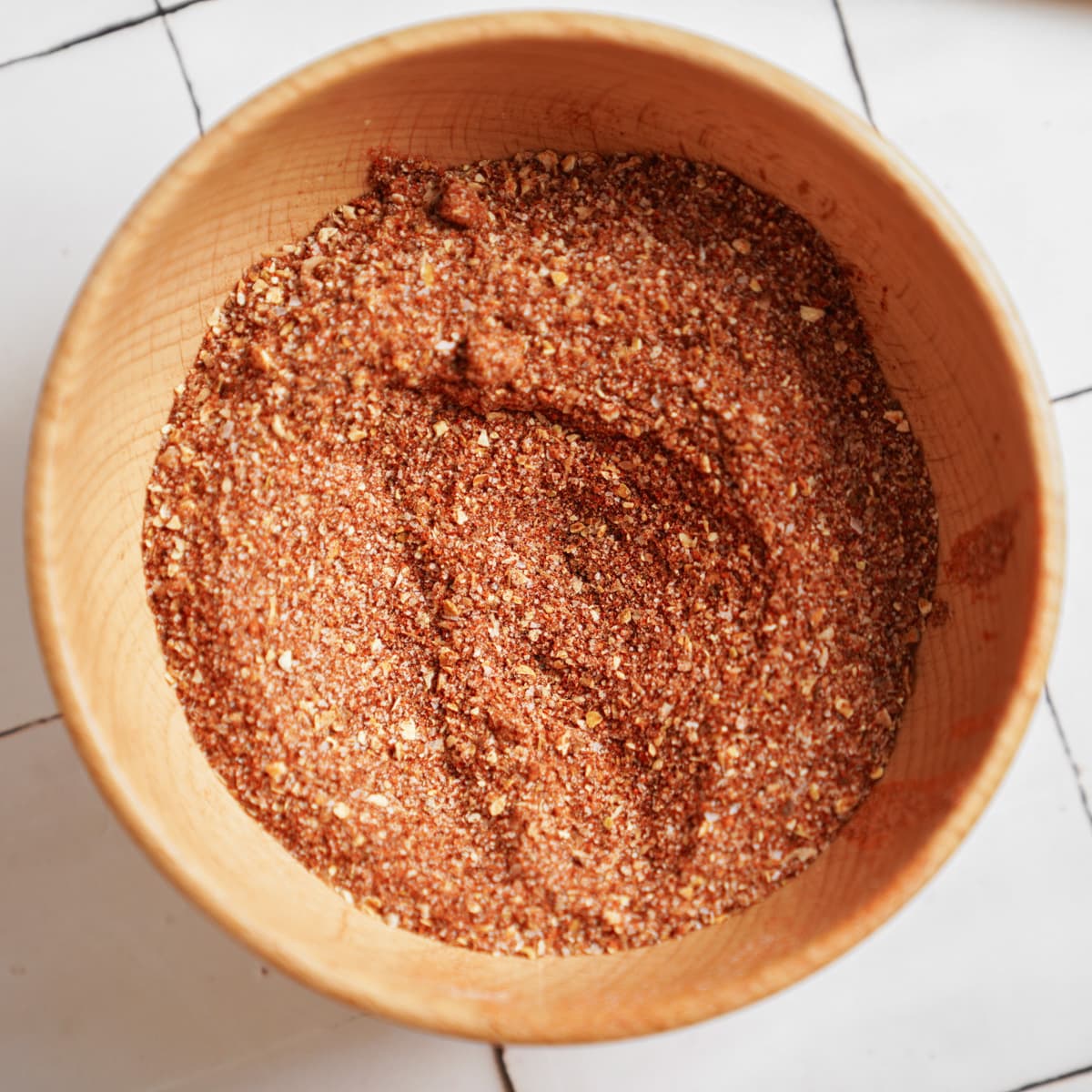
Seasoned salt is a blend of salt combined with herbs, spices, and other flavorings. It’s a convenient shortcut when you want a quick hit of flavor without reaching for multiple spices.
That said, seasoned salt shouldn’t replace learning how to season food in layers. Building flavor with individual ingredients gives you much more control over the final dish.
I love making my own seasoning blends because I can adjust the salt, spice, acidity, and herbs exactly how I like them. If you want to try making your own, my chili lime seasoning is a great place to start.
Best uses:
- Quick seasoning
- Fries and roasted vegetables
- Popcorn
- Snacks
- Homemade spice blends
Kosher Salt vs. Table Salt: Why You Can’t Swap Them 1:1
This is the section I wish every home cook would read before changing a recipe.
The biggest difference in kosher salt vs table salt comes down to crystal size and density. Kosher salt flakes are larger and contain more empty space between crystals, while table salt crystals are tiny and tightly packed.
That means a teaspoon of kosher salt contains much less actual salt than a teaspoon of table salt.
And here’s where things get even more confusing: even kosher salts aren’t all identical.
Some kosher salts have light, hollow flakes that take up a lot of space. Others have flatter, denser flakes that pack together more tightly. A teaspoon of one kosher salt can contain almost twice as much salt as another variety.
This is why two people can make the same recipe and get completely different results.
I see this happen constantly. Followers will message me saying a recipe is too salty, and when we troubleshoot, the answer is almost always the same: they used table salt instead of the kosher salt I tested the recipe with.
It’s not a mistake — it’s just a measurement issue.
The recipe was developed with a specific salt because the amount matters.
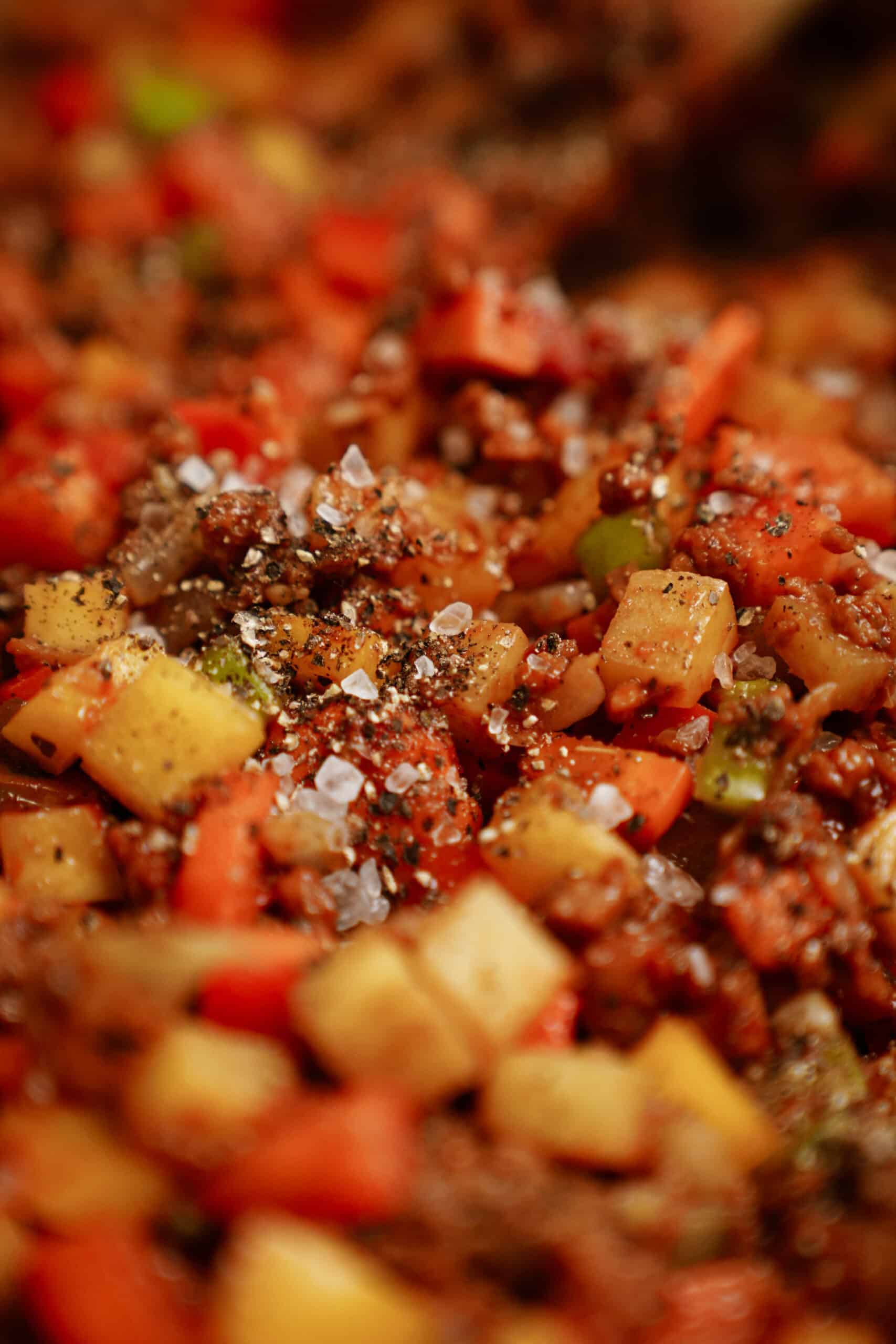
For example, if you’re making something like my one-pot orzo, where salt balances the broth, vegetables, and other ingredients, swapping in table salt without reducing the amount can push the whole dish out of balance.
The simple rule:
If a recipe calls for kosher salt and you only have table salt:
- Use about half the amount of table salt when replacing hollow-flake kosher salt.
- Use slightly less table salt when replacing denser kosher salt varieties.
- Always taste before adding more.
And remember: you can always add more salt. You can’t easily remove it.
Salt Conversion Chart
When recipes don’t specify the salt type, this is where things get tricky. This salt conversion chart will help you adjust measurements more confidently.
| Salt Type | Equivalent to 1 tsp hollow-flake kosher salt | Best Used For |
|---|---|---|
| Hollow-flake kosher salt | 1 tsp | Everyday cooking, seasoning, and brining |
| Flat-flake kosher salt | ½–¾ tsp | Everyday cooking (adjust based on density) |
| Table salt | ½ tsp | Baking, older recipes |
| Fine sea salt | ¾ tsp | Baking, general seasoning |
| Coarse sea salt | Depends on grind | Grinding, finishing |
For the most accurate results, weighing salt is always the most reliable method:
- 1 tsp hollow-flake kosher salt = approximately 3 grams
- 1 tsp flat-flake kosher salt = approximately 5 grams
- 1 tsp table salt = approximately 6 grams
If you’re recipe testing, baking, or trying to replicate a specific result, a kitchen scale removes all the guesswork.
Which Salt Should You Use? Maria’s Picks
If you’re standing in the grocery store staring at twenty different containers of salt, wondering which one actually belongs in your kitchen, here’s my simple answer: you don’t need all of them.
The best salt for cooking is the one that gives you control, consistency, and confidence. In my kitchen, I keep it simple and use different salts for different jobs.
For Everyday Cooking: Kosher Salt
My everyday choice is hollow-flake kosher salt.
It’s what I reach for when seasoning vegetables, proteins, sauces, marinades, and basically anything that comes out of my kitchen. The larger flakes make it easy to pinch with my fingers, sprinkle evenly, and adjust as I cook.
It also dissolves quickly, which makes it perfect for things like dressings, marinades, and brines.
Kosher salt is the salt behind many of my recipes because it’s forgiving. You can see how much you’re adding, and you’re less likely to accidentally dump in too much compared with fine table salt.
It’s also the salt I use in my chili lime seasoning because it blends beautifully with spices and gives the seasoning mix a balanced flavor.
For Baking: Fine Sea Salt
When baking, I prefer fine sea salt.
Baking is a little different from cooking because measurements need to be extremely consistent. Smaller salt crystals distribute evenly throughout dough and batter, which means you won’t end up with random salty pockets in your cookies, cakes, or breads.
Fine sea salt dissolves quickly and gives baked goods a clean flavor without the stronger taste some people notice with iodized table salt.
For Finishing: Flaky Sea Salt
Flaky sea salt is my “make it special” salt.
A tiny sprinkle on top of freshly roasted vegetables, a chocolate dessert, a steak, or even a simple piece of toast adds texture and little bursts of flavor.
It’s not something I use for everyday cooking because that beautiful flaky texture disappears once it melts into a dish.
Think of it like a finishing accessory; the final little detail that makes food feel extra special.
Salts I Skip for Everyday Cooking
Table Salt
I personally don’t reach for table salt in everyday cooking. It’s very easy to overdo it because the crystals are so fine and concentrated.
It also doesn’t give me the same control I get from kosher salt.
Himalayan Pink Salt
I enjoy the look of Himalayan pink salt, but I don’t consider it a kitchen essential. The mineral content that gives it its colour isn’t enough to make it meaningfully different nutritionally, and the higher price tag doesn’t automatically make it a better cooking salt.
For me, consistency wins.
Does Salt Expire?
Good news: Salt is one of the longest-lasting ingredients in your pantry.
Pure salt is a mineral, which means it doesn’t spoil or go bad in the way fresh ingredients do. A container of kosher salt or pure sea salt can last indefinitely when stored properly.
However, some salts contain additives that can change over time.
Iodine in iodized table salt can lose potency after several years, and anti-caking agents may become less effective, causing the salt to clump.
The solution is simple: store your salt in a dry, sealed container away from moisture.
If it looks and smells normal, it’s usually perfectly fine to use.
Tips for Seasoning Like a Recipe Developer
One of the biggest differences between home cooking and recipe development is learning how to season food in layers.
When I’m developing a recipe, I’m not just adding salt at the very end and hoping for the best. I’m tasting and adjusting throughout the entire cooking process.
Here are the habits that make the biggest difference:
Salt as You Go, Not Just at the End
Adding all your salt at the finish line creates a salty surface flavor instead of seasoning the entire dish.
Instead, build flavor gradually.
For example:
- Season your protein or vegetables before cooking
- Add seasoning to sauces, broths, or cooking liquids
- Adjust again before serving
This creates depth instead of just making food taste salty.
Taste Before You Salt
This one sounds obvious, but it’s easy to forget.
Before adding more salt, taste your food.
Ingredients like broth, canned beans, cheese, olives, soy sauce, and cured meats may already bring a lot of salt to the dish.
A quick taste can save you from accidentally going overboard.
Pinch, Don’t Pour
This is one of the reasons I love kosher salt.
Seasoning with your fingers gives you much more control than shaking salt straight from a container. You can feel how much you’re grabbing and distribute it evenly over your food.
That little pinch-and-sprinkle motion is something professional cooks do constantly.
Acid Can Do What More Salt Can’t
Sometimes a dish tastes “flat,” but the problem isn’t actually salt.
Before adding another pinch, try adding acidity.
A squeeze of lemon juice or a splash of vinegar can brighten flavors and make ingredients taste more vibrant.
This is why lemon-based sauces like my ladolemono are such a staple in Mediterranean cooking.
When in Doubt, Go Low
You can always add more salt.
You cannot easily take it away.
If you’re unsure, start with less, taste, and adjust. This is especially important when trying a new recipe or working with ingredients you don’t normally cook with.
Frequently Asked Questions About Salt
Kosher salt has larger, coarser crystals with no iodine and typically no anti-caking agents. Table salt is finely ground and often contains iodine and additives. Because kosher salt flakes are larger and contain more air space, a teaspoon of kosher salt contains much less salt than a teaspoon of table salt. They are not interchangeable by volume without adjusting the amount.
Yes, but you need to reduce the amount. If a recipe calls for 1 teaspoon of hollow-flake kosher salt, use approximately ½ teaspoon of table salt. If the recipe was developed with a denser kosher salt, the adjustment may be slightly different. The safest approach is to add less, taste, and adjust.
Most professional chefs and recipe developers prefer kosher salt for everyday cooking, especially a hollow-flake variety. The large flakes are easy to pinch, distribute evenly, dissolve quickly, and provide better control while seasoning. For baking, fine sea salt is often the better choice because it distributes more evenly through dough and batter.
Himalayan pink salt contains trace minerals that give it its colour, but those minerals are present in such small amounts that they don’t provide significant health benefits. Its main appeal is flavor, texture, and appearance — not superior nutrition.
Different kosher salts are produced differently, which affects the shape and density of the flakes. Some varieties create light, hollow flakes, while others create flatter, denser flakes. The denser flakes pack more tightly into a teaspoon, meaning they contain more salt by volume. This is why the same measurement can taste dramatically different depending on the kosher salt used.
Pure salt does not expire. It can last indefinitely when stored properly. However, salts with additives may change over time. Iodized salt can lose iodine potency, and anti-caking agents may become less effective, causing clumping. Keep your salt dry and sealed, and it will remain usable for years.
Salt is simple, but understanding it is one of the easiest ways to become a better cook. Once you know the difference between crystal sizes, flake shapes, and the best uses for each variety, seasoning stops feeling like guesswork.
The goal isn’t to use more salt! It’s to use the right salt, in the right amount, at the right time.
And if you take one thing away from this guide: before blaming the recipe, check the salt. 😉
2 people are discussing this recipe. Join in
Hey Maria! I loved your breakdown of the different salts—so informative! I’ve always stuck to sea salt, but after reading your post, I’m definitely curious about trying some Himalayan pink salt for my next dish. Thanks for making it so easy to understand. Your recipes are my go-to! fnaf
Thank you so much for sharing all this information on an important kitchen staple.