
This post may contain affiliate links. Please read our disclosure policy.
If you grew up in a Greek household as I did, the idea of olive oil going bad rarely came up. We used olive oil every single day! On salads, vegetables, bread, soups, and pretty much everything else. Bottles never sat around long enough to expire.
But not everyone goes through olive oil the way Greek families do. If you’ve had the same bottle sitting beside your stove for months, you might be wondering: Does olive oil go bad?

Maria Koutsogiannia
Maria is the creator of FoodByMaria and your go-to Greek food expert for cozy, flavor-packed recipes. Inspired by her Mediterranean roots, she brings traditional Greek flavors, feel-good ingredients, and a whole lot of joy to everyday cooking.
The short answer is yes. Olive oil is a natural product, and like anything made from fresh ingredients, it has a shelf life. Over time, exposure to oxygen, heat, and light causes it to oxidise, changing both its flavor and nutritional value. The tricky part is that most people don’t realise their olive oil has gone bad until it’s already affecting the taste of their food.
If you’re using olive oil regularly, knowing how to spot the signs of spoilage can make a huge difference in everything from your salad dressing to your favorite roasted vegetables.
If you’re curious about the different types of olive oil and what makes Greek olive oil so special, check out my guide to olive oil.
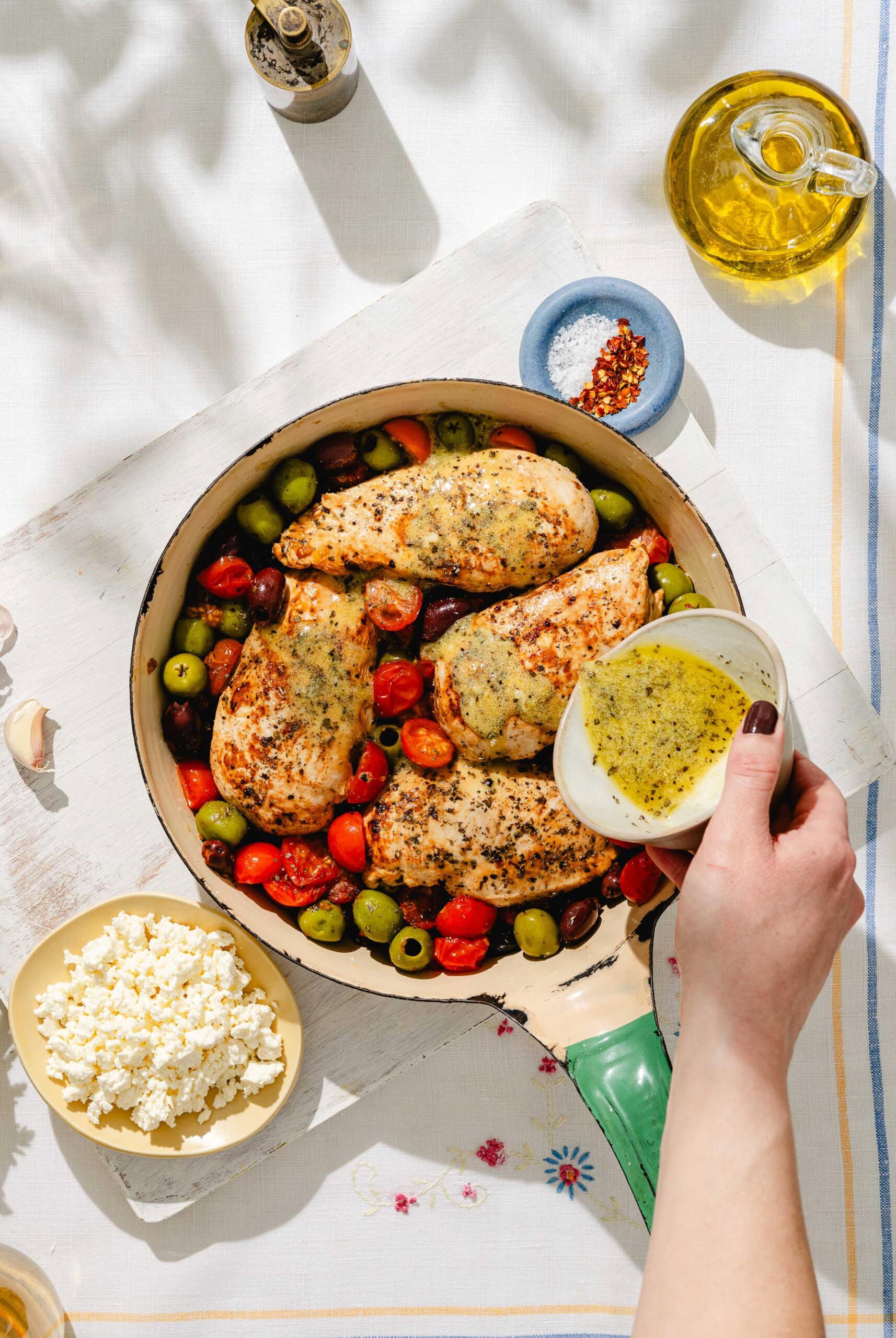
Olive Oil Does Go Bad: Here’s the Quick Answer
Olive oil does go bad, typically within 3–6 months of opening and 12–24 months unopened. The signs are often subtle: a waxy smell, flat flavor, loss of bitterness and pepperiness, or a greasy mouthfeel. Proper storage helps extend freshness, but once olive oil becomes rancid, both its flavor and health benefits are significantly reduced.
Does Olive Oil Actually Expire?
Yes, olive oil expires.
Unlike pantry staples such as honey or vinegar, olive oil has a finite lifespan because it contains natural fats that slowly break down over time. This process is called oxidation. As oxygen interacts with the oil, it gradually destroys beneficial compounds like polyphenols and vitamin E while creating unpleasant flavors and aromas.
Here’s a general guideline for olive oil shelf life:
- Unopened extra virgin olive oil: 12–18 months from harvest
- Unopened virgin or refined olive oil: 18–24 months
- Opened extra virgin olive oil: Best within 1–3 months
- Opened virgin olive oil: Best within 3–6 months
- Opened refined olive oil: Best within 6–12 months
Many people ask, “Does olive oil expire after the best-by date?” Not necessarily. A best-by date is simply a quality estimate from the producer. The harvest date is often a much better indicator because it tells you when the olives were actually pressed.
As olive oil ages, it gradually loses many of the compounds responsible for the well-known health benefits associated with Mediterranean diets. The oil may still be edible, but it won’t offer the same flavor or nutritional value.
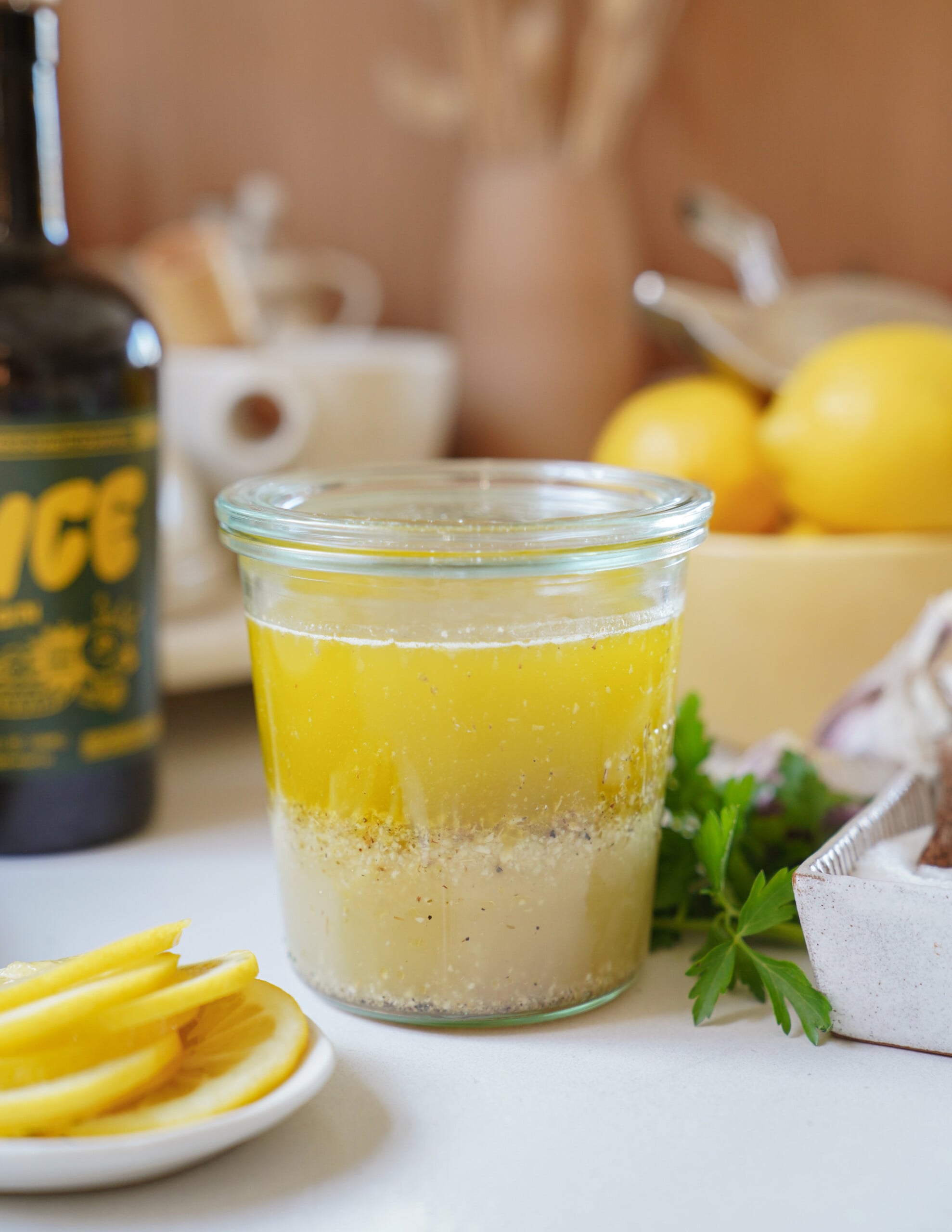
The 7 Signs Your Olive Oil Has Gone Bad
1. It Smells Like Crayons or Putty
This is the easiest and most reliable test.
Fresh olive oil should smell vibrant and alive. Depending on the variety, you might notice aromas of freshly cut grass, green tomato vine, herbs, artichokes, or even green almonds.
Rancid olive oil smells completely different. The most common descriptions are:
- Crayons
- Candle wax
- Elmer’s glue
- Putty
- Stale nuts
To test your oil, pour a tablespoon into a small cup and warm it in your hands for 20–30 seconds before smelling it.
Growing up, I learned this test without even realising it. My yia-yia could tell the quality of olive oil almost instantly from its aroma. If it didn’t smell fresh and green, she wasn’t interested.
2. The Peppery “Throat Catch” Is Gone
This is the sign most people miss.
Fresh extra virgin olive oil often creates a peppery sensation at the back of your throat. In Greece, we call this the “bite,” and it’s considered a mark of quality.
That sensation comes from oleocanthal, a natural compound with anti-inflammatory properties. As olive oil oxidises, oleocanthal breaks down, and the peppery finish fades.
Try the traditional tasting method:
- Take a small sip.
- Let it coat your tongue.
- Draw a little air across the oil.
Fresh oil should feel lively and peppery. Some high-quality oils may even make you cough slightly.
When that throat catch disappears completely, freshness has usually disappeared with it.
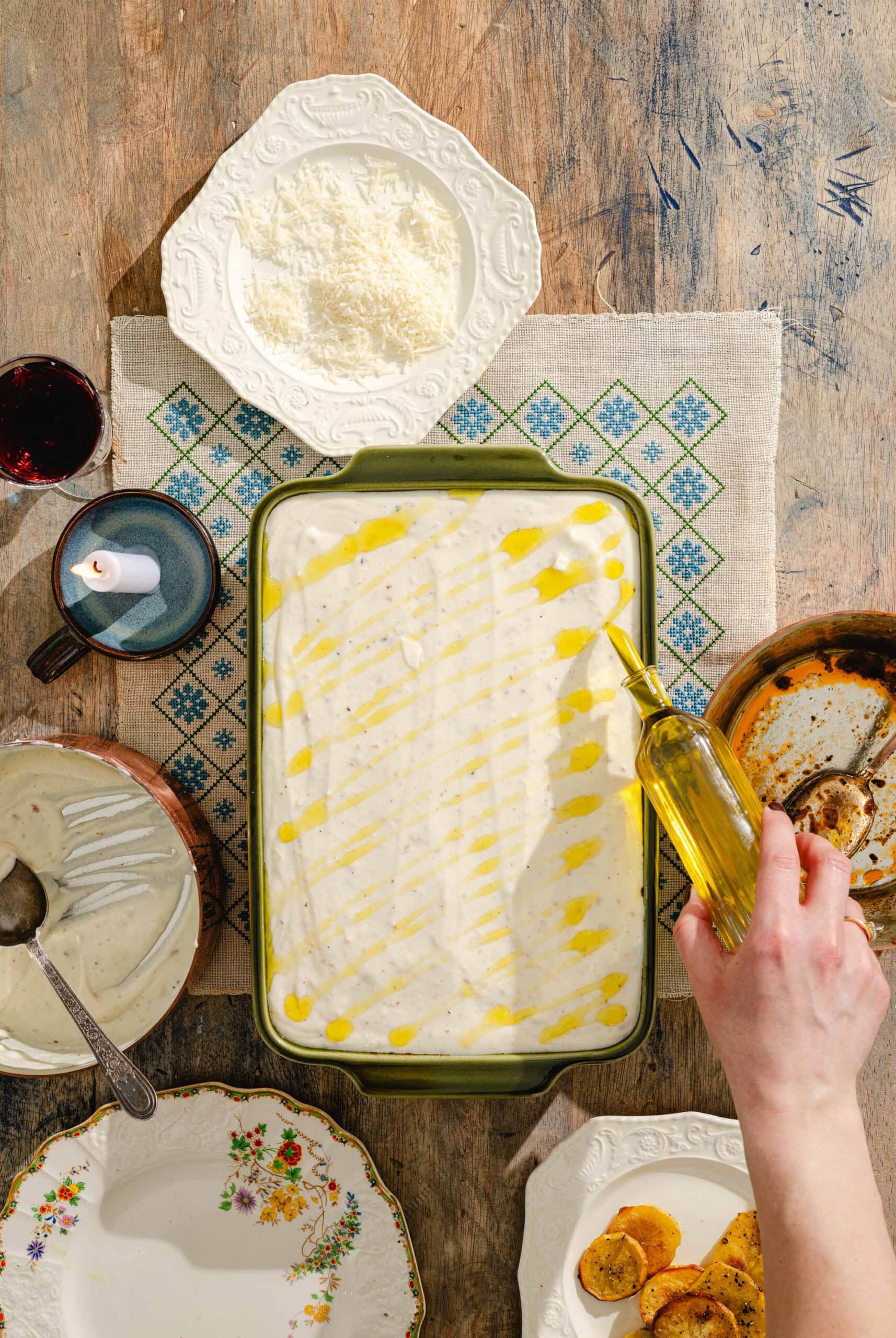
3. It Tastes Flat, Greasy, or Sour
If the smell test doesn’t give you a clear answer, tasting usually will.
Fresh olive oil should taste:
- Fruity
- Bright
- Slightly bitter
- Complex
Bad olive oil tastes:
- Flat
- Greasy
- Oily in a heavy way
- Metallic
- Sour
The vibrant, green flavor disappears and leaves behind a dull coating sensation that lingers on your tongue.
4. The Color Has Changed Dramatically
Color alone isn’t a perfect indicator because olive oil naturally ranges from golden yellow to deep green.
However, dramatic changes can signal oxidation.
Watch for:
- Dull appearance
- Brownish tones
- Loss of vibrancy
- Persistent cloudiness at room temperature
A quick note: if olive oil turns cloudy in the fridge, that’s perfectly normal. The fats naturally solidify when chilled and return to normal once warmed.
5. It Leaves a Sticky Film
Fresh olive oil should feel smooth and clean.
When olive oil becomes rancid, it can leave behind a sticky or waxy residue on your lips, tongue, or even on a spoon.
This is especially noticeable when using olive oil as a finishing drizzle or with bread dipping oil, where the flavor and texture are front and centre.
If the oil feels heavy and leaves a lingering film, it’s worth checking the smell and taste more closely.
6. You Can’t Remember When You Opened It
Sometimes the simplest answer is the right one.
If you honestly can’t remember when you opened the bottle, it’s probably time to evaluate it.
I always recommend writing the opening date directly on the bottle with a marker.
As a general guideline:
- Extra virgin olive oil: check carefully after 3 months
- Virgin olive oil: check after 6 months
- Refined olive oil: check after 12 months
Time alone doesn’t automatically mean it’s rancid, but it’s a strong clue.
7. It’s Been Living Next to Your Stove
Heat is olive oil’s biggest enemy.
A bottle stored beside your stove is exposed to constant temperature fluctuations that dramatically speed up oxidation.
Even relatively fresh oil can degrade faster when stored in a warm location.
My family always kept olive oil in a dark pantry corner, usually in a metal tin or dark glass bottle. Nobody was talking about oxidation or polyphenols, it was simply how olive oil had always been stored. As it turns out, generations of Greek cooks got the science right.
How Long Does Olive Oil Really Last?
Here’s a quick-reference guide:
| Type | Unopened | Opened |
|---|---|---|
| Extra Virgin Olive Oil | 12–18 months from harvest | 1–3 months (best quality) |
| Virgin Olive Oil | 18–24 months | 3–6 months |
| Refined or Light Olive Oil | 18–24 months | 6–12 months |
When evaluating freshness, always prioritise the harvest date over the best-by date.
Early-harvest olive oils tend to contain more polyphenols and stronger flavors. While they may have a shorter peak flavor window, they often provide greater nutritional benefits.
The EVOO I keep in my kitchen is a single-origin Koroneiki olive oil from Messenia with exceptionally high polyphenol levels. That combination helps preserve freshness while delivering the peppery finish I grew up tasting.
If you’re interested in the differences between Greek and Italian olive oil, harvest practices and olive varieties play a huge role in flavor and longevity.
How to Store Olive Oil So It Lasts
If you want to maximise freshness, follow these simple storage rules.
Keep It Cool and Dark
Store olive oil in a pantry or cupboard away from sunlight.
The ideal temperature range is approximately 55–70°F (13–21°C).
Choose Dark Containers
Dark glass bottles and metal tins protect oil from light exposure.
If your olive oil comes in a clear bottle, keep it inside a cabinet whenever possible.
Seal It Tightly
Every time you open the bottle, oxygen enters.
Always replace the cap immediately after use to slow oxidation.
Buy Smaller Bottles
Unless you’re cooking daily, a smaller bottle often makes more sense than a large one.
You’ll finish it while it’s still fresh.
Skip Decorative Cruets
Those beautiful countertop olive oil dispensers look great, but they expose oil to oxygen and light.
If you use one, refill it frequently and only with small amounts.
Avoid Refrigeration
While refrigeration won’t ruin olive oil, it causes cloudiness and can introduce condensation when the bottle repeatedly warms and cools.
A cool pantry is usually the better option.
This is especially important for recipes where olive oil flavor shines, such as garlic confit or homemade dressings.
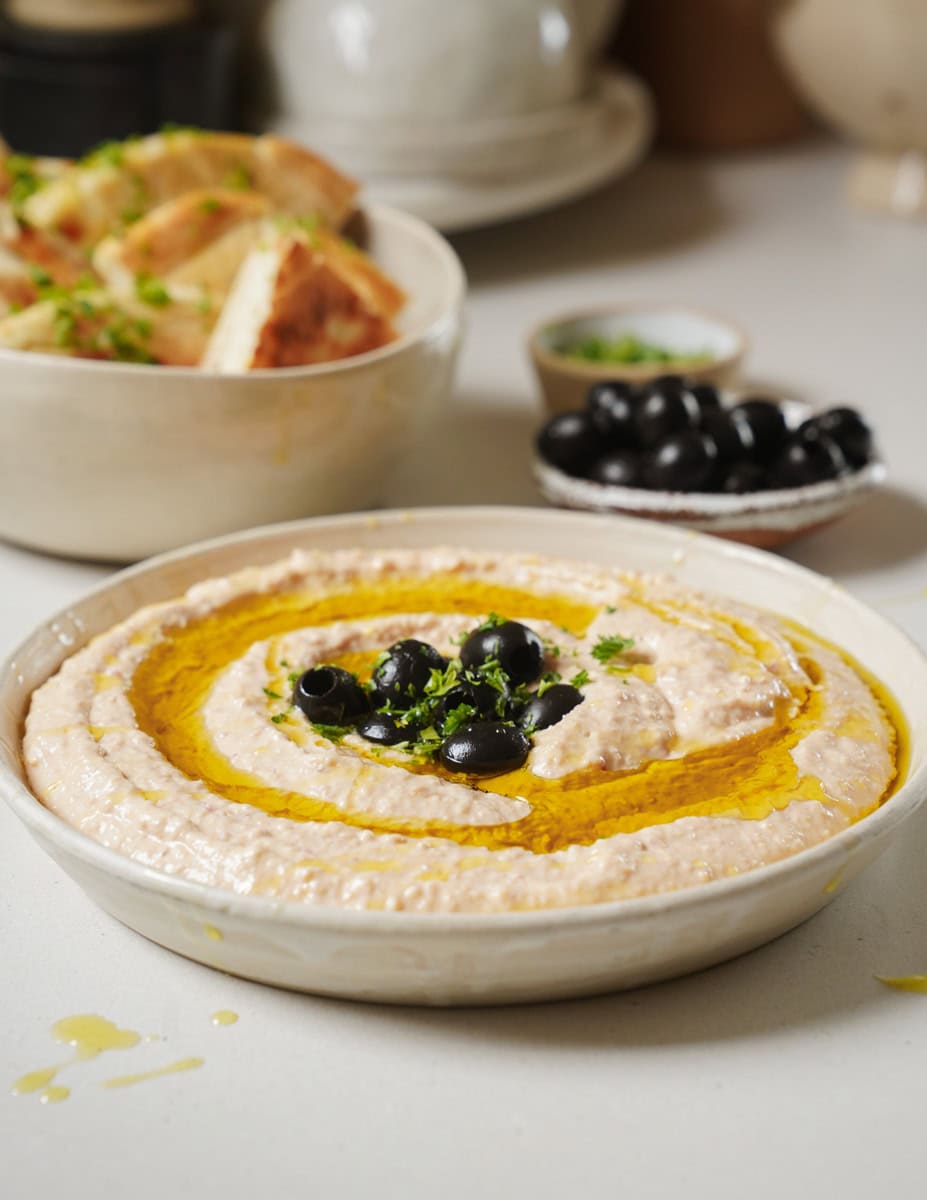
What to Do When Your Olive Oil Is Past Its Prime
Not every bottle falls neatly into the categories of “perfect” or “rancid.”
Slightly Past Peak
If the oil has lost some pepperiness but doesn’t smell off:
- Use it for sautéing
- Use it for roasting
- Use it for frying
Avoid using it in places where olive oil flavor is the star.
Noticeably Flat but Not Terrible
If it smells waxy or tastes dull:
- Condition wooden utensils
- Oil wooden cutting boards
- Lubricate squeaky hinges
- Use it in homemade soap projects
Clearly Rancid
If it smells strongly of crayons, putty, glue, or stale nuts:
- Don’t cook with it
- Don’t use it in dressings
- Don’t pour it down the drain
Instead, chill it, place it in a sealed container, and dispose of it in the garbage.
While small amounts of rancid olive oil aren’t likely to make you sick immediately, the oil has lost much of its nutritional value and will negatively affect the flavor of your food.
Fresh olive oil makes a huge difference in dishes like Greek salad dressing, olive salad, spicy feta dip, or even a simple drizzle over vegetables.
FAQ
The expiration date is a guideline for quality, not safety. Olive oil can still be usable after its best-by date if it smells and tastes fresh. Always perform a smell and taste test before using it. Harvest dates provide a more accurate picture of freshness than best-by dates.
Consuming a small amount of rancid olive oil is unlikely to cause immediate illness. However, the oil loses many of its beneficial antioxidants and develops unpleasant flavors. If it smells or tastes off, it’s best to replace it.
Extra virgin olive oil is best consumed within 1–3 months of opening. Virgin olive oil typically lasts 3–6 months, while refined olive oils can maintain quality for 6–12 months when stored properly.
You can refrigerate olive oil, but it isn’t ideal for everyday storage. Refrigeration causes cloudiness and repeated temperature changes can create condensation. A cool, dark pantry is generally the best place to store it.
A clean, fresh bitterness is actually a sign of quality in extra virgin olive oil. That bitterness comes from naturally occurring polyphenols and antioxidants. The bitterness to worry about is stale, metallic, or sour. If your oil also has a peppery throat catch, it’s usually a sign that it’s still fresh.
1 person is discussing this recipe. Join in
I had no idea that olive oil could go bad so quickly. What’s your best tip for storing it to maximize freshness? Any specific brands you recommend Doodle Baseball?