This post may contain affiliate links. Please read our disclosure policy.
Greek desserts are more than just sweets; they’re memory, ritual, and celebration baked into every bite. This best Greek desserts guide pulls from generations of family tradition in mine, and my family’s kitchen, where syrup still bubbles as it hits warm phyllo and trays of cookies disappear before they’ve fully cooled. These are real Greek dessert recipes passed down, tested, and made for sharing (or keep them for yourself, I don’t judge), from everyday comforts to show-stopping holiday trays.
Why You’ll Love This Guide
- Tested and true: I didn’t learn these desserts from a cookbook or a café window in Athens; I grew up making them beside my yia-yia and mom, watching hands move instinctively through dough, syrup, and spice.
- Approachable recipes: Unlike typical roundups, this guide actually includes recipes you can make tonight, not just descriptions. It’s organized the way Greeks actually think about sweets: by tradition, season, and occasion.
- A story behind every dish: You’ll also get cultural context you won’t find elsewhere, from regional origins to why certain desserts only appear once a year.
Syrup-Soaked Pastries (Siropiasta)
Siropiasta (σιροπιαστά) are the backbone of many traditional Greek desserts. This category is defined by one essential relationship: hot meets cold. If the pastry is hot, the syrup must be cold. If the syrup is hot, the pastry must be cool. That contrast is what creates the signature crisp-then-melt texture instead of sogginess.

Maria Koutsogiannia
Maria is the creator of FoodByMaria and your go-to Greek food expert for cozy, flavor-packed recipes. Inspired by her Mediterranean roots, she brings traditional Greek flavors, feel-good ingredients, and a whole lot of joy to everyday cooking.
These desserts are at the heart of Greek celebrations like weddings, holidays or Sunday dinners.
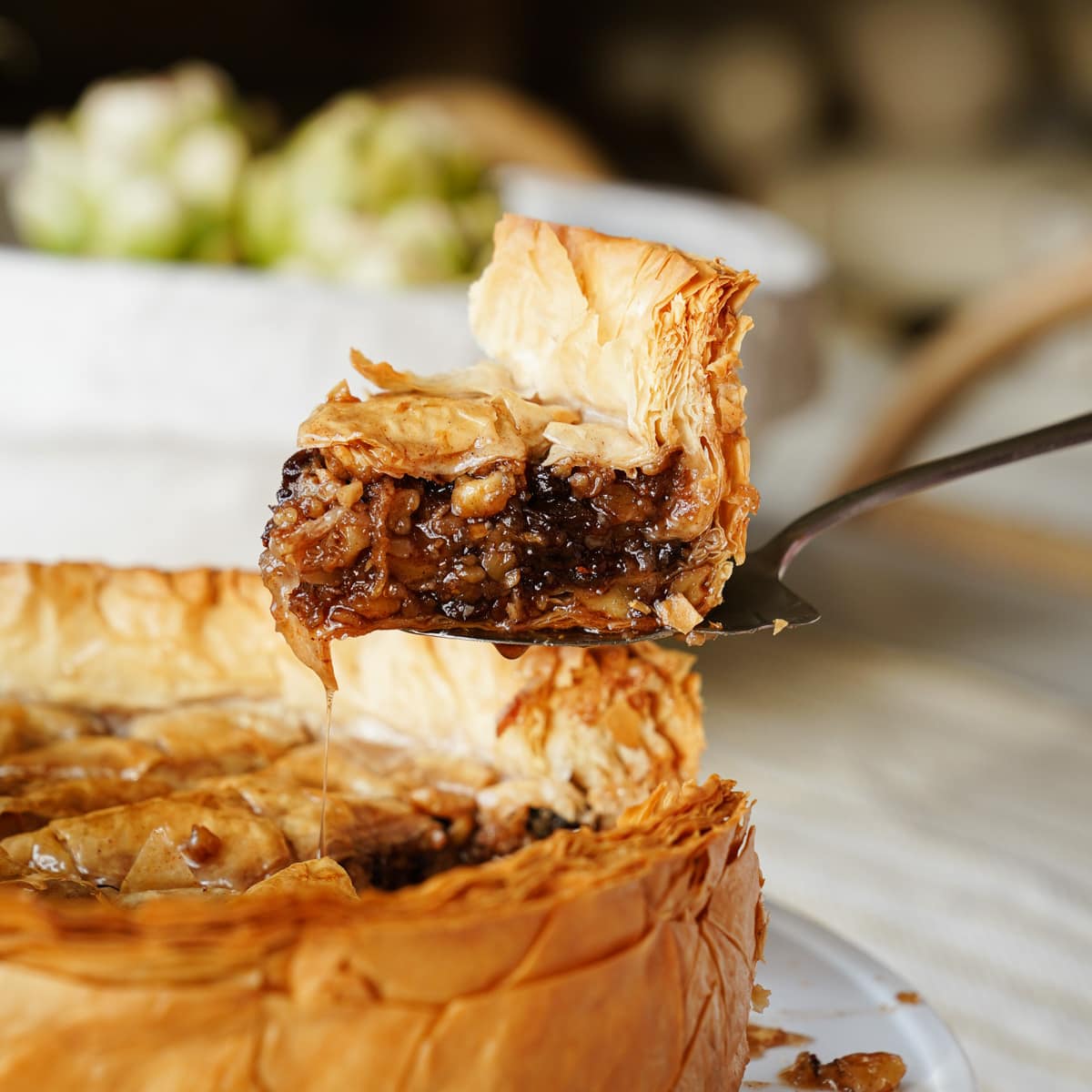
Baklava
Dozens of butter-brushed phyllo layers filled with walnuts, pistachios, or almonds, spiced with cinnamon and cloves, then drenched in honey-kissed syrup. It’s the dessert most people recognize first, but in Greece, it’s simply one of many siropiast, not necessarily the crown jewel. Every family has their own version with secret ingredients and twists.
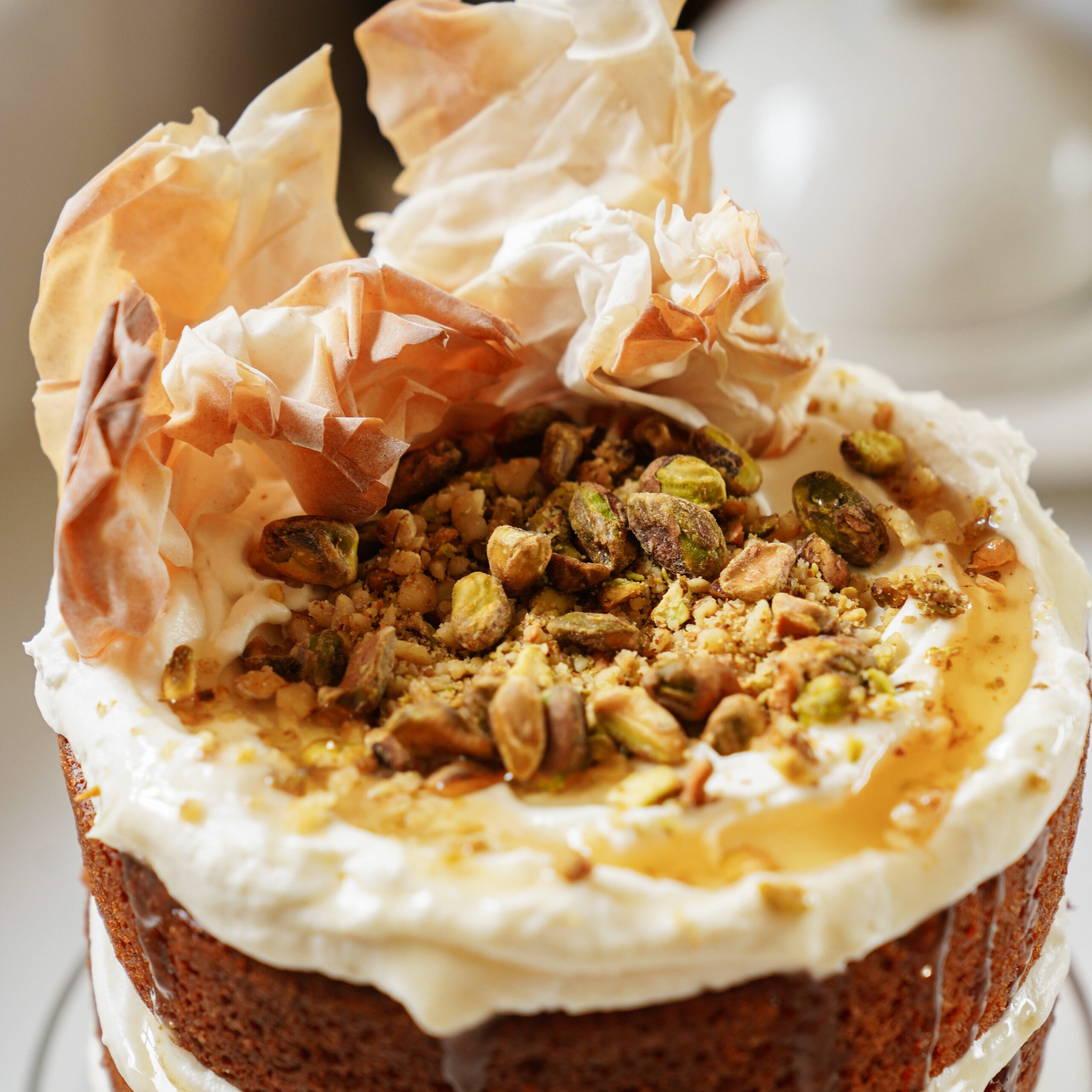
Try the full baklava recipe, and for a modern twist, my baklava cake is a show-stopping variation.
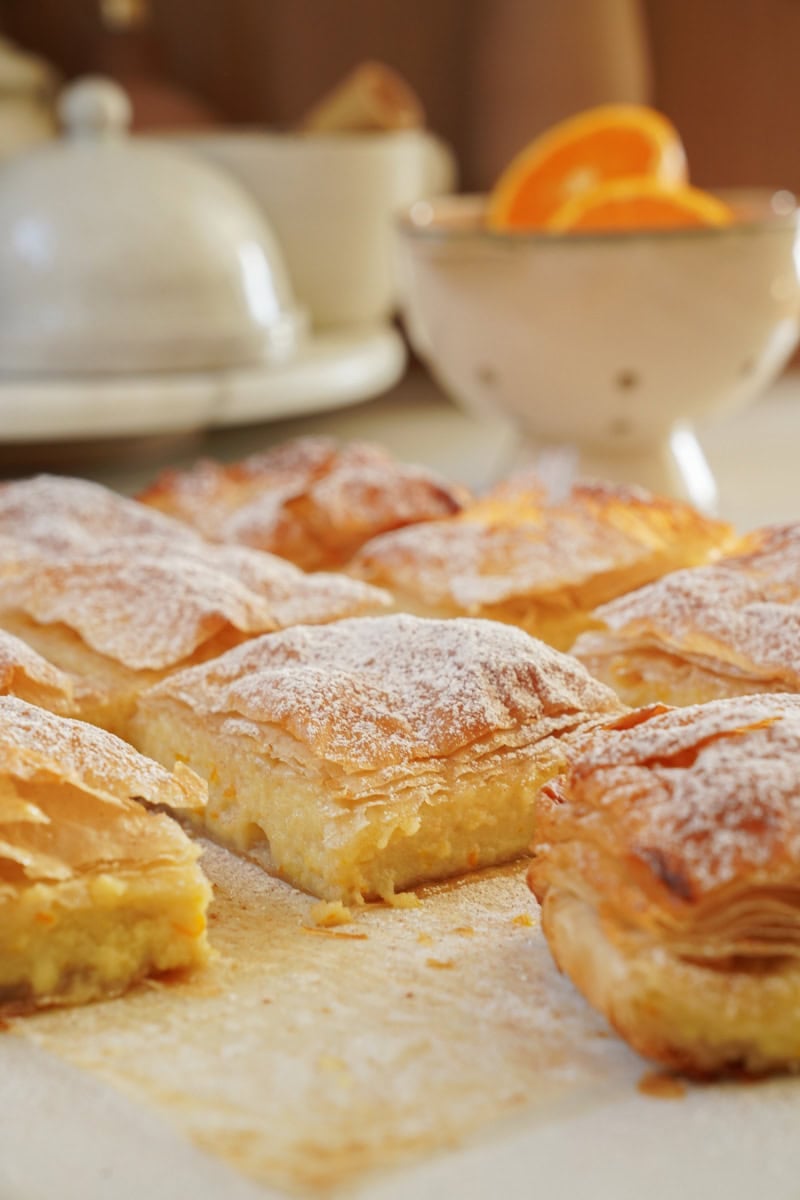
Portokalopita
A Cretan-inspired cake made by tearing phyllo into a custard-like batter that bakes into something almost magical. Soaked in bright orange syrup, it’s one of the most inventive uses of phyllo in Greek baking and endlessly satisfying to make.
Revani
A soft semolina cake soaked in citrus syrup, often cut into diamond shapes and topped with almonds. Simple ingredients, incredible texture. In Greece, this is one of the most popular Greek desserts and is also one of the most famous Greek desserts across the wider Mediterranean.
Phyllo and Custard Desserts
Phyllo (φύλλο) is the foundation of many beloved Greek pastries. It’s paper-thin, flaky, and versatile — used for both savoury pies and desserts. While homemade phyllo is an art form passed through generations, store-bought works beautifully for most home kitchens.
Bougatsa
Crispy phyllo wrapped around warm semolina custard, dusted with powdered sugar and cinnamon. Originally a breakfast staple in Thessaloniki, bougatsa is best enjoyed warm with strong Greek coffee. It’s lighter than most syrupy desserts, relying on contrast instead of sweetness.
Flogeres
Thin phyllo rolled into elegant “flutes” filled with almond cream and baked until crisp. Light, delicate, and perfect for coffee spreads or dessert platters.
Holiday and Celebration Sweets
Greek sweets are deeply tied to the calendar. Certain desserts only appear at specific times of year, and serving them is part of the ritual. This seasonal rhythm is what makes them feel so meaningful.
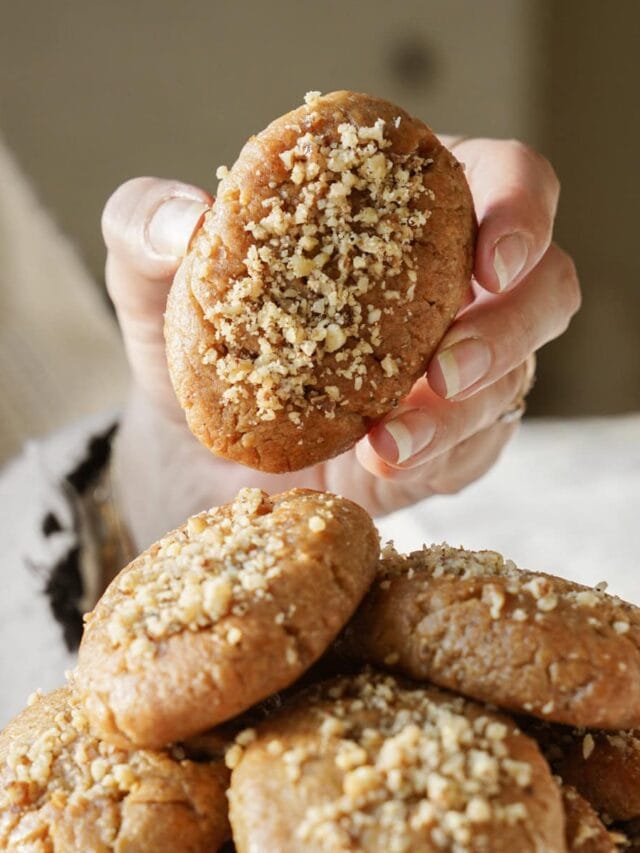
Melomakarona
Spiced olive oil cookies soaked in warm honey syrup and topped with walnuts. The flavour of Greek Christmas. The kitchen smells like orange, cinnamon, and clove for weeks in December.
Vasilopita
A New Year’s cake with a hidden coin inside… whoever finds it gets good luck for the year. Some versions are fluffy and cake-like, others are enriched bread styles.
Loukoumades
Golden fried dough puffs drizzled with honey and cinnamon. One of the oldest recorded desserts in the world dates back to ancient Greece. Once served to Olympic champions, now found at festivals and family gatherings.
Everyday Comfort Desserts
These are the desserts that don’t wait for holidays; they show up after dinner, beside coffee, or whenever something sweet is needed. Think of them as kitchen staples.
Milopita
A rustic apple cake filled with cinnamon and grated apples. Simple, forgiving, and naturally moist for days. One of the most approachable, easy Greek dessert recipes you’ll ever make.
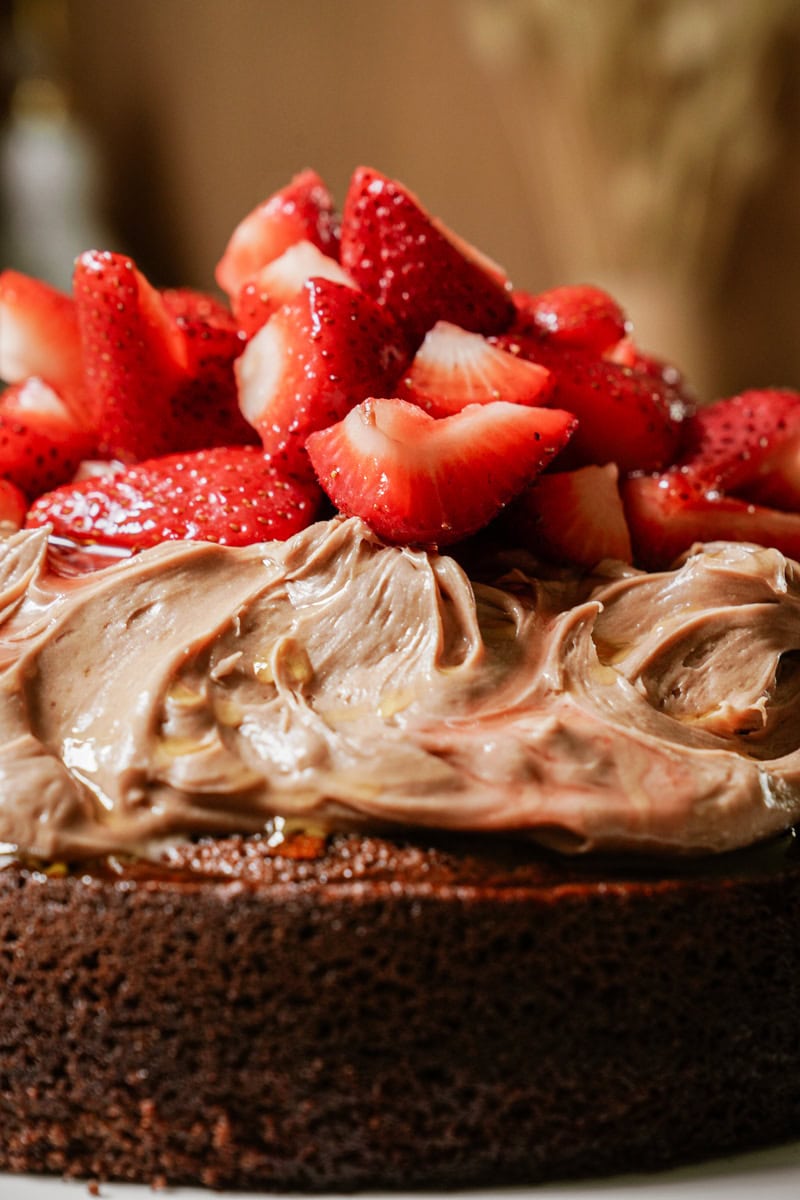
Chocolate Olive Oil Cake
A deeply rich, fudgy cake made with extra-virgin olive oil instead of butter. It stays moist for days and feels both modern and deeply rooted in Greek cooking tradition. One of the best examples of easy Greek dessert recipes that still feels special.
Quick and No-Bake Greek Sweets
Not every dessert needs an oven or hours of layering. Some of the best treats are simple, fast, and pantry-friendly. Perfect when you need Greek dessert recipes, easy, without the fuss.
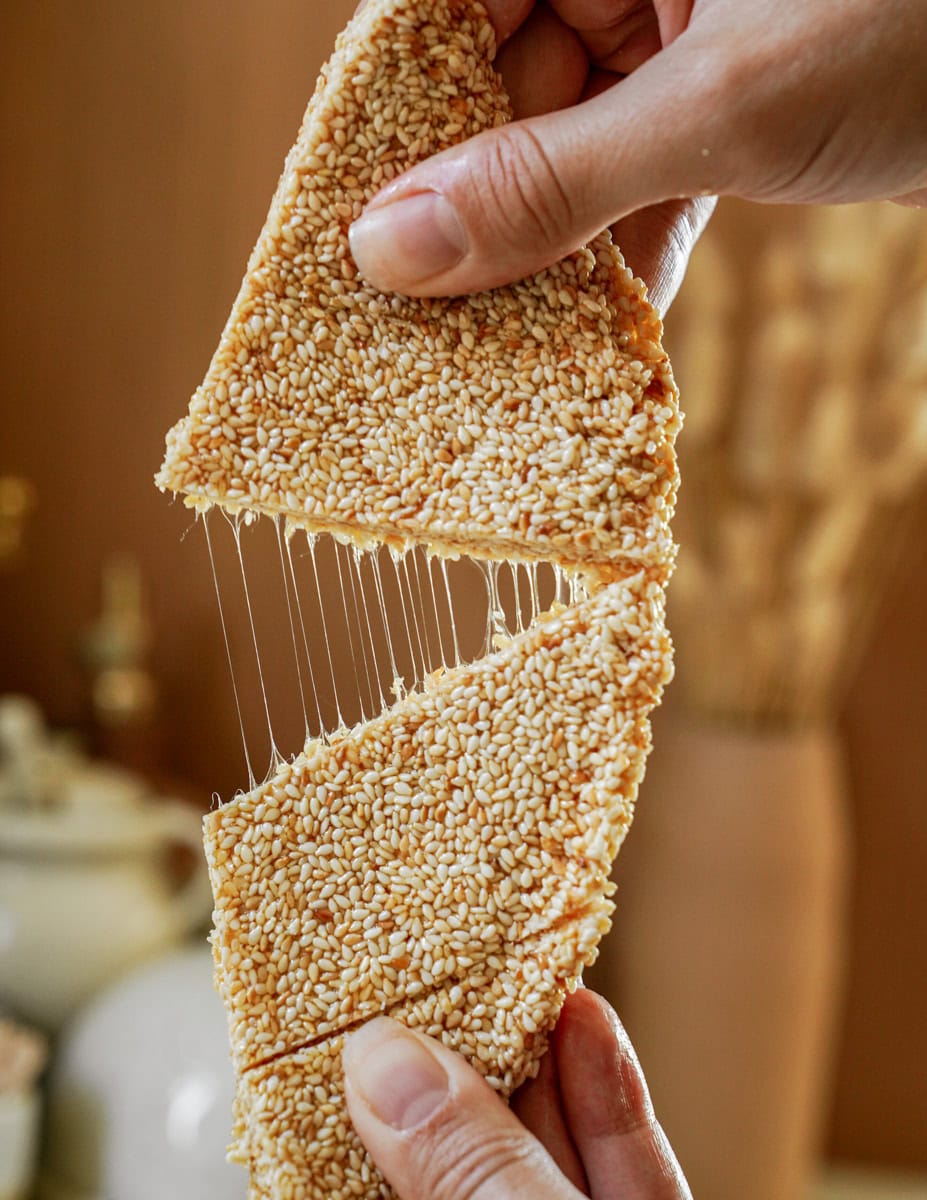
Pasteli
Crunchy sesame and honey bars that date back to antiquity. Just a few ingredients pressed into a chewy-crisp snack that’s still sold in kiosks across Greece today.
Greek Frozen Yogurt
Thick strained Greek yogurt mixed with honey and fruit, then frozen for a tangy, refreshing dessert. Much less sweet than commercial versions and incredibly easy to make at home.
TIP!! For another frozen treat, my pistachio ice cream is worth a try.
How to Build a Greek Dessert Table
The best Greek desserts aren’t just about what you make; it’s about how you serve them together.
For Christmas, a table of melomakarona, baklava, and nuts creates a warm, spiced spread that feels instantly festive.
On New Year’s, vasilopita takes centre stage, with loukoumades adding something playful and warm alongside it.
For Easter, traditional sweets pair beautifully with seasonal breads and roasted dishes. You can explore more ideas on the traditional Greek food page, especially in the “Traditional Greek Desserts and Sweets” section.
In summer, lighter options like portokalopita, pasteli, and frozen yogurt balance perfectly with fresh fruit and outdoor meals. For everyday moments, milopita, bougatsa, and flogeres bring café-style comfort right into the kitchen.
For entertaining a crowd, go with siropiasta like baklava, portokalopita, and revani as they actually taste better the next day after soaking in syrup.
FAQs
Baklava is the most internationally recognized, but its popularity changes by season. Melomakarona dominate Christmas, loukoumades appear at festivals, and milopita is a year-round home favourite.
After heavier meals, lighter options like fruit or frozen yogurt work well. After meze-style dining, baklava or portokalopita are perfect.
Siropiasta are syrup-soaked desserts like baklava and revani. They rely on the temperature contrast between the syrup and pastry to create their signature texture.
Many are surprisingly simple. Pasteli needs only a few ingredients, and milopita comes together in one bowl.
Melomakarona are essential, with baklava and nuts also common. Vasilopita follows on New Year’s Day.
Start with pasteli or milopita; both are simple, forgiving, and beginner-friendly.
Be the first to discuss this recipe.